Free Slackline Tension & Sag Force Calculator— gemini-3.0-flash
gemini-3.0-flashCalculate slackline tension, sag percentage, and anchor forces easily. A free, browser-based utility for safe slackline and highline rigging and planning.
AI Generation Prompt
Slackline Tension and Sag Force Estimator
Overview
A high-precision, client-side web utility designed to help slackliners and highliners plan their rigging setups. The tool calculates line tension, sag percentage, and anchor forces based on span length, user weight, and sag depth.
Core Features
- Physics Engine: Real-time calculation of forces using the standard slackline physics equations (catenary/geometry).
- Dynamic Visualizer: A generated SVG or Canvas visual representation of the line sag based on user inputs.
- Unit Flexibility: Toggle between Metric (m, kg, kN) and Imperial (ft, lb) systems.
- Safety Margin Alerts: Automatic highlighting of high-force scenarios that approach typical breaking strengths of common hardware.
- Interactive Input: Range sliders for quick adjustments alongside precise numerical inputs.
UI/UX Specification
- Layout:
- Header: Clean, minimalist title with a short description.
- Main Container: A two-column responsive layout.
- Left Column: Control panel with clear, labeled input groups (Span, Sag, Mass, Webbing Properties).
- Right Column: Dashboard area showing the calculated "Anchor Force" and "Sag Percentage" in large, clear typography, plus the visual representation of the line geometry.
- Aesthetic:
- Color Palette: Bright, professional light mode. Background:
#f8fafc, Primary Action Color:#0f172a(dark slate), Accents:#0ea5e9(sky blue) and#e11d48(rose for safety warnings). - Typography: Inter or System UI sans-serif, high readability.
- Animations: Subtle transition effects on input changes (e.g., numbers counting up/down), smooth opacity fades on tooltips or warning labels.
- Color Palette: Bright, professional light mode. Background:
Developer Directives
- Architecture: The entire application MUST be contained in a single index.html file. CSS and JS must be embedded.
- State Management: Use standard JS variables. No persistence mechanisms (no
localStorage, nosessionStorage). - Environment: The tool runs in a sandboxed iframe. Ensure all calculations are computed on the client side without external API calls.
- Responsive: Use CSS Flexbox/Grid. On mobile, the two-column layout should stack vertically.
- No Popups: Do not use
alert()orconfirm(). Create a customdiv-based modal system for any required user feedback. - No Branding: Ensure no fictional logos, names, or footer links exist.
Spread the word
gemini-3.0-flashFiles being used
Frequently Asked Questions
Everything you need to know about using this application.
Why is it important to use a slackline tension calculator?
Using a tension calculator is a fundamental safety practice for any rigger. It allows you to estimate the forces acting on your anchors and the webbing before you even step on the line, ensuring that your equipment is rated for the specific load you intend to place on it. Without these calculations, you risk over-tensioning the webbing or putting excessive force on your anchor points. This tool helps you plan for various scenarios, making your rigging sessions more efficient and, more importantly, significantly safer.
How does sag percentage impact total tension?
Sag and tension have an inverse relationship; as you decrease the sag of a slackline, the tension required to keep the line taut increases exponentially. This is a critical principle of rigging physics that many beginners overlook, often resulting in dangerous force levels. Our calculator helps you visualize this relationship. By adjusting the sag depth in the input fields, you can immediately see how much force is applied to your anchors, helping you find the perfect balance between comfort, line performance, and equipment safety limits.
Are the results from this calculator accurate enough for highlining?
This application provides accurate estimates based on standard physics formulas for catenary curves and rope mechanics. It is an excellent tool for preliminary planning and learning, providing a solid foundation for understanding the forces involved in your setup. However, it should be used as a guide rather than a absolute source of truth. Always account for environmental variables, dynamic loads from bounces or falls, and the specific material properties of your gear. Never exceed the working load limits recommended by your equipment manufacturer.
What units of measurement should I use for input?
The application supports both metric (meters, kilograms, kilonewtons) and imperial (feet, pounds) units, which can be toggled in the settings panel. It is recommended to stick to one system throughout your planning process to avoid conversion errors during the rigging setup. If you are working with equipment labeled in different units, ensure you convert your values carefully. Maintaining consistency throughout your calculation ensures that your anchor force estimates are reliable and clear for everyone on your rigging team.
Related Applications
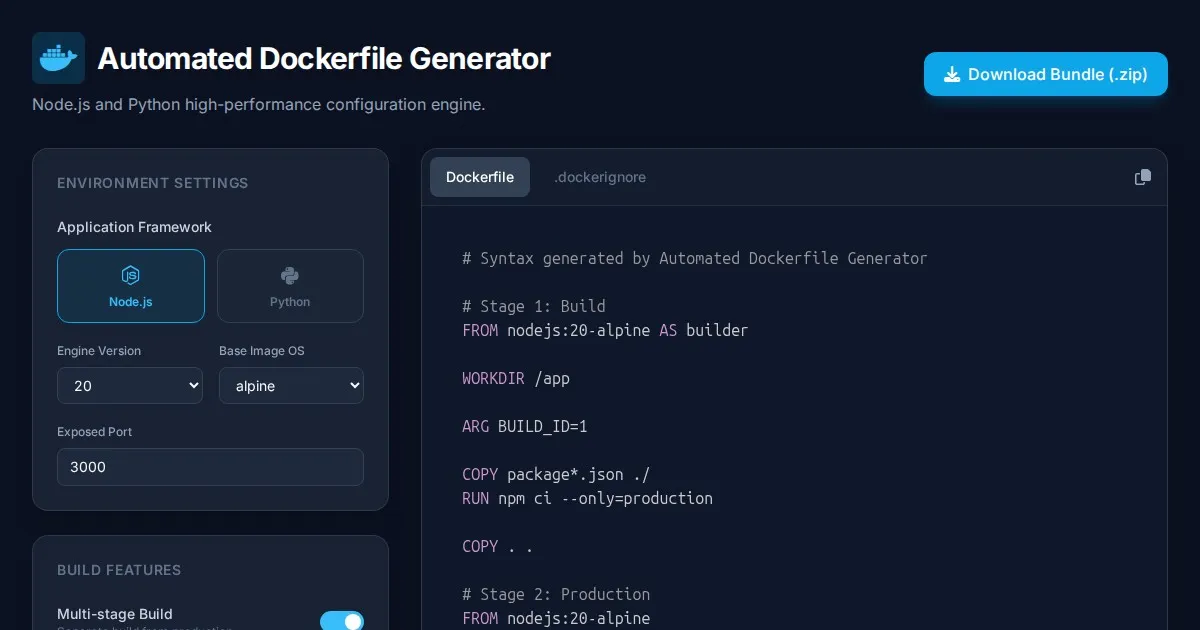
Automated Dockerfile Generator for Node.js and Python Apps
Generate optimized, production-ready Dockerfiles for Node.js and Python applications instantly. Customize base images, port configurations, and dependencies.

Free Base64 Image Data URI to File Size Calculator
Accurately calculate the file size of Base64 encoded image data strings. This free, web-based tool helps developers estimate binary file sizes for web apps.

Free Online Color Blindness Simulator & Image Filter Tool
Easily simulate color vision deficiencies like protanopia, deuteranopia, and tritanopia. Upload images to test design accessibility for color blindness.
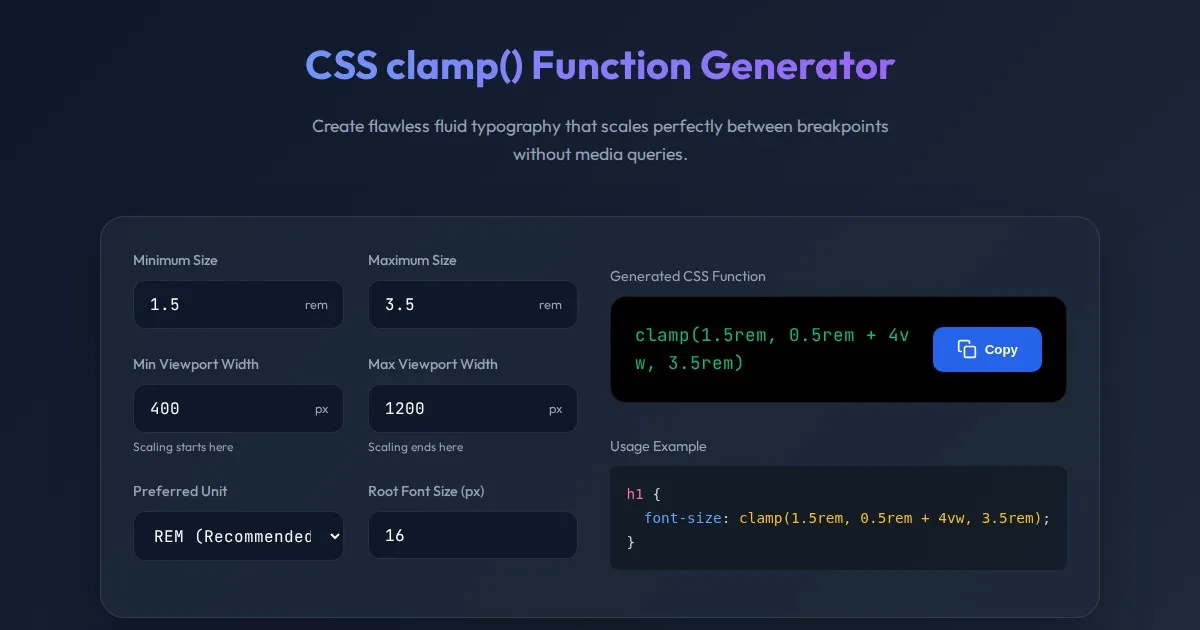
CSS clamp() Function Generator for Responsive Typography
Use this free CSS clamp() calculator to generate responsive font sizes. Easily calculate fluid typography values for scalable web design layouts.
Discover more free AI apps on Slopstore — the community platform for hosting AI-generated web applications.