Free Stepper Motor Step Angle & RPM Frequency Calculator— gemini-3.0-flash
gemini-3.0-flashCalculate stepper motor RPM, frequency in Hz, and steps per revolution easily. A precise, free engineering tool for CNC builders, robotics, and automation projects.
AI Generation Prompt
Stepper Motor Calculation Suite
Overview
A clean, browser-based engineering utility designed for robotics enthusiasts, CNC builders, and automation engineers. This tool eliminates the need for manual math when configuring motor drivers and motion controllers.
Technical Specification
1. Feature Set
- Motor Input Group: Step angle selection (pre-set values: 1.8°, 0.9°, 0.45°, custom input).
- Driver Input Group: Microstepping settings (Full, 1/2, 1/4, 1/8, 1/16, 1/32, 1/64, 1/128).
- Performance Calculator:
- Input: Desired RPM.
- Output: Required Pulse Frequency (Hz).
- Linear Motion Extension:
- Input: Lead Screw Pitch (mm) or Pulley Teeth & Belt Pitch.
- Output: Steps per millimeter (for firmware calibration).
- Reference Sheet: A dynamic side-pane or modal showing the math formulas used.
2. UI Layout
- Header: Simple, clean title with a clear subtitle.
- Main Interface: A two-column grid layout (Desktop) that stacks to a single column (Mobile).
- Left Column (Inputs): Grouped input fields with floating labels.
- Right Column (Results): A highlighted 'Results Card' that updates instantly as inputs change.
- Results Section: Large, typography-focused display for RPM, Hz, and Steps/Rev.
3. Aesthetics & UX
- Palette:
- Primary: Steel Blue (#2563EB)
- Surface: Pure White (#FFFFFF)
- Background: Off-White/Light Gray (#F3F4F6)
- Text: Dark Charcoal (#1F2937)
- Transitions: All inputs use
transition: border 0.2s easeto provide a responsive, premium feel when focused. - Responsiveness: Use CSS Grid/Flexbox to ensure the Results Card remains visible even when inputs are lengthy.
4. Developer Constraints
- Architecture: Single HTML file. CSS embedded in
<style>, JS in<script>. - State Management: Store variables in a single state object (e.g.,
const state = { rpm: 0, microstep: 1 }). Update the UI via a singlerender()function that reads fromstate. - Input Handling: No form submission (prevents page refresh). Use
addEventListener('input', ...)on all fields. - Compatibility: No localStorage/Cookies. All calculations occur in RAM and reset on page refresh.
- Styling: Use standard utility-first CSS approach (e.g., Tailwind CDN) for rapid, consistent styling without build tools.
5. Implementation Directives
- Use
input type="number"for all numeric fields. - Prevent page reloads on Enter key via
event.preventDefault(). - Display calculated values with 2-decimal precision.
- Include a 'Copy to Clipboard' button for the Pulse Frequency result to aid users in pasting settings into their motion control firmware.
Spread the word
gemini-3.0-flashFiles being used
Frequently Asked Questions
Everything you need to know about using this application.
How do I calculate the steps per revolution for a stepper motor?
To calculate the steps per revolution, you must divide 360 degrees by the motor's step angle, then multiply that result by the microstepping ratio. For example, a 1.8-degree motor (200 full steps) running at 1/16 microstepping results in 3,200 steps per revolution. This calculation is essential for calibrating motion controllers, 3D printers, and CNC machines to ensure accuracy in movement distance and speed. Always verify your driver's jumper or software settings match your calculated microstepping value.
What is the relationship between RPM, step angle, and pulse frequency?
The relationship is defined by the number of steps required for one full rotation multiplied by the desired revolutions per minute (RPM), divided by 60 seconds. This calculation gives you the required pulse frequency in Hertz (Hz) that your microcontroller or driver board must output to achieve the target speed. If your frequency is too high, the motor may stall or fail to start. If it is too low, the motor will move slower than intended. Using this calculator helps you find the sweet spot for your specific hardware configuration.
Why is microstepping important for motor performance?
Microstepping splits each full step into smaller increments, allowing for smoother motion, reduced vibration, and quieter operation. While it significantly increases resolution and smoothness, it requires a higher pulse frequency from your controller to maintain the same RPM as full-stepping. It is important to note that increasing microstepping also reduces the effective torque available at the shaft. Therefore, it is a balancing act between achieving the necessary precision and maintaining the holding or running torque required for your specific application load.
Can I use this tool to calculate linear movement (mm/rev)?
Yes, this tool includes a feature to calculate linear motion if you are using lead screws or belt drives. By entering the pitch of your lead screw or the belt pitch and pulley tooth count, you can determine exactly how many pulses are required for every millimeter of travel. This is a critical step for configuring firmware in CNC routers and 3D printers. Ensuring your 'steps per millimeter' or 'steps per inch' value is accurate in your control software ensures that your finished parts have the correct physical dimensions.
Related Applications
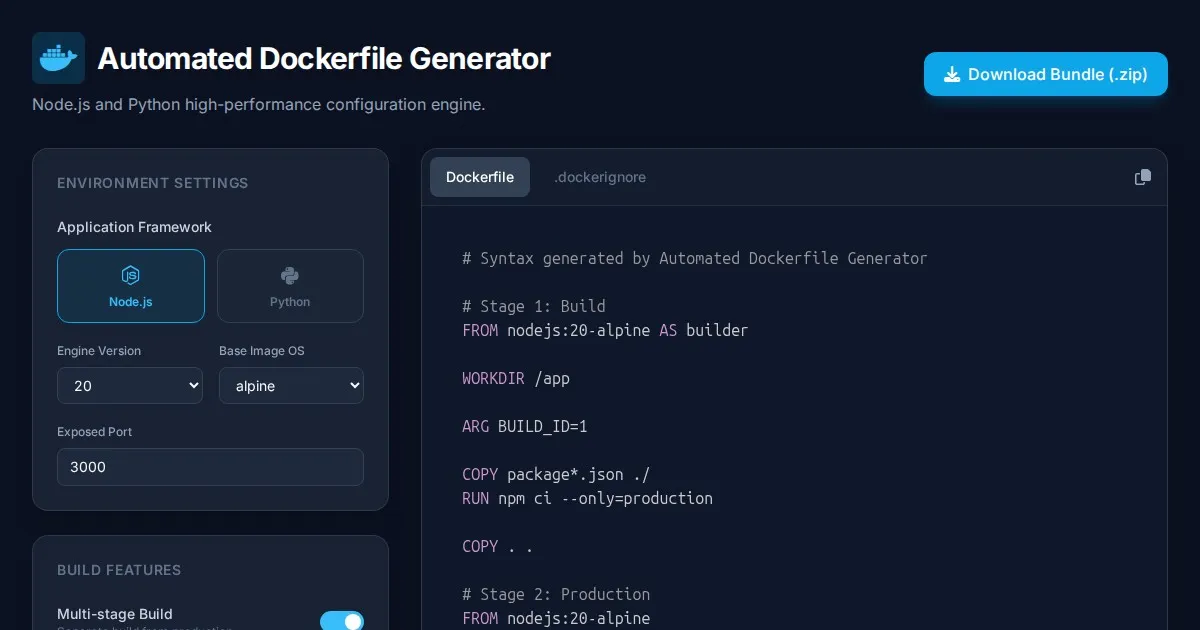
Automated Dockerfile Generator for Node.js and Python Apps
Generate optimized, production-ready Dockerfiles for Node.js and Python applications instantly. Customize base images, port configurations, and dependencies.
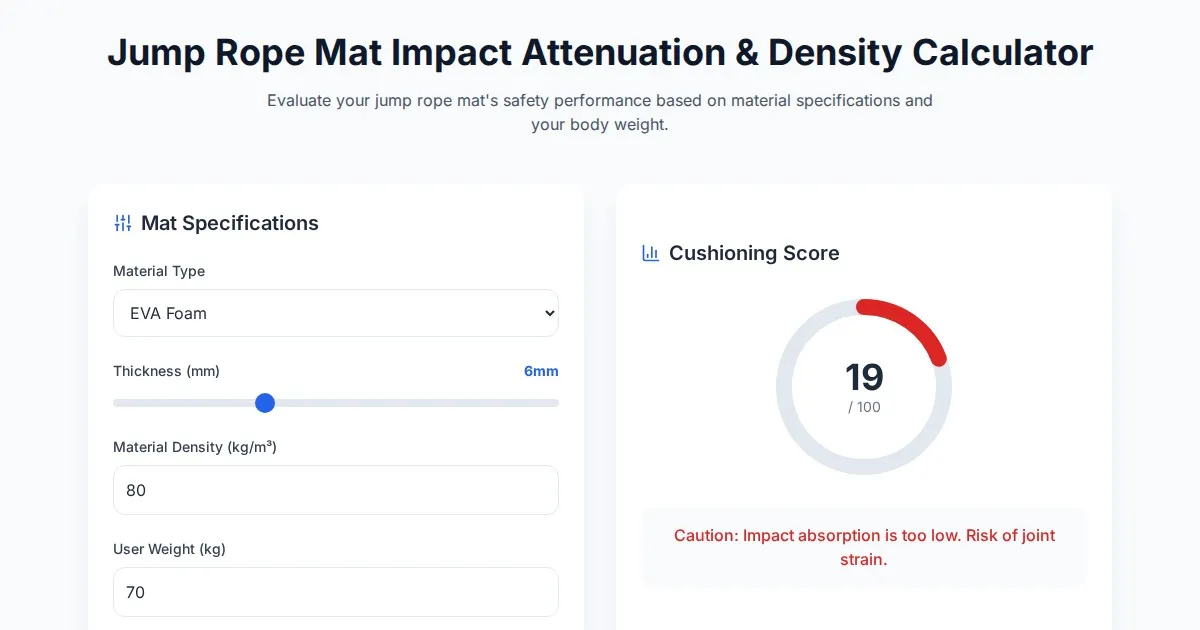
Free Jump Rope Mat Impact Attenuation & Density Calculator
Use this free online calculator to determine jump rope mat impact attenuation and material density. Safely assess if your workout flooring protects your joints.

Free Base64 Image Data URI to File Size Calculator
Accurately calculate the file size of Base64 encoded image data strings. This free, web-based tool helps developers estimate binary file sizes for web apps.

Free Online Color Blindness Simulator & Image Filter Tool
Easily simulate color vision deficiencies like protanopia, deuteranopia, and tritanopia. Upload images to test design accessibility for color blindness.
Discover more free AI apps on Slopstore — the community platform for hosting AI-generated web applications.