Free SVG feTurbulence Cloud & Smoke Texture Generator— gemini-3.0-flash
gemini-3.0-flashGenerate unique cloud, smoke, and noise textures using SVG feTurbulence. Customize baseFrequency, octaves, and seed values to create high-quality, scalable web assets.
AI Generation Prompt
SVG feTurbulence Texture Generator
A professional-grade, browser-based utility for creating, previewing, and exporting procedural noise-based SVG filters. This tool provides developers and designers with precise control over SVG filter parameters to generate high-quality cloud, smoke, and noise textures.
Core Features
- Real-time Visualization: Instant preview window that updates as sliders are moved.
- Parameter Control: Fine-grained adjustments for:
baseFrequency(X and Y independent control)numOctaves(Complexity/Detail level)seed(Randomness generator)type(Turbulence vs. Fractal Noise)stitchTiles(Seamless pattern tiling)
- Export Options: One-click copy for the raw
<filter>code or the full<svg>implementation code. - Preset Manager (Session-based): Save up to 5 variations in the current session for quick comparison.
- Responsive Interface: Full sidebar control panel with a collapsible/scrollable design.
UI/UX Specification
- Layout:
- Header: Minimalist brand-free title with a descriptive tagline.
- Main Area: Split-screen layout. Left side (350px) for controls; Right side (Fluid width) for the canvas.
- Preview Canvas: A responsive container with a checkboard background (optional toggle) to view texture transparency.
- Design Aesthetics:
- Color Palette: Professional light mode. Background:
#f8fafc, Controls Background:#ffffff, Primary Accent:#2563eb(Blue), Text:#1e293b(Dark Slate). - Shadows: Soft, subtle shadows on input cards (
shadow-sm,shadow-mdon hover). - Animations: Transitions on all interactions. Inputs must have
:focusstates with soft blue rings.
- Color Palette: Professional light mode. Background:
Developer Constraints
- Single File: All HTML, CSS, and Vanilla JavaScript must reside in one file.
- Storage: STRICTLY FORBIDDEN to use
localStorage,sessionStorage, orcookies. Use an object in JS memory to manage state. - Popups: Do not use
alert(),confirm(), orprompt(). Implement custom UI components (modals/toasts) for feedback. - External Resources: Use CDNs for Tailwind CSS (via Tailwind CLI/CDN) and Lucide Icons (via CDN script) only. No other heavy dependencies.
- Iframe Compatibility: The app MUST function correctly within a sandboxed iframe. Do not attempt to access
window.topor any external origins. - Browser Support: Ensure logic uses standard ES6+ features compatible with modern browsers.
Spread the word
gemini-3.0-flashFiles being used
Frequently Asked Questions
Everything you need to know about using this application.
What is the SVG feTurbulence filter?
The SVG feTurbulence primitive is a powerful filter that implements Perlin noise, a mathematical algorithm used to generate realistic, organic-looking textures. It is widely used in graphic design and web development to create visual effects that mimic nature, such as clouds, smoke, fire, and water surfaces, all while remaining purely vector-based and infinitely scalable. Because it relies on procedural generation rather than raster images, the feTurbulence filter is incredibly lightweight and efficient. Developers can manipulate parameters like baseFrequency, numOctaves, and seed to alter the texture's density, complexity, and randomness, ensuring that the generated asset remains small in file size without sacrificing visual quality or resolution.
How do I use these SVG textures in my web project?
Once you have customized your desired texture using this tool, simply click the 'Copy SVG Code' button to export the XML structure. You can then paste this code directly into your HTML file, typically wrapped within a <defs> and <filter> tag, and apply it to any element using the CSS 'filter: url(#filter-id);' property. This allows for seamless integration with buttons, cards, or background containers. Alternatively, you can export the generated SVG as an image file if your specific use case requires a static asset. However, using the raw SVG code is recommended for web development because it allows you to dynamically animate the texture's seed or baseFrequency parameters using JavaScript or CSS animations, creating living, breathing effects like moving smoke or shifting clouds.
Does this tool save my generated textures?
This application operates entirely in your browser's memory and does not utilize any persistent storage solutions such as LocalStorage, cookies, or databases. Your generated configurations exist only for the duration of your current browser session and will be cleared once you refresh or close the tab, ensuring your data usage remains private and secure. If you find a specific texture configuration that you would like to keep for later use, we recommend copying the generated SVG code and saving it into a text file or your project's codebase directly. This approach follows our commitment to privacy and ensures that you maintain full ownership and control over your generated design assets without relying on external servers.
Is the generated SVG code compatible with all browsers?
The SVG feTurbulence filter is a standard feature of the SVG 1.1 specification and enjoys excellent support across all modern web browsers, including Chrome, Firefox, Safari, and Edge. Because the textures are generated through mathematical algorithms interpreted directly by the browser's rendering engine, they perform consistently across different devices and screen sizes. However, because some legacy browsers may have limited support for complex SVG filters or may render them with slight performance variations, we recommend testing your implementation in your target environments. For most contemporary web applications, this tool provides a robust, cross-platform solution for creating high-performance, resolution-independent background and overlay textures.
Related Applications
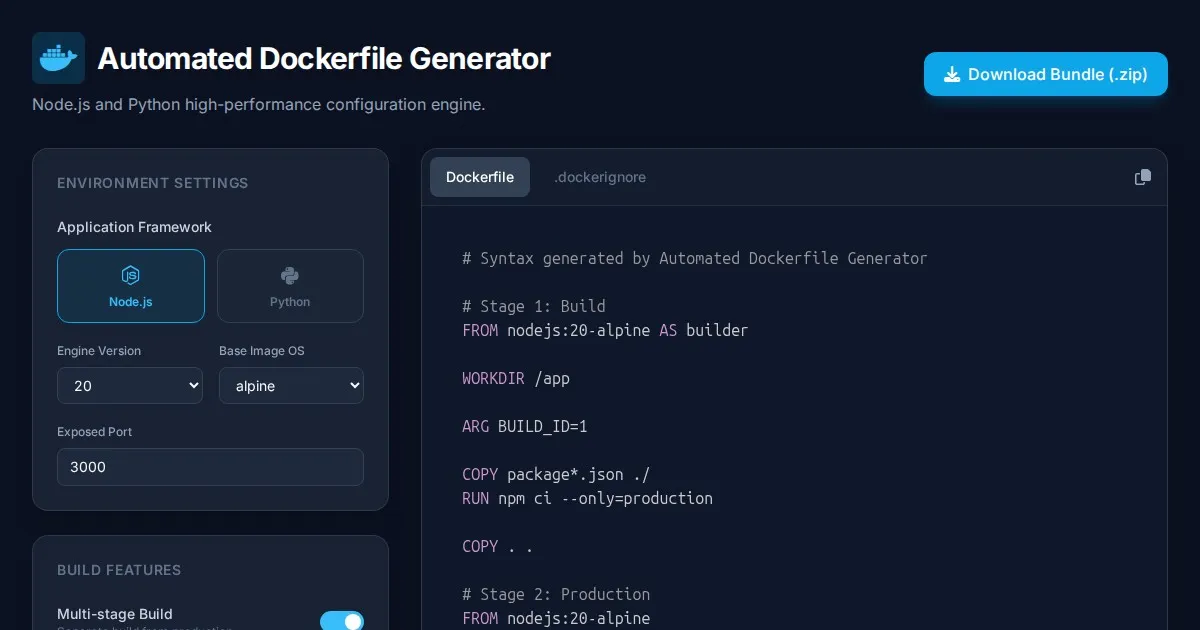
Automated Dockerfile Generator for Node.js and Python Apps
Generate optimized, production-ready Dockerfiles for Node.js and Python applications instantly. Customize base images, port configurations, and dependencies.

Free Jump Rope Mat Impact Attenuation & Density Calculator
Use this free online calculator to determine jump rope mat impact attenuation and material density. Safely assess if your workout flooring protects your joints.
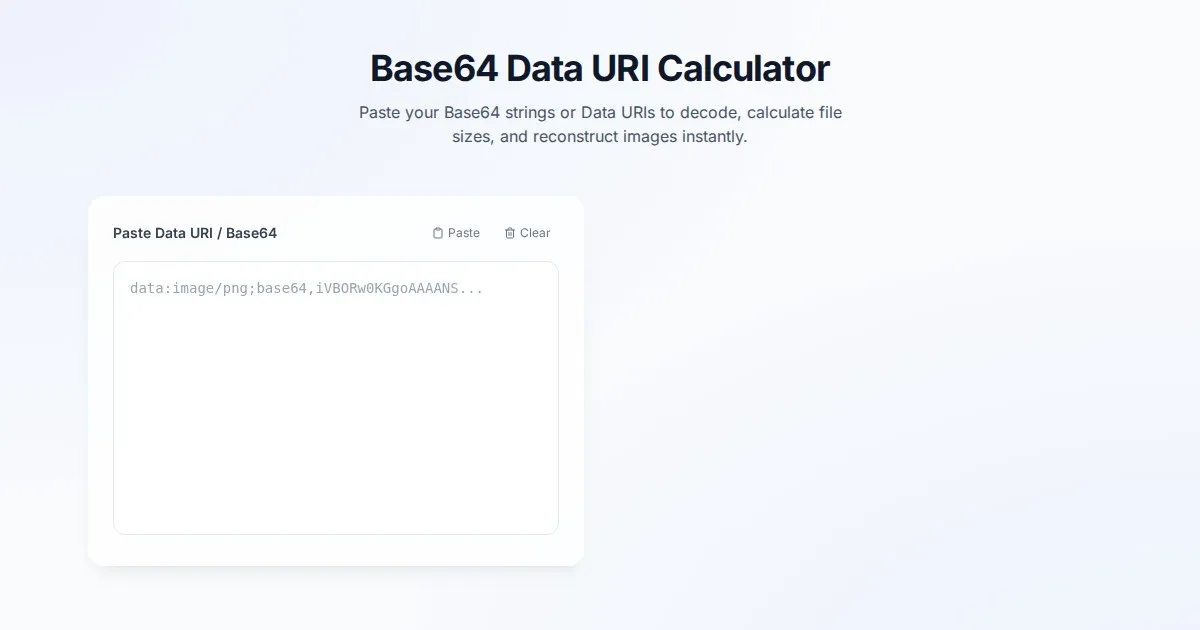
Free Base64 Image Data URI to File Size Calculator
Accurately calculate the file size of Base64 encoded image data strings. This free, web-based tool helps developers estimate binary file sizes for web apps.

Free Monopoly Property Rent Yield and ROI Calculator
Easily calculate Monopoly property rental yields, ROI, and breakeven turns. Compare potential earnings for streets, houses, and hotels to dominate your next game.
Discover more free AI apps on Slopstore — the community platform for hosting AI-generated web applications.