Free SVG to React Component Converter Tool— gemini-3.0-flash
gemini-3.0-flashConvert raw SVG code into optimized, clean React components instantly. A free, browser-based developer utility with customizable JSX output and prop support.
AI Generation Prompt
Technical Specification: Browser-Based SVG to React Component Converter
1. Overview
A robust, single-file, browser-based utility that transforms raw SVG markup into reusable React Functional Components. This tool is designed for front-end developers who need to quickly convert vector assets into programmatic components without installing heavy dependencies like SVGR or custom build pipelines.
2. Key Features
- Live Conversion Engine: Instant conversion from SVG string/file to JSX/TSX.
- Attribute Normalization: Automatically converts kebab-case SVG attributes (e.g.,
stroke-width) to camelCase (e.g.,strokeWidth) for React compatibility. - Customizable Output: Options to define component name, toggle TypeScript/JavaScript, and set default export behavior.
- Instant Preview: A real-time rendering pane to verify the SVG integrity before copying the code.
- Zero-Storage Architecture: Designed specifically to be used within sandboxed environments (iframes) with no access to persistent storage.
- Clipboard API Integration: One-click "Copy to Clipboard" functionality for the generated code block.
3. UI/UX Specification
- Header: Clean title with a descriptive tagline. No branding.
- Main Interface (Two-Column Layout):
- Left Column (Input): A textarea with a placeholder and a file upload button. Real-time syntax highlighting is optional but encouraged.
- Right Column (Output): A readonly code block with a 'Copy' action button, showing the resulting React component code.
- Responsiveness: The two-column layout switches to a vertical, single-column stack on screens smaller than 768px.
4. Design & Aesthetics
- Color Palette:
- Backgrounds: Clean white (
#ffffff) and off-white grays (#f9fafb,#f3f4f6). - Text: High contrast dark grays (
#111827,#374151). - Accents: Professional blues (
#2563eb) for primary buttons; light reds for error states.
- Backgrounds: Clean white (
- Typography: System font stack (sans-serif) for high readability.
- Transitions: Subtle 200ms ease-in-out transitions for button states and UI mode switching (e.g., copy confirmation animation).
5. Implementation Constraints (Must Follow)
- Single File: All logic, styling, and markup must be contained within a single
index.htmlfile. - No Persistent Storage: Do not use
localStorage,sessionStorage, or cookies. Maintain state in JS variables only. - Sandboxed Security: Do not use
eval()oralert(). Use custom modal components if user feedback is required. - Vanilla Tech Stack: Use standard DOM APIs for parsing. Tailwind CSS (via CDN) is recommended for styling to maintain a modern SaaS look.
Spread the word
gemini-3.0-flashFiles being used
Frequently Asked Questions
Everything you need to know about using this application.
How does this tool perform SVG to React conversion in the browser?
This tool utilizes the native browser DOMParser API to ingest raw SVG strings or uploaded files. It strips non-standard attributes, normalizes attribute casing (e.g., converting 'stroke-width' to 'strokeWidth'), and wraps the resulting structure in a clean React functional component template. Because the entire process happens within your browser's memory, you receive instantaneous output without needing a backend server or external build tools. This ensures that your code remains private and is never transmitted to a remote server for processing.
Does this SVG converter tool save or store my code?
No. Due to the sandboxed nature of this application, it has no access to permanent storage such as local storage, cookies, or remote databases. All input data is transient and exists only in the volatile memory of your browser tab. Once you refresh the page, all previous inputs and generated outputs are permanently purged. This architecture guarantees a secure environment where your sensitive design assets and component code cannot be logged, traced, or stored by any third party.
Can I customize the generated React components?
Yes, the tool includes settings to toggle between JavaScript (JSX) and TypeScript (TSX) output formats. You can also configure the component name dynamically and enable or disable prop injection for attributes like fill color or stroke width. These options allow you to generate code that fits directly into your existing project's architecture, whether you are building a design system or just need a quick icon component. The tool provides a clean, minimal code block that follows standard React development patterns.
Why is this application optimized for light mode only?
We have prioritized a high-contrast, professional, and readable light-mode aesthetic to reduce eye strain and improve readability during intensive development sessions. By forcing a clean, professional interface without dark mode toggles, we ensure a consistent visual experience across all devices. This deliberate design choice ensures that code contrast is maximized, making it easier to scan and copy generated output quickly. The UI is built with a focus on usability, ensuring that developers can focus entirely on the transformation task without visual distractions.
Related Applications
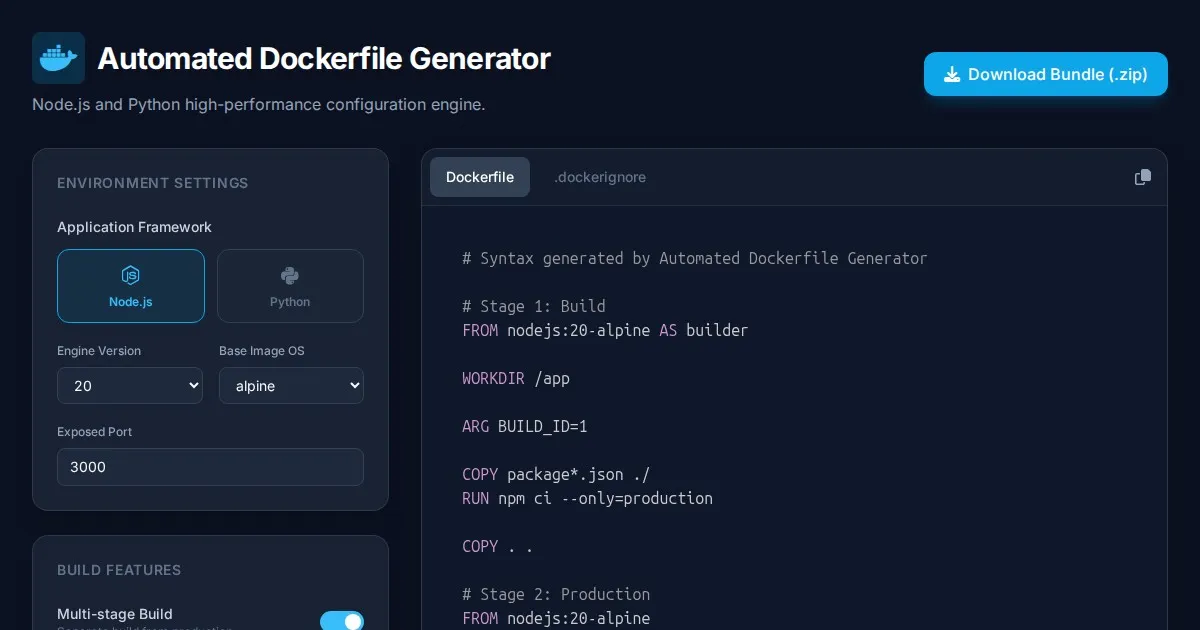
Automated Dockerfile Generator for Node.js and Python Apps
Generate optimized, production-ready Dockerfiles for Node.js and Python applications instantly. Customize base images, port configurations, and dependencies.

Free Jump Rope Mat Impact Attenuation & Density Calculator
Use this free online calculator to determine jump rope mat impact attenuation and material density. Safely assess if your workout flooring protects your joints.

Free Base64 Image Data URI to File Size Calculator
Accurately calculate the file size of Base64 encoded image data strings. This free, web-based tool helps developers estimate binary file sizes for web apps.

Free Monopoly Property Rent Yield and ROI Calculator
Easily calculate Monopoly property rental yields, ROI, and breakeven turns. Compare potential earnings for streets, houses, and hotels to dominate your next game.
Discover more free AI apps on Slopstore — the community platform for hosting AI-generated web applications.