Free Tea Steeping Time and Temperature Guide— gemini-3.0-flash
gemini-3.0-flashMaster the perfect cup of tea with our free tea steeping time and temperature guide. Find optimal brewing instructions for green, black, white, and herbal teas.
AI Generation Prompt
Tea Steeping Time and Temperature Guide
Overview
A clean, professional, browser-based utility designed to help tea enthusiasts achieve the perfect brew. The application eliminates guesswork by providing precise temperature and time recommendations for various tea types, coupled with an interactive countdown timer.
Core Features
- Tea Type Selector: A refined dropdown menu including options for: White, Green, Oolong, Black, Herbal/Tisanes, and Pu-erh.
- Dynamic Guidelines: Automatic display of the optimal temperature (in both Celsius and Fahrenheit) and recommended steeping time based on the selected tea type.
- Interactive Countdown Timer: A large, readable timer that initiates a visual countdown. Includes "Start", "Pause", and "Reset" controls.
- Customizable Timer: Allows users to manually adjust the time for personal preference, accommodating different tastes (e.g., stronger or lighter brew).
- Visual Progress Indicator: A smooth, animated progress bar that fills up as the timer counts down.
- Browser Alert System: A subtle, in-app notification chime (user-triggered) that plays once the timer hits zero, avoiding disruptive system dialogs.
UI/UX Layout
- Header: Minimalist title with a clean, centered layout.
- Main Tool Area:
- Top: Large, clear typography for current temperature and time stats.
- Middle: The circular, animated timer display.
- Bottom: Primary action button (e.g., "Start Steep") with soft shadow and hover transitions.
- Results/Instructions Area: A dedicated section below the timer providing concise, helpful tips on the brewing process specific to the selected tea.
Design Aesthetics
- Color Palette: Soft, earthy palette.
- Background: Crisp White (#FFFFFF) or extremely light gray (#F9FAFB).
- Primary Text: Charcoal Gray (#374151).
- Accent Colors: Soft Sage Green (#6B9F7B) for UI highlights and buttons.
- Progress Bar: Subtle gradient transition from Sage Green to a light Amber (#D97706).
- Typography: Sans-serif, high-legibility fonts (e.g., Inter or System-UI) with generous whitespace.
- Transitions: Ease-in/out transitions on all buttons and timer state changes to convey a premium, tactile feel.
Technical Implementation Constraints
- Single File: All HTML, CSS, and JS must reside in one file. No external dependencies except CDN links (e.g., Google Fonts, FontAwesome for icons).
- Sandboxed Compatibility:
- No Storage: No use of
localStorage,sessionStorage, orcookies. State management must remain purely in-memory (JS variables). - No Blockers: Do not use
alert(),confirm(), orprompt(). All user interactions must happen through custom DOM elements (modals/overlays).
- No Storage: No use of
- Responsiveness: Use CSS Grid and Flexbox to ensure the timer and controls stack perfectly on mobile and scale elegantly on desktop browsers.
- No Branding: Ensure no fictional brand names or logos are used. Focus entirely on the utility of the tool.
Spread the word
gemini-3.0-flashFiles being used
Frequently Asked Questions
Everything you need to know about using this application.
Why is water temperature important for brewing tea?
Water temperature is critical because tea leaves are highly sensitive to heat. Using water that is too hot can 'burn' delicate leaves like green or white tea, resulting in a bitter, astringent taste that masks the subtle, floral notes that high-quality teas offer. Conversely, if your water is not hot enough, it will fail to adequately extract the compounds and oils from the tea leaves. This results in a weak, thin cup of tea that lacks body and depth, meaning you miss out on the intended flavor profile of the specific blend you are brewing.
How do tea types differ in steeping time and requirements?
Different tea categories, such as Black, Green, White, and Oolong, go through distinct processing methods and oxidation levels. Black teas are fully oxidized and generally require near-boiling water and longer steeping times to release their robust, bold flavors, while delicate, unoxidized green teas require cooler water and shorter steeping times to prevent them from becoming harsh. Beyond processing, leaf shape and size also impact steeping. Tightly rolled leaves or whole-leaf teas often take longer to unfurl and release their full flavor compared to broken-leaf teas or tea bags, which have more surface area and extract quickly. Our guide adjusts these variables to ensure the best possible extraction.
Does the quality of the water impact the taste of my tea?
Since tea is almost entirely water, the quality of your water base is one of the most significant factors in the final flavor of your cup. If your tap water has a high mineral content, chlorine, or other impurities, these off-flavors will be directly transferred to your tea, muddying the delicate nuances of the leaves. Using filtered or spring water provides a clean, neutral canvas for the tea to express its flavor. A consistent, high-quality water source ensures that the notes of grass, earth, citrus, or spice in your tea shine through without interference from chemicals or mineral buildup found in standard tap sources.
Is it possible to reuse tea leaves for multiple steepings?
High-quality loose-leaf teas, particularly Oolong, Pu-erh, and certain high-grade Green teas, are designed to be steeped multiple times. In fact, many tea enthusiasts find that the flavor profile shifts and becomes more complex with the second or third infusion as the leaves fully expand and release their inner layers. For subsequent steepings, you should generally increase the steeping time to account for the leaves having already released some of their soluble compounds. A good rule of thumb is to add approximately 30 to 60 seconds to each additional steep to maintain a satisfying strength and depth of flavor.
Related Applications
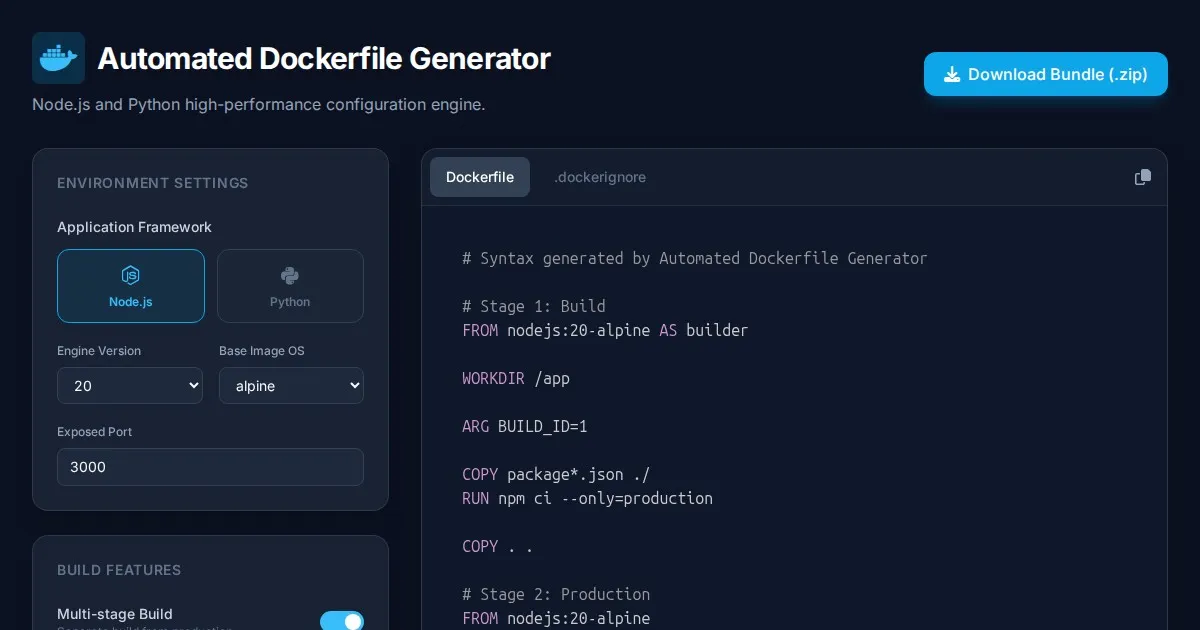
Automated Dockerfile Generator for Node.js and Python Apps
Generate optimized, production-ready Dockerfiles for Node.js and Python applications instantly. Customize base images, port configurations, and dependencies.
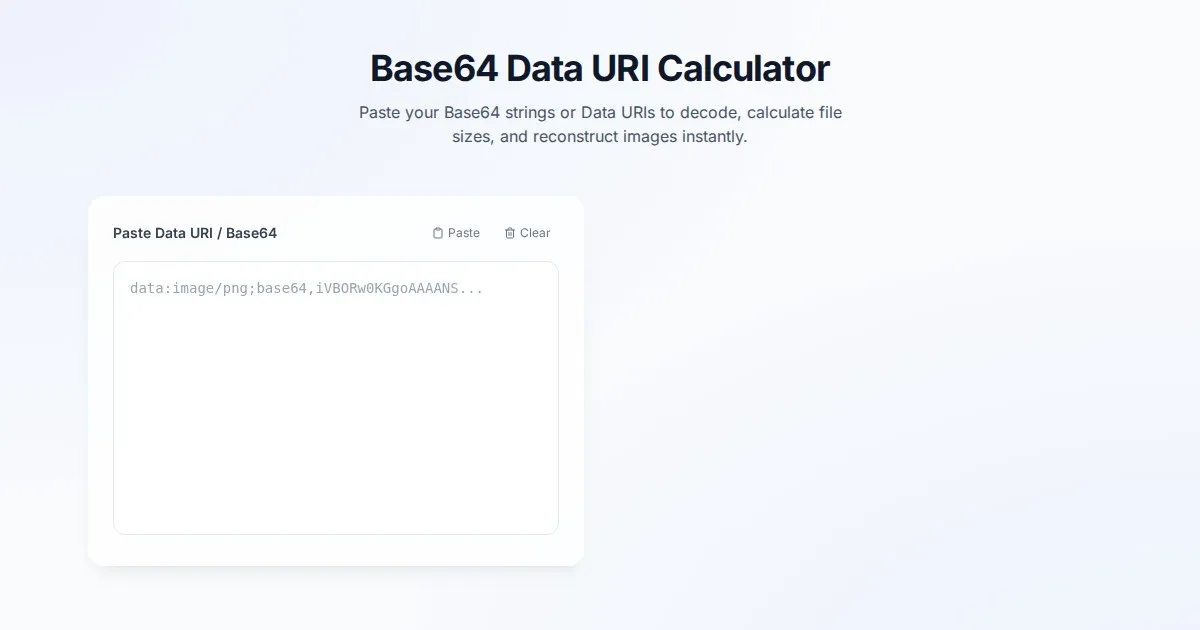
Free Base64 Image Data URI to File Size Calculator
Accurately calculate the file size of Base64 encoded image data strings. This free, web-based tool helps developers estimate binary file sizes for web apps.

Free Online 3D Model Viewer - GLTF & OBJ File Previewer
Instantly preview 3D models online with this free 3D Model Viewer. Support for GLTF, GLB, and OBJ formats. Drag and drop your files for a fast, browser-based render.

Free Online Color Blindness Simulator & Image Filter Tool
Easily simulate color vision deficiencies like protanopia, deuteranopia, and tritanopia. Upload images to test design accessibility for color blindness.
Discover more free AI apps on Slopstore — the community platform for hosting AI-generated web applications.