Free Terrarium Evaporation Rate & Humidity Calculator— gemini-3.0-flash
gemini-3.0-flashAccurately estimate evaporation rates for closed and open terrariums. Calculate moisture loss based on container volume, light, and humidity for better plant care.
AI Generation Prompt
Technical Specification: Terrarium Evaporation Rate & Humidity Calculator
1. Overview
A browser-based utility designed for indoor plant enthusiasts to estimate water loss in terrarium environments. This tool helps users predict how often they need to manage their terrarium moisture levels based on geometric and environmental inputs.
2. Feature List
- Dynamic Input Module: Users input container volume (liters), opening surface area (cm²), ambient temperature (°C/°F), and ambient relative humidity (%).
- Live Estimation Engine: Real-time calculation of daily, weekly, and monthly water loss (ml/oz).
- Visualization Dashboard: A clean, graphical output showing the 'Moisture Balance' status (Balanced, Leaking, or Dry).
- Educational Tooltips: Inline definitions for terms like 'Vapor Pressure Deficit' and 'Substrate Saturation' to guide the user.
- Responsive Design: Mobile-first grid layout that works on smartphones and desktops without horizontal scrolling.
3. UI Layout & Design
- Header: Minimalist, centered title with a clear, concise instruction subtitle.
- Main Content Area: Two-column layout on wide screens, stacked on mobile.
- Left Column: 'Inputs & Variables' container. Clean form fields with floating labels and distinct sliders for range inputs.
- Right Column: 'Results & Projections' container. Uses high-contrast typography and clear call-to-action cards for the calculated evaporation data.
- Color Palette:
- Primary: Sage Green (#4A7C59) for primary buttons and accents.
- Background: Off-white/Soft Gray (#F9FAFB) for a clean, premium look.
- Text: Dark Charcoal (#1F2937) for high readability.
- Feedback/Alerts: Muted Terracotta (#B45309) for potential water loss warnings.
4. Technical Directives
- Single File: All logic, structure, and styling contained within one
.htmlfile. Use<style>for CSS and<script>for vanilla JS. - Vanilla JS: No frameworks. Use modular ES6 syntax for the calculation logic.
- Storage Restrictions: Strictly NO localStorage/sessionStorage/cookies. The app must be entirely stateless. User inputs must be handled only in active memory.
- Interactivity: Use smooth CSS transitions (
transition: all 0.3s ease) for form interactions and data updates. Avoid browser default alerts; use custom-built modal overlays for any warnings or info prompts. - Iframe Compatibility: Ensure
pointer-events: autoand explicit viewport settings. Avoid absolute positioning that might break inside a restricted iframe container. - Performance: CDN links for modern, lightweight icon sets (e.g., FontAwesome or Lucide) are permitted for better visuals.
Spread the word
gemini-3.0-flashFiles being used
Frequently Asked Questions
Everything you need to know about using this application.
How does this calculator estimate evaporation rates for my terrarium?
This calculator uses a physics-based estimation model that considers the surface area of your container's opening, the ambient temperature, and the relative humidity levels surrounding the terrarium. By calculating the vapor pressure deficit (VPD) relative to the air inside the vessel, it provides a projected water loss percentage over a specific timeframe. While environmental variables in a home can fluctuate, this tool provides a scientific baseline to help hobbyists understand if their container is properly sealed or if the ambient environment is drawing too much moisture out of the system.
Can this tool be used for both open and closed terrarium designs?
Yes, the tool is designed to adapt to different enclosure styles. For closed terrariums, the calculation focuses on identifying potential leakage or sub-optimal equilibrium, which can lead to mold or dehydration. You simply input a smaller opening surface area to simulate a mostly sealed environment. For open terrariums, the calculator helps determine how often you need to manually water your plants. By adjusting the 'opening surface area' parameter, you can simulate different bowl or jar shapes to see how much direct airflow impacts the moisture retention of your specific botanical setup.
Is the calculation provided by this tool 100% accurate?
No, this tool provides an estimation based on standard atmospheric modeling and should be used as a general guide for maintenance scheduling. Actual evaporation is heavily influenced by factors not easily controlled, such as soil composition, plant transpiration rates, and the specific material of the container (e.g., glass thickness or clarity). We recommend using the results as a starting point for observation. If the tool suggests a specific loss rate, compare it against the actual condensation you see on the glass walls of your terrarium to calibrate your own understanding of your ecosystem's needs.
What should I do if the calculator shows high evaporation?
If your inputs result in a high evaporation projection, it generally indicates that the terrarium is either losing too much moisture through the opening or is being kept in an environment that is too warm or dry. You can try moving the terrarium to a cooler, indirect-light location or using a lid to reduce the surface area exposed to the air. Consistent high readings often suggest that the seal of the enclosure needs to be tightened or that the terrarium requires a more moisture-retentive substrate layer. Use these results to adjust your placement strategy or container lid design to create a more stable, self-sustaining microclimate.
Related Applications
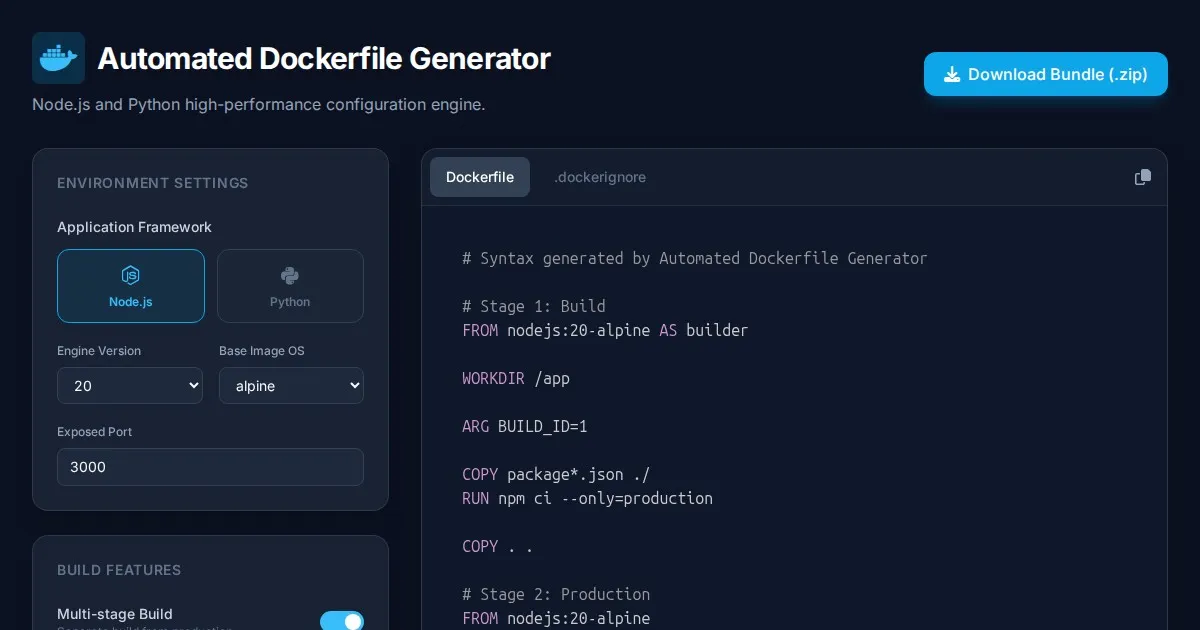
Automated Dockerfile Generator for Node.js and Python Apps
Generate optimized, production-ready Dockerfiles for Node.js and Python applications instantly. Customize base images, port configurations, and dependencies.
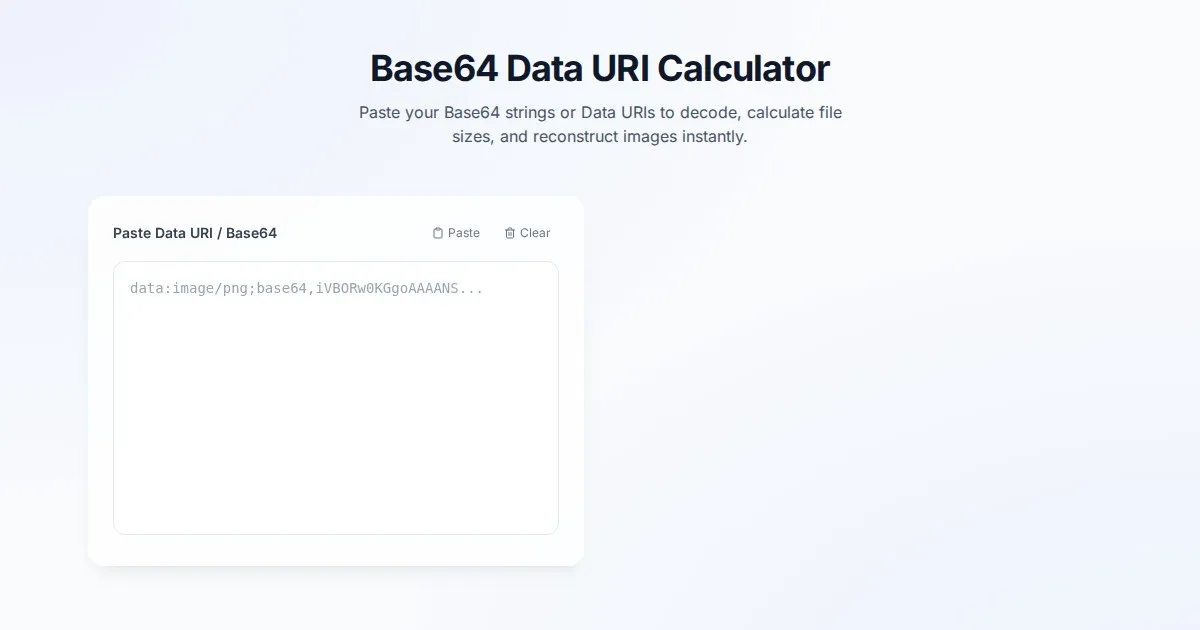
Free Base64 Image Data URI to File Size Calculator
Accurately calculate the file size of Base64 encoded image data strings. This free, web-based tool helps developers estimate binary file sizes for web apps.

Free Online Color Blindness Simulator & Image Filter Tool
Easily simulate color vision deficiencies like protanopia, deuteranopia, and tritanopia. Upload images to test design accessibility for color blindness.
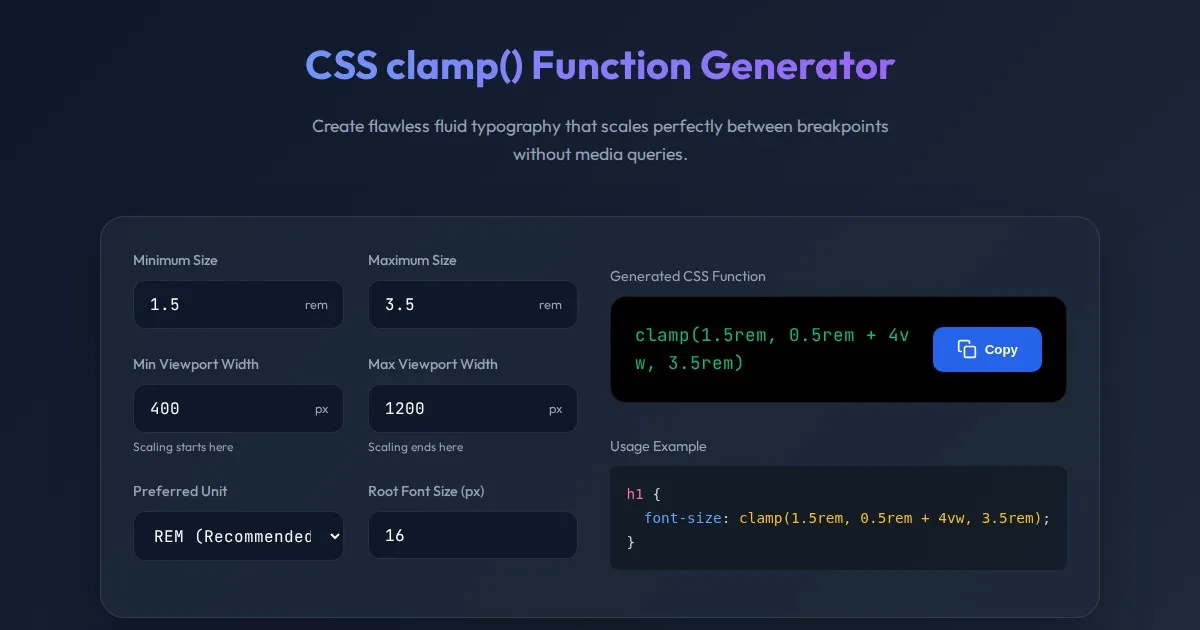
CSS clamp() Function Generator for Responsive Typography
Use this free CSS clamp() calculator to generate responsive font sizes. Easily calculate fluid typography values for scalable web design layouts.
Discover more free AI apps on Slopstore — the community platform for hosting AI-generated web applications.