Free Triathlete Aerodynamic Drag Area (CdA) Estimator— gemini-3.0-flash
gemini-3.0-flashCalculate your cycling aerodynamic drag area (CdA) instantly. A free, easy-to-use tool for triathletes to analyze power, speed, and aerodynamic efficiency.
AI Generation Prompt
Free Triathlete Aerodynamic Drag Area (CdA) Estimator
Overview
A high-performance, single-file browser utility designed for triathletes and cyclists to calculate their aerodynamic drag area (CdA). This tool allows users to input their ride data to understand their aerodynamic efficiency without needing complex software or wind tunnel testing.
Technical Specification
- Architecture: Single-file HTML5 (Vanilla JS, CSS3, HTML5). No external build steps.
- Storage: NO local storage or cookies. All calculations are performed in-memory.
- External Dependencies: Tailwind CSS (via CDN) for styling. Lucide Icons (via CDN) for UI elements.
- Responsiveness: Mobile-first design; inputs stack on small screens and utilize a grid layout on larger screens.
UI/UX Design
- Color Palette: Clean, clinical aesthetic. White background (#FFFFFF), slate grey text (#334155), vibrant teal primary button (#0D9488) for the calculate action, and light grey borders (#E2E8F0).
- Layout:
- Header: Simple, centered title with a clear, concise instruction subtitle.
- Input Section: A responsive card containing labelled inputs for Power (W), Speed (km/h/mph), Weight (kg/lb), Gradient (%), Crr (coefficient of rolling resistance), and Air Density.
- Results Section: A dynamic "Result Card" that appears upon calculation, highlighting the CdA result in a large, bold font with an accompanying "Improvement Score" or benchmark indicator.
- Interactive Elements: Real-time validation for input fields. No browser alerts; custom inline error messages for invalid inputs.
- Animations: Subtle fade-in for result cards using CSS transitions. Micro-interactions on buttons (scaling down on press).
Feature Set
- Real-time Conversion: Automatic unit toggling (metric/imperial).
- Smart Defaults: Pre-filled inputs with standard values (e.g., Crr for road tires, standard air density at sea level) to help users start immediately.
- Educational Tooltips: Hover-over information icons that explain each input field and why it impacts the calculation.
- Action Bar: "Copy Results" button and "Reset" button for clean workflow management.
- Print-Friendly: Media queries to ensure the tool looks clean if a user prints their result card.
Developer Directives
- Do not use LocalStorage or SessionStorage. All state must be managed via JavaScript object variables.
- Avoid alert/prompt/confirm. Create a DOM-based overlay or modal if user confirmation is needed.
- Accessibility: Ensure high contrast ratios for text and full keyboard navigation support.
- Performance: Minimal script footprint. Use CSS for animations over JavaScript execution where possible.
- Sandboxed Compatibility: Ensure all links use
target="_blank" rel="noopener noreferrer". Ensure no external tracking scripts are included.
Spread the word
gemini-3.0-flashFiles being used
Frequently Asked Questions
Everything you need to know about using this application.
What is CdA and why does it matter for triathletes?
CdA stands for the coefficient of aerodynamic drag (Cd) multiplied by the frontal area (A). For triathletes, this is the most critical metric determining how much power is required to maintain a specific speed on the bike leg of a race. A lower CdA means you are more 'slippery' through the air, allowing you to ride faster for the same wattage. Optimizing your position in the aerobars, choosing tighter-fitting apparel, and selecting aerodynamic equipment are the primary ways to reduce this value. Our free estimator helps you quantify your current setup, providing the data necessary to make informed decisions about your bike fit and gear choices to maximize performance.
How do I use this free aerodynamic drag area estimator?
To obtain an accurate estimate, input your cycling data into the calculator fields provided. You will need your average power output (in Watts), average speed (in km/h or mph), total system weight (rider plus bike), and the road gradient. If you are training on a flat course, you can set the gradient to zero. Once you enter these values, the application performs a physics-based calculation using standard aerodynamic equations for cycling. The results will display your estimated CdA value, helping you track improvements over time as you tweak your position or test different racing equipment during your training blocks.
How accurate are the results from this calculator?
This calculator provides a high-quality estimate based on mathematical physics models. While it is excellent for tracking your progress and comparing sessions, it assumes consistent conditions such as no headwind or tailwind and perfect drive-train efficiency. Real-world conditions can introduce variables that are difficult to account for in a browser-based tool. For the most precise results, aim to record your data on a calm day on a flat, consistent stretch of road. By isolating these variables, you can use the tool to identify meaningful changes in your aerodynamic efficiency between different bike setups, equipment changes, or changes in your body position on the bike.
What can I do to improve my cycling CdA?
Improving your CdA is generally more about body position than buying expensive equipment. The most effective way to lower your drag is by optimizing your torso angle, adjusting your arm pad width on your aerobars, and keeping your head tucked. Even small changes in your position can lead to significant free speed over a long-distance triathlon. After addressing your position, consider your clothing choice, as tight-fitting, aerodynamic skinsuits significantly reduce drag compared to traditional jerseys. Finally, once position and clothing are optimized, investing in aerodynamic wheels or a dedicated triathlon bike can offer additional gains, though these provide diminishing returns compared to the impact of a good bike fit.
Related Applications
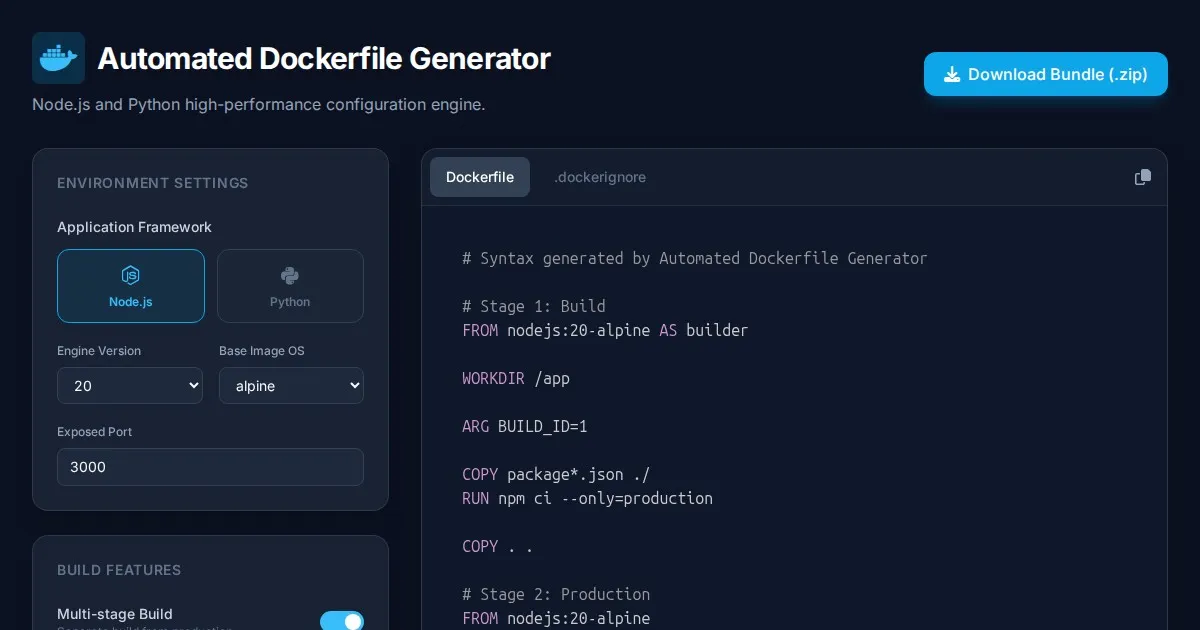
Automated Dockerfile Generator for Node.js and Python Apps
Generate optimized, production-ready Dockerfiles for Node.js and Python applications instantly. Customize base images, port configurations, and dependencies.
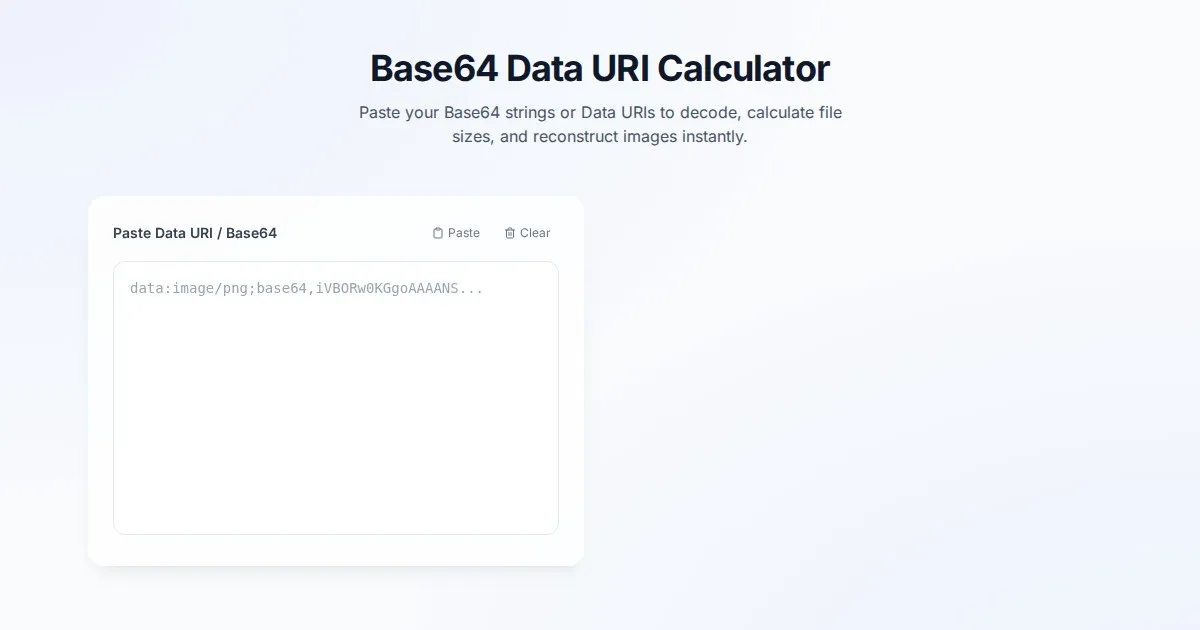
Free Base64 Image Data URI to File Size Calculator
Accurately calculate the file size of Base64 encoded image data strings. This free, web-based tool helps developers estimate binary file sizes for web apps.

Free Online Color Blindness Simulator & Image Filter Tool
Easily simulate color vision deficiencies like protanopia, deuteranopia, and tritanopia. Upload images to test design accessibility for color blindness.
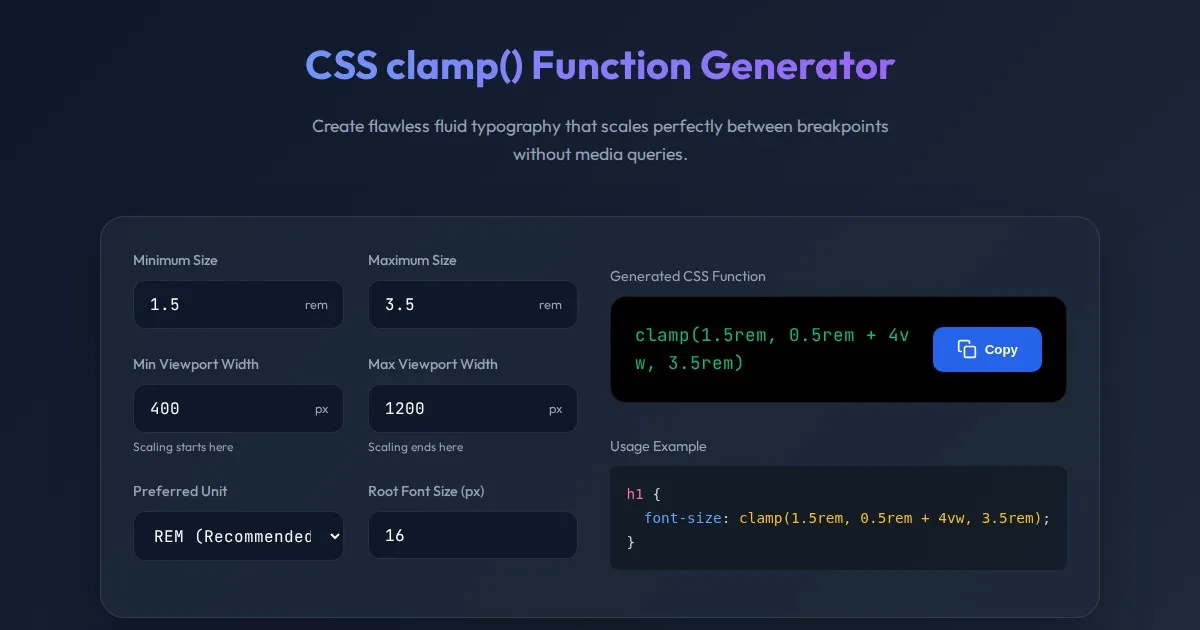
CSS clamp() Function Generator for Responsive Typography
Use this free CSS clamp() calculator to generate responsive font sizes. Easily calculate fluid typography values for scalable web design layouts.
Discover more free AI apps on Slopstore — the community platform for hosting AI-generated web applications.