Free Turbocharger Wastegate Spring Pressure & Boost Calculator— gemini-3.0-flash
gemini-3.0-flashUse our free tool to calculate turbocharger wastegate spring pressure vs target boost. Accurate estimation for automotive enthusiasts and engine tuners.
AI Generation Prompt
Technical Specification: Free Turbocharger Wastegate Spring Pressure & Boost Calculator
Overview
This single-file application is a specialized automotive utility designed to help users calculate the relationship between physical wastegate spring pressure and electronic boost targets. It features a clean, professional SaaS interface that allows users to input their base mechanical settings and calculate theoretical boost limits.
Core Features
- Interactive Input Module: Real-time form fields for Base Spring Pressure (PSI/Bar), Atmospheric Pressure, and Boost Controller Duty Cycle/Gain.
- Dynamic Estimation Engine: JavaScript-based calculation logic to estimate the final target boost pressure.
- Visual Data Representation: Integration with a lightweight charting library (CDN-hosted) to visualize the relationship between duty cycle and boost progression.
- Safety Information Tooltips: Informative overlays explaining the risks of over-boosting and the importance of professional tuning.
UI/UX Design
- Color Palette: A vibrant, professional light-mode aesthetic using professional blues (#2563eb), cool grays (#f3f4f6), and sharp dark slate text (#1e293b).
- Layout Structure:
- Header: Simple, clean title with a clear, concise instruction sub-header.
- Main Tool Area: A two-column grid (desktop) or single column (mobile). Left side for inputs; right side for calculated results and a visual graph.
- Information Section: A "How it works" section below the calculator to provide context and reduce bounce rate.
- Animations: Subtle transition effects using
transition: all 0.3s ease-in-outfor input focusing, button hover states, and graph rendering.
Technical Implementation Constraints
- Architecture: The app must be a single HTML file. CSS and JS should be internal to keep it portable.
- No Persistence: Do not use
localStorageorcookies. Calculations are transient and wiped upon refresh. - Dependencies: Use CDN links for Tailwind CSS (styling), Lucide Icons (visuals), and Chart.js (graphing).
- Sandbox Safety: No
alert()orprompt(). All UI feedback (validation errors) must be rendered as DOM elements with smooth opacity transitions. - Responsiveness: Use standard Tailwind grid and flex utilities to ensure the tool adapts from a wide desktop monitor to a narrow mobile device screen without breaking the layout.
Calculation Logic Requirements
- Input Validation: Ensure all inputs are positive numbers. Prevent division by zero errors.
- Units: Toggle button to switch between PSI and Bar units seamlessly without refreshing the page.
- Output Accuracy: Provide a confidence interval indicator based on the complexity of the input (e.g., "Estimated based on a linear boost controller model").
Spread the word
gemini-3.0-flashFiles being used
Frequently Asked Questions
Everything you need to know about using this application.
How does wastegate spring pressure dictate minimum boost?
The wastegate spring pressure determines the mechanical limit of your turbocharger system, specifically the minimum boost level that the turbo can produce without electronic intervention. When the boost pressure inside the intake manifold exceeds the force exerted by the spring pushing against the wastegate actuator diaphragm, the wastegate valve opens to bypass exhaust gas away from the turbine wheel, effectively capping boost levels. In a scenario without an electronic boost controller, the engine will run at exactly the base spring pressure provided by the wastegate actuator. This serves as a safety fallback in the event of an electronic component failure, ensuring that the engine does not operate beyond the design specifications of the wastegate spring.
Why do I need an electronic boost controller with a wastegate?
An electronic boost controller (EBC) is used to achieve boost levels higher than the base mechanical spring pressure of your wastegate actuator. By using a solenoid valve to bleed off or restrict the pressure signal reaching the wastegate actuator, the EBC tricks the wastegate into staying closed longer than it normally would, allowing the turbocharger to build more boost pressure before the gate opens. Using this calculation tool allows you to estimate the relationship between your base spring setting and the desired target boost when applying duty cycle adjustments. It provides a baseline for setting up your boost controller parameters before you begin real-world road testing or dyno tuning.
How does atmospheric pressure affect my boost target?
Atmospheric pressure is the baseline pressure of the air around you, which varies significantly based on your altitude and current weather conditions. Boost pressure is technically defined as the difference between intake manifold pressure and the surrounding atmospheric pressure, meaning that your turbocharger must work harder to achieve the same target boost pressure at higher altitudes. If you are calculating your target boost, it is crucial to understand that your turbocharger will likely spool slower and struggle to reach high boost targets in thin air compared to sea level. Always ensure your wastegate settings are calibrated for your specific environment to prevent over-speeding the turbocharger while trying to compensate for lower air density.
Is this calculator accurate for all engine setups?
This calculator provides a theoretical estimation based on standard automotive thermodynamic principles and typical wastegate actuator responses. However, individual engine setups vary wildly based on factors such as exhaust manifold design, exhaust backpressure, turbocharger sizing, and air intake efficiency, all of which influence how much actual boost is achieved. While this tool is excellent for baseline planning and understanding the relationship between mechanical and electronic boost control, it should not replace empirical data gathered through professional tuning. Always monitor your air-fuel ratios and knock sensors during the tuning process to ensure your engine remains safe under high-boost conditions.
Related Applications
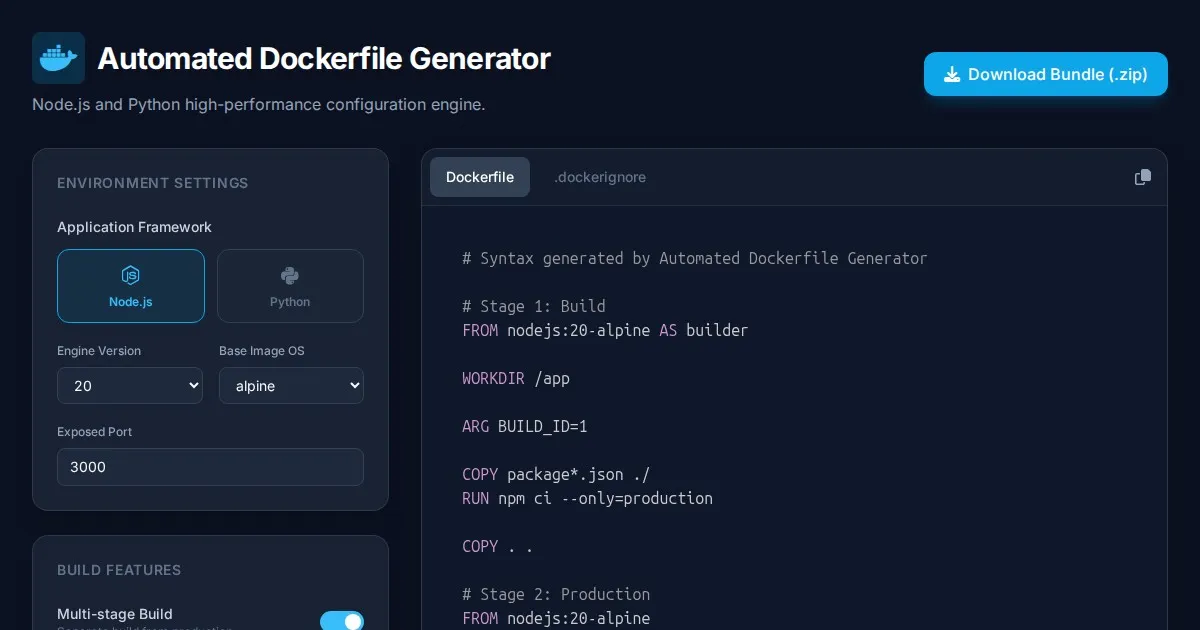
Automated Dockerfile Generator for Node.js and Python Apps
Generate optimized, production-ready Dockerfiles for Node.js and Python applications instantly. Customize base images, port configurations, and dependencies.
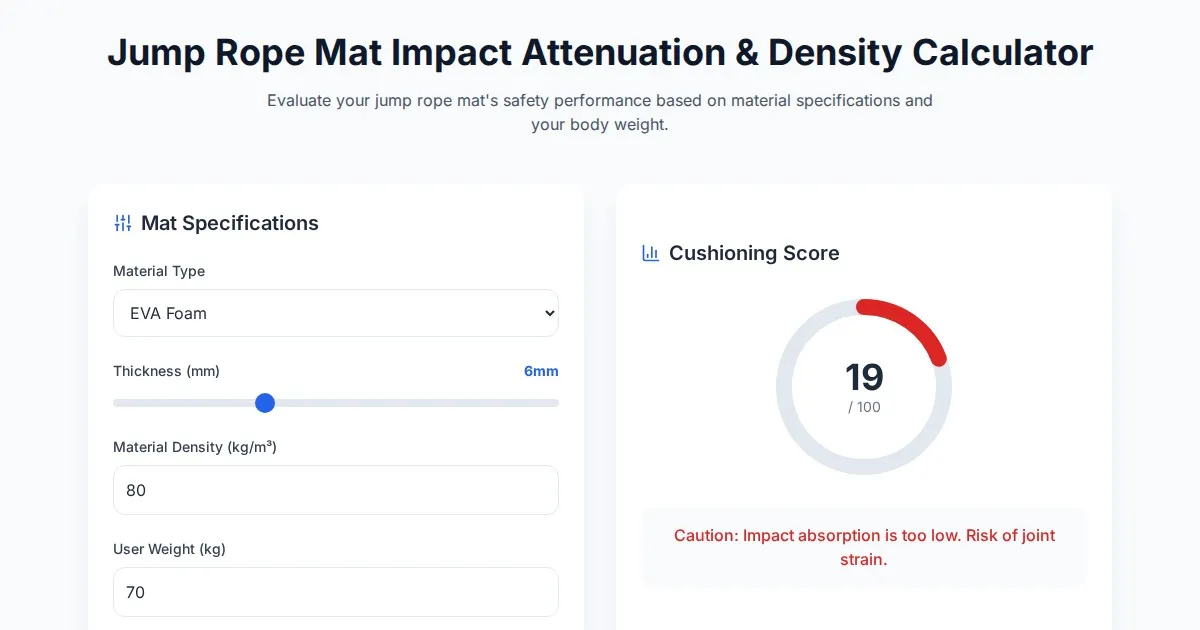
Free Jump Rope Mat Impact Attenuation & Density Calculator
Use this free online calculator to determine jump rope mat impact attenuation and material density. Safely assess if your workout flooring protects your joints.
Free Base64 Image Data URI to File Size Calculator
Accurately calculate the file size of Base64 encoded image data strings. This free, web-based tool helps developers estimate binary file sizes for web apps.

Free Online Color Blindness Simulator & Image Filter Tool
Easily simulate color vision deficiencies like protanopia, deuteranopia, and tritanopia. Upload images to test design accessibility for color blindness.
Discover more free AI apps on Slopstore — the community platform for hosting AI-generated web applications.