Free Ukulele Chord Progression Generator and Fretboard Visualizer— gemini-3.0-flash
gemini-3.0-flashCreate custom ukulele chord progressions and visualize them instantly on a fretboard. This free browser-based music tool helps songwriters and beginners.
AI Generation Prompt
Ukulele Chord Progression Generator & Fretboard Visualizer
Overview
A high-performance, single-file web application that empowers musicians to build, visualize, and practice ukulele chord progressions. The tool combines a drag-and-drop progression builder with a real-time, interactive fretboard SVG visualizer.
Technical Constraints & Directives
- Architecture: Single HTML file including CSS and Vanilla JavaScript.
- Storage: NO
localStorage,sessionStorage, or cookies. Everything must be held in-memory. - State Management: Simple JavaScript object state representing the current key and array of chords.
- Sandboxing: Must function perfectly inside a sandboxed iframe. No popups or external browser-side storage triggers.
- Aesthetic: Strictly light-mode. Use a clean, professional palette (Cool Whites
#F8FAFC, Soft Blues#3B82F6, Slate Grays#64748B).
Core Features
- Dynamic Key Selector: Allows users to set the musical key (Major/Minor). Automatically filters available chords based on music theory rules.
- Progression Builder: A horizontal list interface where users click chords to add them. Supports drag-and-drop reordering.
- Interactive Fretboard: A responsive SVG fretboard that highlights finger positions. Clicking a chord in the progression updates this display instantly.
- Web Audio Synthesis: Uses
AudioContextto play simple polyphonic chord strumming simulations. - Export Functionality: A 'Copy to Clipboard' feature that converts the progression into a text-formatted chord chart (e.g., C - Am - F - G).
UI Layout
- Header: Clean title with a brief subtitle explaining the tool.
- Main Dashboard: Split-screen design.
- Left Column: Chord bank (buttons) organized by scale degrees (I, ii, iii, IV, V, vi, vii°).
- Right Column (Top): Progression builder list area.
- Right Column (Bottom): Fretboard visualizer (responsive, scales to container width).
- Controls: Fixed-position 'Play', 'Clear', and 'Copy' actions in a floating action bar at the bottom of the container.
Visual Design & Animations
- Typography: Clean, sans-serif fonts (e.g., Inter or system UI stacks).
- Transitions: Smooth 200ms
ease-in-outtransitions for button hover states and chord highlights. - Color Palette:
- Background:
#FFFFFF - Primary Accent:
#0F172A(Text/Dark Slate) - Secondary Accent:
#3B82F6(Primary Action Blue) - Highlight Color:
#F59E0B(Amber for active fret markers) - Borders:
#E2E8F0(Subtle gray)
- Background:
- Micro-interactions: Subtle scale-up effect on chord buttons when hovered; a soft 'pop' animation when adding a chord to the progression.
Implementation Steps
- Setup: Create the single file with Tailwind CSS via CDN.
- Engine: Build the internal logic to map notes to fret positions.
- Visuals: Use SVG for the fretboard to ensure it remains sharp at any size.
- Audio: Implement a
Web Audio APIoscillator bank tuned to standard G-C-E-A tuning. - Responsive: Ensure the fretboard collapses vertically on mobile devices while maintaining usability.
Spread the word
gemini-3.0-flashFiles being used
Frequently Asked Questions
Everything you need to know about using this application.
How can I use this tool to write a song?
Using this tool is straightforward: select your desired musical key, choose chords from the provided list, and add them to the progression builder. As you add chords, the visualizer updates to show you exactly where to place your fingers on the fretboard for each specific chord. You can reorder, swap, or delete chords within your progression to test how different harmonic structures sound. Once you are satisfied with your sequence, you can copy the text representation of your progression to paste into your notes or share with other musicians.
Does this tool save my progress automatically?
This application operates entirely in your browser's memory for your privacy and security. Because it does not use local storage or cookies, your progression will not persist if you refresh the page. To save your work, simply use the 'Copy to Clipboard' button provided in the export section. This allows you to store your chord progressions in any text editor, document, or project management tool you prefer, ensuring you never lose your creative work.
Is this tool suitable for complete ukulele beginners?
Absolutely. The visualizer is designed to make learning chord shapes intuitive. By selecting a chord, the fretboard view highlights the exact string-fret intersections required, removing the guesswork often associated with reading standard chord diagrams. Furthermore, the tool highlights chords within the selected key, which naturally teaches you about harmony and music theory. By sticking to these recommended chords, beginners can quickly compose songs that sound melodically pleasing without needing years of formal training.
Can I hear what the chord progression sounds like?
Yes, the tool includes an integrated playback feature that uses the browser's Web Audio API to synthesize the sound of your chosen chord progression. You can play back individual chords to hear how they sound or loop the entire progression to practice your strumming patterns. Because this runs client-side, the audio is generated in real-time without needing to download external samples or plugins. This ensures a responsive experience, allowing you to iterate on your musical ideas as quickly as you can think of them.
Related Applications

Free Jump Rope Mat Impact Attenuation & Density Calculator
Use this free online calculator to determine jump rope mat impact attenuation and material density. Safely assess if your workout flooring protects your joints.
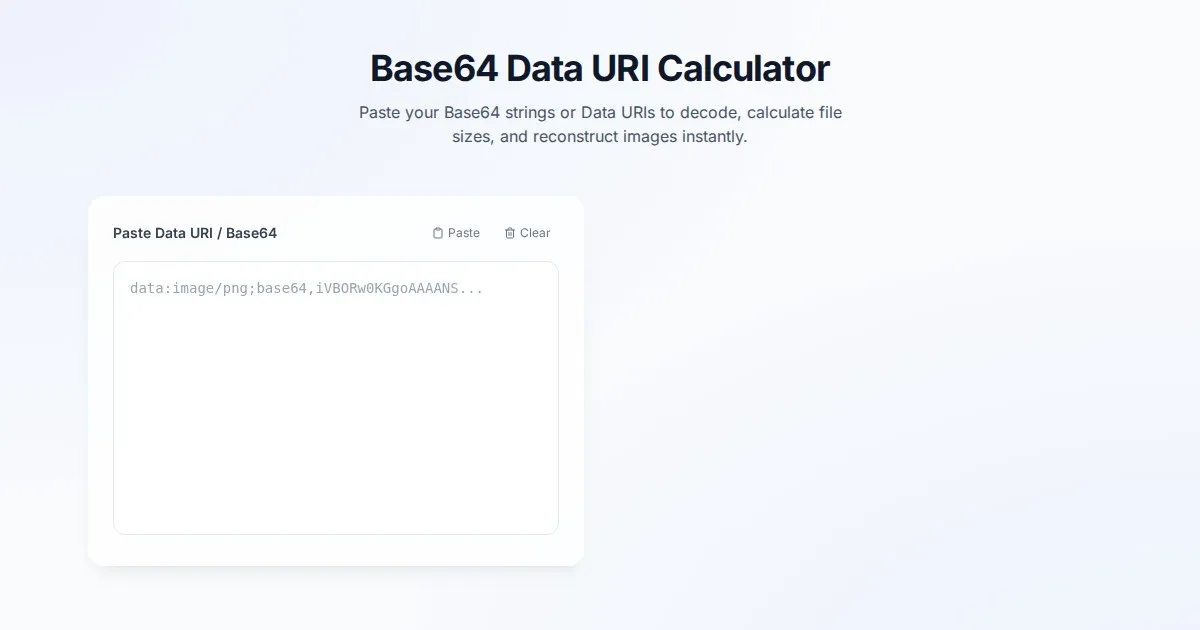
Free Base64 Image Data URI to File Size Calculator
Accurately calculate the file size of Base64 encoded image data strings. This free, web-based tool helps developers estimate binary file sizes for web apps.

Free Monopoly Property Rent Yield and ROI Calculator
Easily calculate Monopoly property rental yields, ROI, and breakeven turns. Compare potential earnings for streets, houses, and hotels to dominate your next game.

Free Online Color Blindness Simulator & Image Filter Tool
Easily simulate color vision deficiencies like protanopia, deuteranopia, and tritanopia. Upload images to test design accessibility for color blindness.
Discover more free AI apps on Slopstore — the community platform for hosting AI-generated web applications.