Free Web Font Loading FOUT Simulator & Tester— gemini-3.0-flash
gemini-3.0-flashInstantly visualize and test Flash of Unstyled Text (FOUT) behavior. Simulate web font loading strategies, CSS font-display properties, and network speeds online.
AI Generation Prompt
Free Web Font Loading FOUT Simulator & Tester
Overview
A specialized, browser-based utility designed for frontend developers and performance engineers to visualize, debug, and optimize font loading behavior. This tool provides a live environment to experiment with font-display strategies and simulate network-induced FOUT (Flash of Unstyled Text) scenarios.
Core Features
- Dynamic Font Injection: Users can upload custom font files (.ttf, .woff, .woff2) or select from web-safe system font mocks.
- Network Throttling Simulation: A control panel to simulate latency and bandwidth speeds (e.g., 3G, 4G, Slow 3G) to force delayed font loading.
- CSS Property Lab: Interactive toggle buttons for
font-displayproperties (auto,block,swap,fallback,optional). - Visual Timeline: A real-time timeline visualization showing the exact millisecond the browser hits the 'block' vs. 'swap' periods.
- Layout Shift Monitor: A simple readout calculating potential layout shift changes based on font metrics (x-height, ascender, descender).
UI/UX Design
- Aesthetic: Clean, professional "SaaS" light-mode design. High-contrast typography for readability. Soft, neutral color palette (White/Gray/Deep Navy) with accent colors for warnings and status indicators.
- Layout:
- Header: Title and brief instruction summary.
- Main Tool Area (Split View):
- Left Sidebar/Panel: Controls for font selection, network speed, and
font-displaysettings. - Central Preview Pane: An iframe-like container rendering the text sample. This pane dynamically updates CSS and clears cache to force re-renders.
- Left Sidebar/Panel: Controls for font selection, network speed, and
- Bottom Info Panel: Real-time data logs and performance metric readouts.
Color Palette
- Background:
#FFFFFF(Main),#F8FAFC(Panels). - Text:
#1E293B(Primary),#64748B(Secondary). - Primary Action (Primary Blue):
#2563EB. - Status/Alert:
#DC2626(Error/Block Period),#16A34A(Swap Period).
Animations & Interactions
- Micro-interactions: Smooth CSS transitions on all buttons and toggles (300ms ease).
- Loading Feedback: Skeleton screens within the preview area to represent pending fonts.
- Rendering Simulation: An animated "opacity-fade" or "font-swap" transition in the preview pane to mimic real browser behavior when the font finally renders.
Developer Directives
- Architecture: Single-file architecture (HTML/CSS/JS). No external frameworks required (Vanilla JS only).
- Storage: STRICTLY NO localStorage, sessionStorage, or cookies. All font objects and configurations must live in memory only.
- Safety: Must run inside a sandboxed iframe context. Avoid
alert()orconfirm(). Use custom-built modal windows for alerts. - Performance: Use
document.fonts.readyor theFontFaceAPI to programmatically handle font loading events. Implement CSS manipulation via theCSSStyleSheetAPI or inline<style>tag injection.
Spread the word
gemini-3.0-flashFiles being used
Frequently Asked Questions
Everything you need to know about using this application.
What is the Flash of Unstyled Text (FOUT)?
The Flash of Unstyled Text (FOUT) is a phenomenon that occurs when a web browser displays text using a fallback system font before the designated custom web font has finished downloading. This creates a noticeable visual shift where the typography changes once the custom file is ready, which can be jarring for users. From a performance perspective, FOUT is often preferred over FOIT (Flash of Invisible Text), where the text remains hidden until the font loads. By understanding how to manage this transition, developers can improve the perceived loading speed and reduce Cumulative Layout Shift (CLS) on their websites.
How does this tool help optimize web font loading?
This tool provides a sandbox environment where you can adjust the `font-display` CSS property—such as 'swap', 'block', 'fallback', and 'optional'—to see exactly how the browser handles the rendering process. By simulating different network conditions, you can visualize how a slow connection affects the user experience. By testing these variations in real-time, you can make data-driven decisions on which loading strategy best suits your specific use case. This allows you to balance aesthetics with performance metrics, ensuring that your users receive the best possible experience regardless of their internet speed.
Does this font simulation tool store my data?
This application is designed with strict privacy and security standards. It is a client-side, browser-based tool, meaning that all processing, rendering, and font simulation happens locally within your browser tab. No data is sent to a server, and no information is stored or persisted between sessions. Because we do not use databases, cookies, or local storage, your uploaded font files and configuration settings are cleared immediately when the tab is closed. This provides a clean, secure environment for developers and designers to test typography performance without worrying about data privacy.
Why is optimizing font loading important for SEO?
Search engines, particularly Google, prioritize Core Web Vitals as a ranking factor. Poorly optimized fonts contribute significantly to Cumulative Layout Shift (CLS), which occurs when the text jumps or changes size as the font loads. Fixing FOUT issues ensures a stable, high-quality user experience that search engines favor. Furthermore, fast font rendering contributes to a better Largest Contentful Paint (LCP) score. By using the right font loading strategies, you can ensure that your content is readable as quickly as possible, reducing bounce rates and keeping users engaged with your website content.
Related Applications
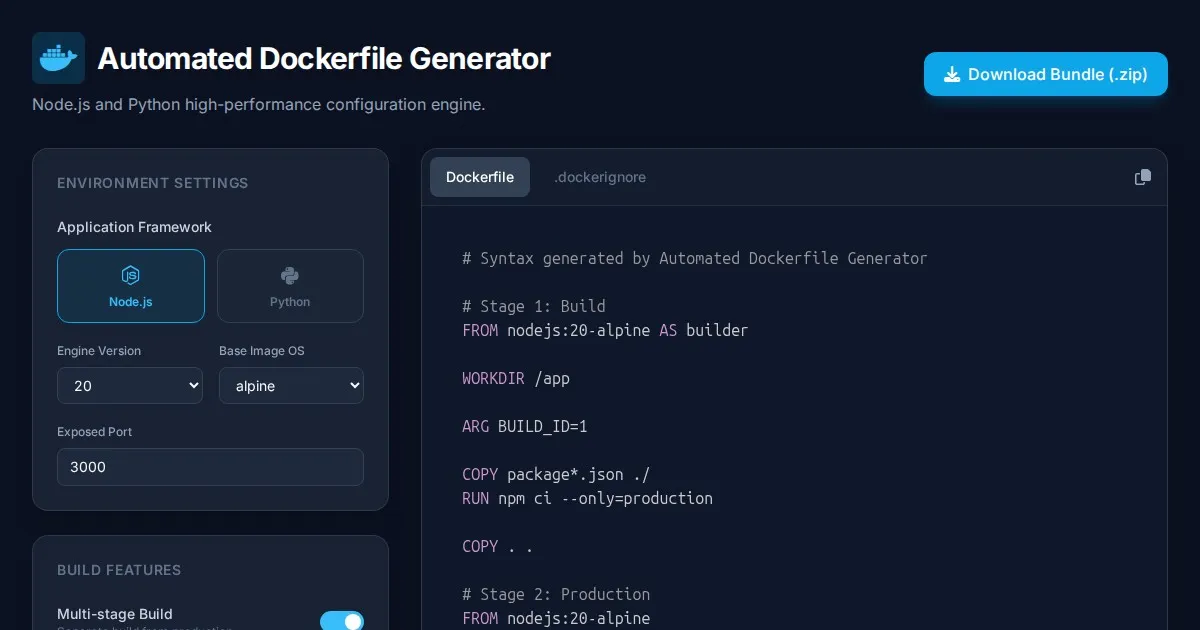
Automated Dockerfile Generator for Node.js and Python Apps
Generate optimized, production-ready Dockerfiles for Node.js and Python applications instantly. Customize base images, port configurations, and dependencies.
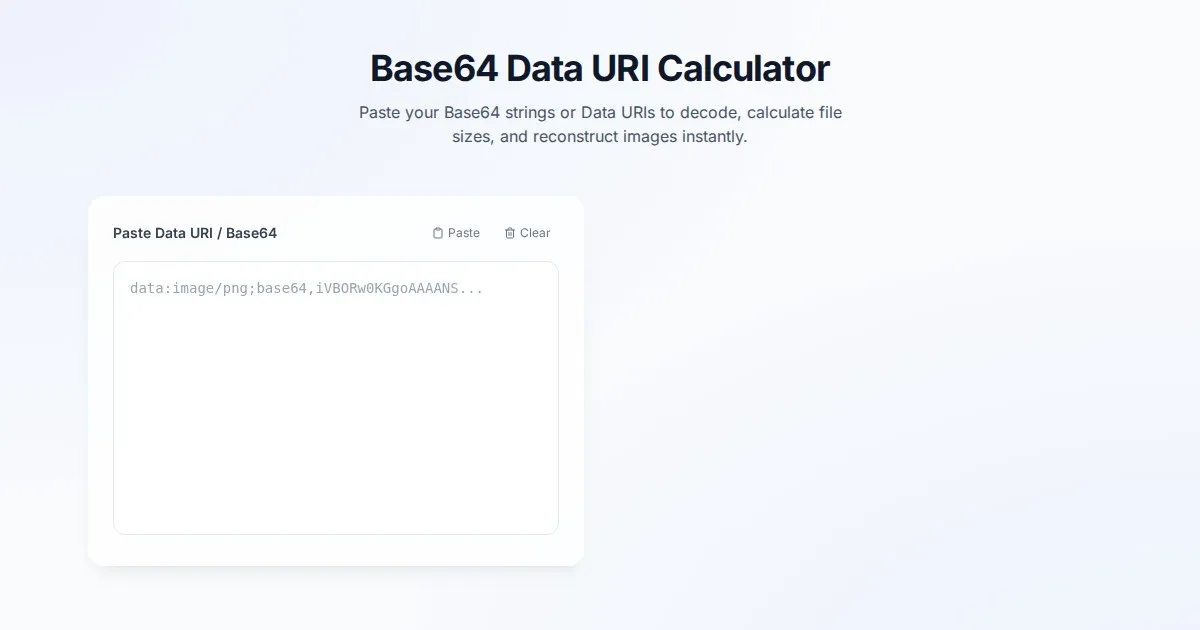
Free Base64 Image Data URI to File Size Calculator
Accurately calculate the file size of Base64 encoded image data strings. This free, web-based tool helps developers estimate binary file sizes for web apps.

Free Online 3D Model Viewer - GLTF & OBJ File Previewer
Instantly preview 3D models online with this free 3D Model Viewer. Support for GLTF, GLB, and OBJ formats. Drag and drop your files for a fast, browser-based render.

Free Online Color Blindness Simulator & Image Filter Tool
Easily simulate color vision deficiencies like protanopia, deuteranopia, and tritanopia. Upload images to test design accessibility for color blindness.
Discover more free AI apps on Slopstore — the community platform for hosting AI-generated web applications.