Free WebSocket Client Tester & Message Debugger Tool— gemini-3.0-flash
gemini-3.0-flashUse this free, browser-based WebSocket client tester to connect to WS and WSS endpoints, send messages, and debug real-time communication without installing software.
AI Generation Prompt
Technical Specification: WebSocket Client Tester
Overview
A high-performance, single-file browser application designed for developers to test, debug, and interact with WebSocket servers. The tool provides a clean, professional interface for establishing connections, sending messages, and visualizing real-time logs.
Architecture & Constraints
- Single File: The entire application (HTML, CSS, JS) must reside in one file. Use CDNs for Tailwind CSS and Lucide icons.
- No Persistence: Strictly NO usage of localStorage, sessionStorage, or cookies. All connection data is transient and lost on reload.
- Sandbox Compatible: No
alert()orprompt(). All UI notifications must be inline modals or toasts. - Performance: Optimized for minimal memory footprint; all logging uses an in-memory array that prunes older entries if the log size exceeds 1000 lines.
UI/UX Design
- Aesthetic: Clean, "SaaS" light-mode design. Use a palette of white, off-white (#f9fafb), slate-gray, and a vibrant primary accent color (e.g., Indigo-600) for actions.
- Layout:
- Header: Sticky top header with the application title and a connection status indicator (badge).
- Control Bar: Input field for the WebSocket URL (ws:// or wss://) and 'Connect' / 'Disconnect' buttons.
- Main Log Area: A scrollable, monospaced log window. Each line is timestamped and color-coded (Green for Received, Blue for Sent, Red for Error, Gray for System status).
- Input Area: Bottom sticky area containing a text area for message composition and a 'Send' button.
- Micro-interactions:
- Status indicator fades smoothly when changing state.
- Log items slide-in with a subtle opacity transition.
- The 'Send' button shows a brief loading state/spinner when the send action is triggered.
Core Features
- URL Management: Input validation for WebSocket protocols. Handles connectivity errors gracefully with UI feedback.
- Protocol Support: Supports both
ws://andwss://. - Real-time Logging: Displays events in chronological order with precise timestamps.
- Message Formatting: Allows plain text or JSON string input. Adds basic auto-formatting/pretty-printing for received JSON objects.
- Responsive Grid: The layout adapts to side-by-side or stacked views based on screen width using standard CSS Flexbox/Grid.
- Clear Log: A 'Clear' button to wipe the current log memory instantly.
Developer Implementation Directives
- Use
new WebSocket(url)for connections. - Attach standard
onopen,onmessage,onerror, andoncloseevent listeners. - Use
Date.now()for generating timestamps. - Ensure all Tailwind classes are applied for a premium look (e.g.,
rounded-lg,shadow-sm,border-gray-200,text-sm,font-mono). - Explicitly avoid
prompt()for user input; use an HTML-based form approach for complex configurations if needed.
Spread the word
gemini-3.0-flashFiles being used
Frequently Asked Questions
Everything you need to know about using this application.
How do I test a WebSocket connection with this tool?
Simply enter your target endpoint URL, ensuring it starts with 'ws://' or 'wss://', into the input field provided at the top of the application. Once you click the 'Connect' button, the tool establishes a persistent real-time connection to your server and begins listening for incoming data. You can then use the message input area to send text or JSON payloads to your server. The event log below will dynamically update, showing a color-coded history of sent, received, and system status messages for efficient real-time debugging.
Can this tool send JSON payloads to my WebSocket server?
Yes, the message input supports raw text and JSON formatting. You can paste your JSON objects directly into the message box, and the tool will transmit them as stringified data packets. It is designed to help developers verify API request structures and server responses without needing to write custom client code. For complex testing scenarios, ensure your JSON is properly structured before sending. This tool handles the raw transmission, making it ideal for checking if your server-side implementation correctly parses the data you are sending.
Is my connection data stored on your server?
No, this application runs entirely within your web browser using client-side JavaScript. Because it is a strictly sandboxed, client-side application, no data—including your WebSocket URLs, messages, or connection history—is ever sent, stored, or processed by any external server. When you refresh the browser page, your session is completely cleared. This architecture ensures that sensitive development URLs or testing payloads remain local to your machine, providing a secure environment for your API testing tasks.
What protocols does this WebSocket client support?
This tool fully supports both standard 'ws://' (non-encrypted) and 'wss://' (encrypted/secure) WebSocket protocols. Modern browsers require 'wss://' for connections to secure websites, and this client handles both scenarios transparently, allowing you to debug any environment from local development to production. Additionally, the UI provides clear status indicators for connection states, including 'Connecting,' 'Connected,' and 'Disconnected.' If a connection fails or is closed by the server, the tool captures the event code and reason, helping you diagnose network or protocol-level issues quickly.
Related Applications
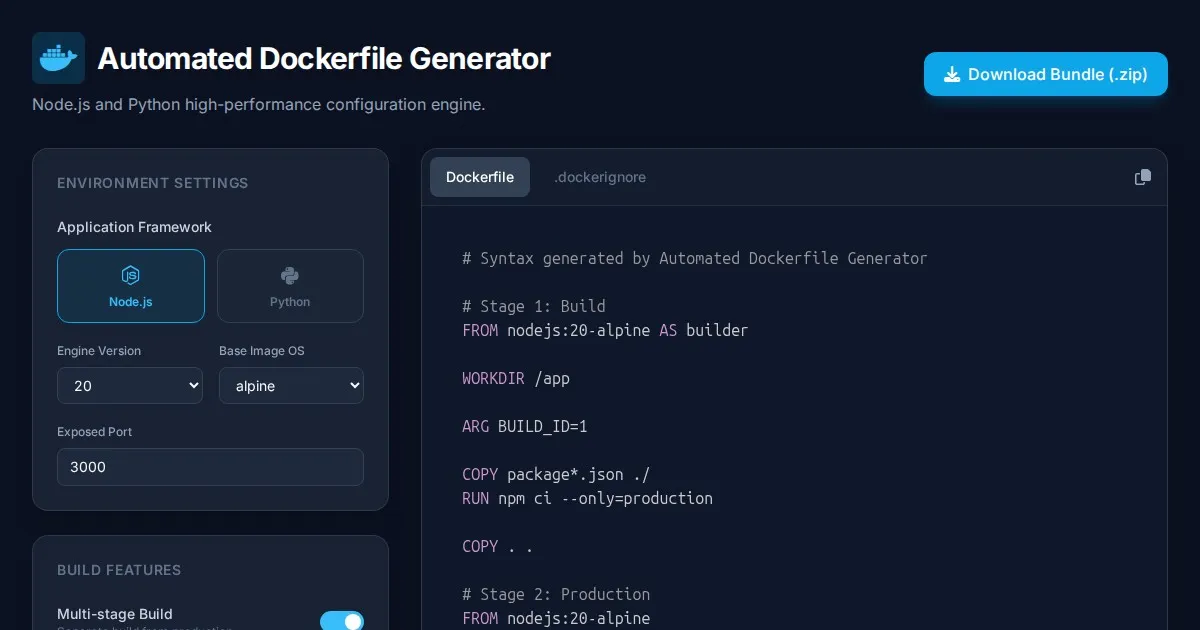
Automated Dockerfile Generator for Node.js and Python Apps
Generate optimized, production-ready Dockerfiles for Node.js and Python applications instantly. Customize base images, port configurations, and dependencies.
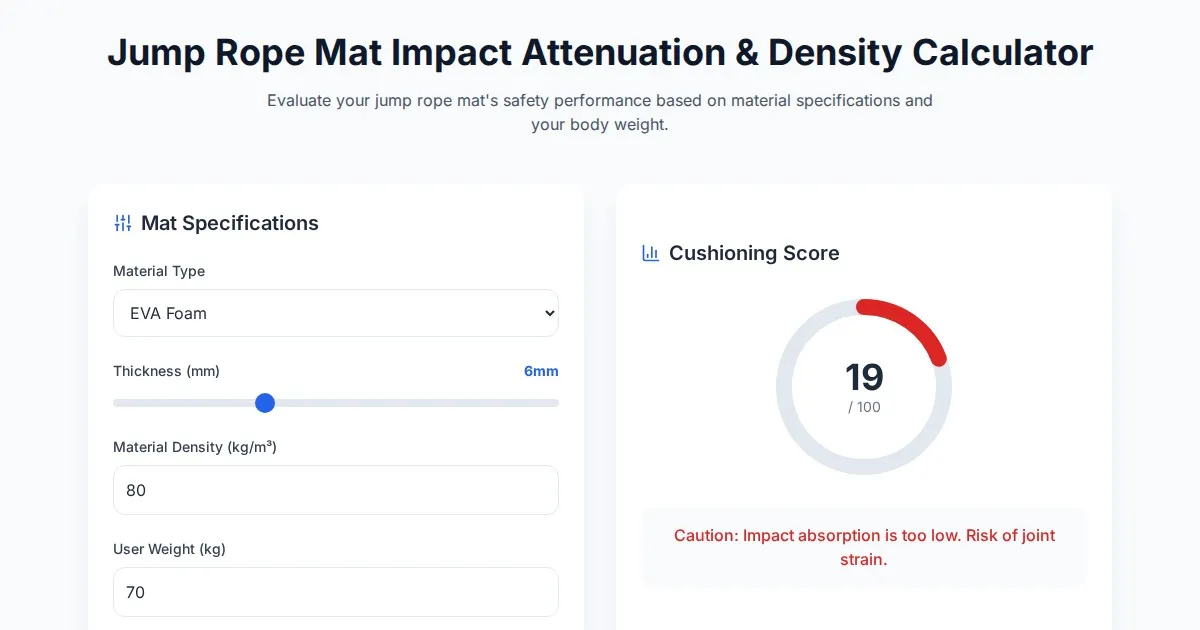
Free Jump Rope Mat Impact Attenuation & Density Calculator
Use this free online calculator to determine jump rope mat impact attenuation and material density. Safely assess if your workout flooring protects your joints.
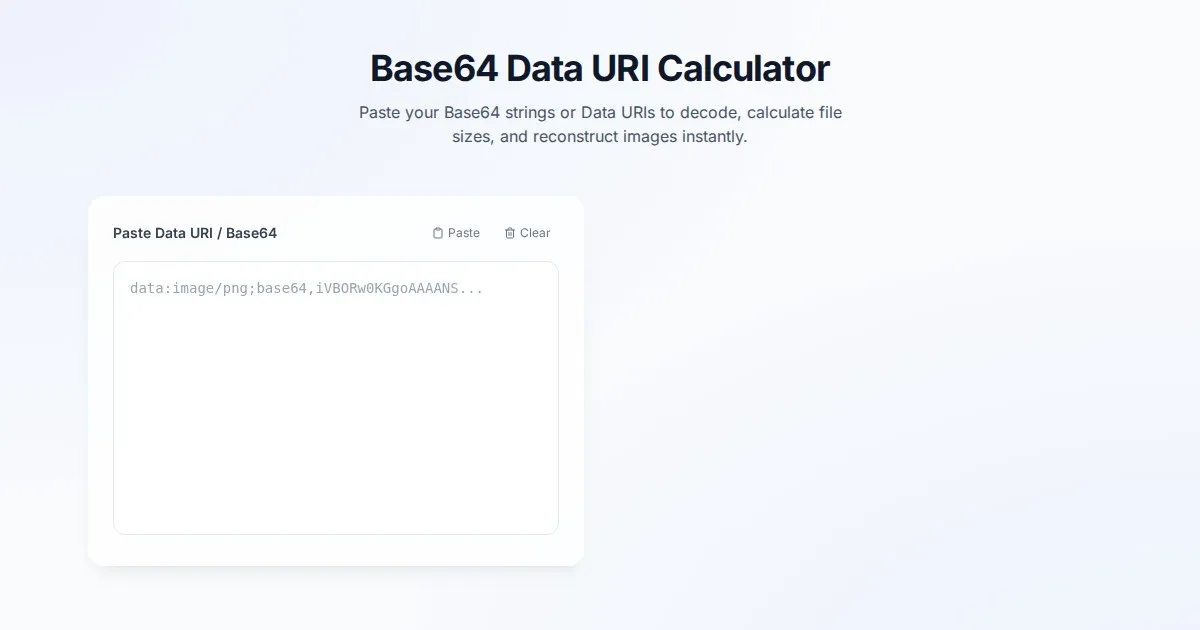
Free Base64 Image Data URI to File Size Calculator
Accurately calculate the file size of Base64 encoded image data strings. This free, web-based tool helps developers estimate binary file sizes for web apps.

Free Online Color Blindness Simulator & Image Filter Tool
Easily simulate color vision deficiencies like protanopia, deuteranopia, and tritanopia. Upload images to test design accessibility for color blindness.
Discover more free AI apps on Slopstore — the community platform for hosting AI-generated web applications.