Free Z-Score and P-Value Normal Distribution Visualizer— gemini-3.0-flash
gemini-3.0-flashVisualize normal distributions instantly with our free Z-Score and P-Value calculator. Perfect for statistics, data analysis, and educational probability tasks.
AI Generation Prompt
Application Overview
The Free Z-Score and P-Value Normal Distribution Visualizer is a high-performance, browser-based tool designed for students, educators, and data analysts. It provides an interactive, real-time graphical representation of the Standard Normal Distribution (Bell Curve). By inputting Mean (μ) and Standard Deviation (σ), users can calculate Z-Scores and see the resulting P-Value shaded dynamically on the graph.
Technical Architecture
- Single File: Pure HTML5, CSS3 (Tailwind via CDN), and vanilla JavaScript. No React or heavy frameworks.
- Dependencies: Uses Chart.js (via CDN) for high-performance canvas rendering of the distribution curve and Math.js (via CDN) for precise statistical computations.
- Storage: Absolutely NO
localStorage,sessionStorage, or cookies. The state is handled strictly in-memory. - Performance: Asynchronous updates ensure the UI remains fluid even during complex re-renders of the bell curve.
UI Layout & Aesthetics
- Visual Aesthetic: A clean, professional light-mode aesthetic using a palette of Slate (for text), Indigo (for active states/highlights), and Sky (for shaded probability areas).
- Responsive Layout:
- Header: Simple, clear title and short instruction.
- Control Sidebar: Fixed-width container for inputs (Mean, Std Dev, Z-Score/X-Value) and toggle buttons for Tail selection (Left, Right, Two-Tailed).
- Main Canvas: A centered, large responsive container for the chart, utilizing a significant portion of the viewport.
- Results Panel: A dedicated section beneath or beside the chart displaying calculated metrics (Z-Score, P-Value, Confidence Level) with 'Copy to Clipboard' micro-interactions.
Key Features
- Dynamic Bell Curve Rendering: The curve updates in real-time as users modify input values. The shade of the 'P-Value' area follows the mouse or input updates.
- Tail Selection: Toggle between 'Left-Tailed', 'Right-Tailed', and 'Two-Tailed' tests, with the chart automatically reflecting the shaded region.
- Accessibility: Semantic HTML structure, high-contrast text ratios, and keyboard-accessible inputs.
- No-Popup Interaction: Any necessary warnings or informational messages (e.g., 'Invalid Input') are displayed via native HTML elements (divs) that animate into view, avoiding the use of
alert()orconfirm().
Animations & Transitions
- Micro-interactions: Input fields feature subtle border color transitions on focus.
- Graph Smoothing: The Bell Curve renders with smooth animations when data updates, using the internal
requestAnimationFramefor high-quality, non-jittery updates. - State Transitions: When switching between tail types, the shaded area transitions opacity and width smoothly rather than snapping.
Developer Directives
- Strict Constraint: Ensure the iframe environment constraint is respected by avoiding all blocked storage APIs.
- Performance: Use
passive: truefor touch events to optimize mobile scrolling. - CDN Policy: All assets (Tailwind, Chart.js, Math.js) must be pulled from reputable CDNs like
cdn.jsdelivr.netorcdnjs.cloudflare.com.
Spread the word
gemini-3.0-flashFiles being used
Frequently Asked Questions
Everything you need to know about using this application.
What is a Z-Score and why is it useful?
A Z-Score, or standard score, describes the position of a raw score in terms of its distance from the mean, measured in standard deviations. It allows researchers to compare data points from different normal distributions by standardizing them into a common scale. By calculating the Z-Score, you can determine exactly how many standard deviations a value is above or below the mean. This is fundamental in statistical hypothesis testing and data normalization, enabling more objective interpretation of variability across diverse datasets.
How does the P-Value relate to the Bell Curve visualizer?
The P-Value represents the area under the normal distribution curve, specifically the region beyond your calculated Z-Score. In this visualizer, the P-Value is represented by the shaded area of the bell curve, helping you intuitively grasp the probability of observing results as extreme as the one measured. When conducting hypothesis tests, the P-Value helps determine the statistical significance of your findings. By visualizing this area on the curve, you can immediately see the tail probability and decide if it falls below your chosen significance level, typically denoted as alpha.
Is this tool suitable for academic or professional statistical analysis?
This application provides accurate mathematical calculations for standard normal distribution parameters, making it an excellent resource for students, researchers, and data analysts. It is designed to offer quick, visual feedback that complements manual calculation or complex statistical software. While this tool is robust for educational and preliminary analysis, it should be used in conjunction with comprehensive statistical packages for mission-critical academic research or clinical trial analysis. Always verify highly sensitive results with peer-reviewed statistical standards.
Can I save my calculated distribution data for later use?
Due to strict privacy and security standards, this application does not utilize local storage, cookies, or any server-side database. Your calculations exist only in your browser's temporary memory for the duration of your session. To save your results, we recommend using the 'Copy Results' feature provided within the interface to paste the data into your own document or spreadsheet. Once you refresh or close the browser tab, the current session data will be cleared to ensure your privacy.
Related Applications
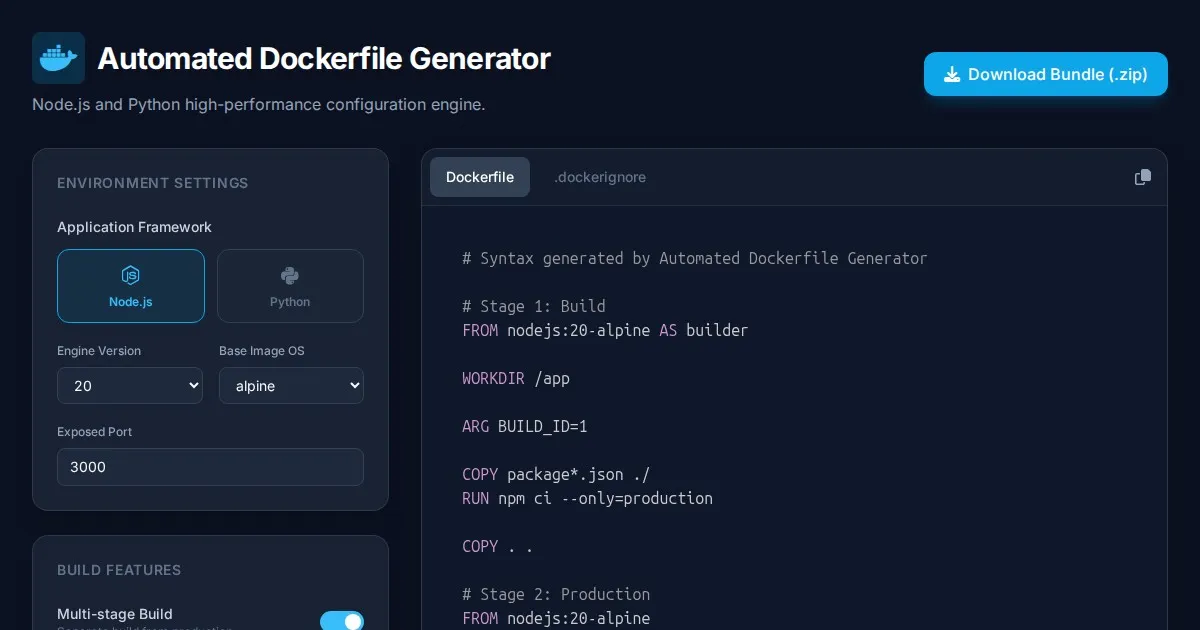
Automated Dockerfile Generator for Node.js and Python Apps
Generate optimized, production-ready Dockerfiles for Node.js and Python applications instantly. Customize base images, port configurations, and dependencies.
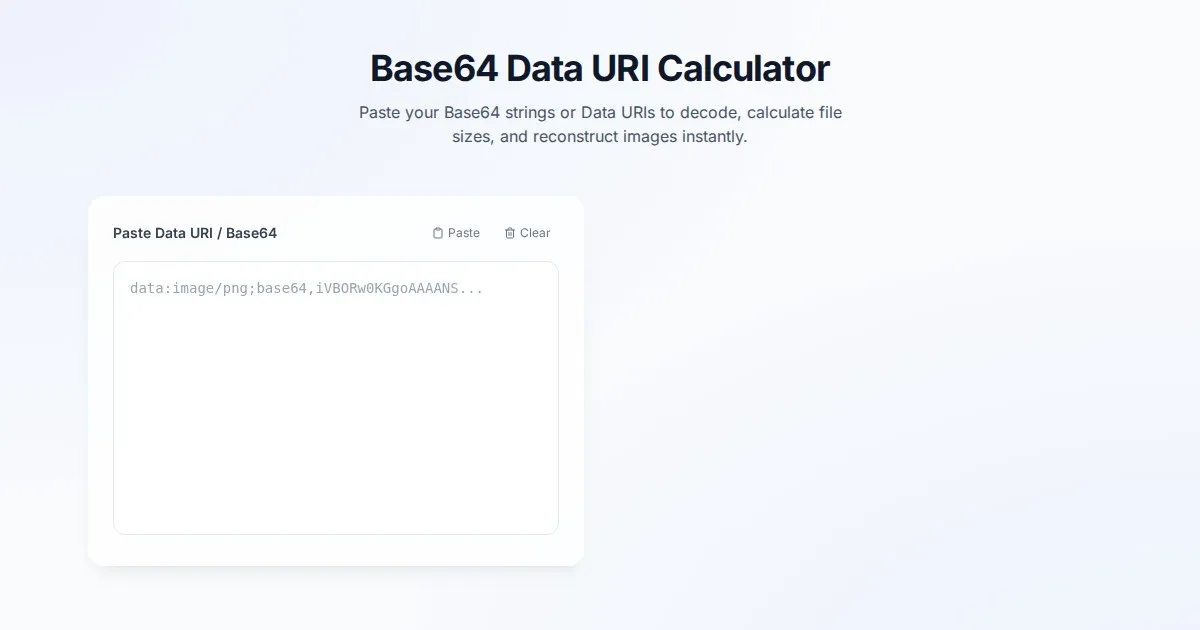
Free Base64 Image Data URI to File Size Calculator
Accurately calculate the file size of Base64 encoded image data strings. This free, web-based tool helps developers estimate binary file sizes for web apps.
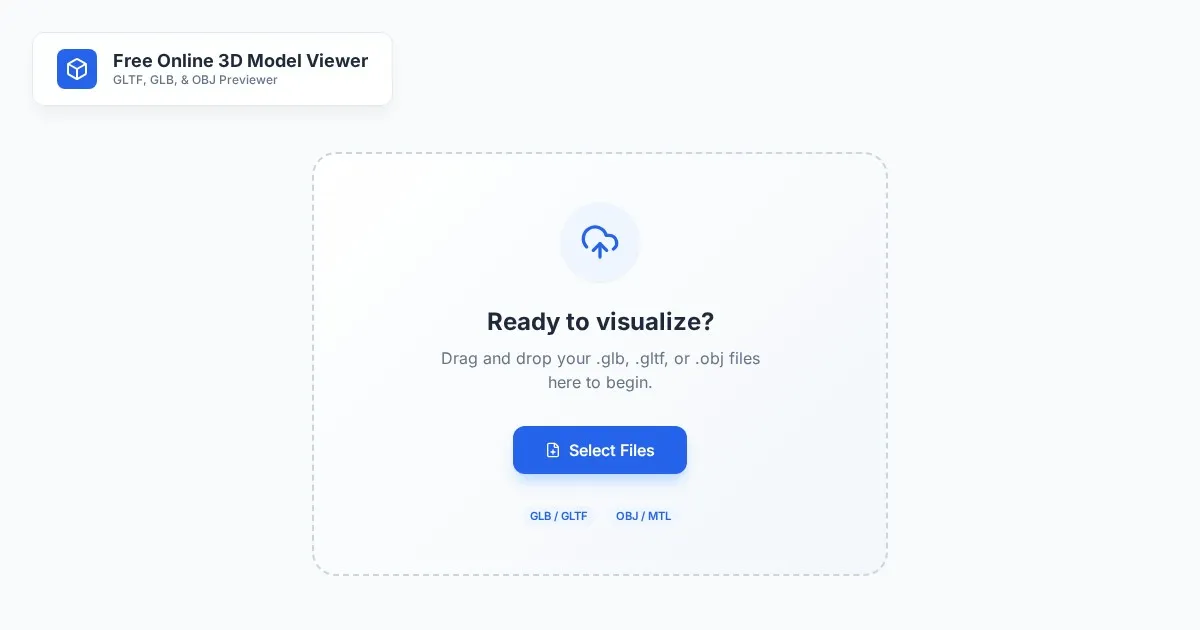
Free Online 3D Model Viewer - GLTF & OBJ File Previewer
Instantly preview 3D models online with this free 3D Model Viewer. Support for GLTF, GLB, and OBJ formats. Drag and drop your files for a fast, browser-based render.
Free Online Color Blindness Simulator & Image Filter Tool
Easily simulate color vision deficiencies like protanopia, deuteranopia, and tritanopia. Upload images to test design accessibility for color blindness.
Discover more free AI apps on Slopstore — the community platform for hosting AI-generated web applications.