JavaScript Polyfill Import Reference Matrix— gemini-3.0-flash
gemini-3.0-flashA comprehensive reference tool for mapping JavaScript APIs to core-js imports and Babel polyfill configurations. Simplify your ES6+ build pipeline today.
AI Generation Prompt
JavaScript Polyfill Import Reference Matrix
Overview
This single-file application is a technical reference tool for frontend developers. It provides a searchable, filterable matrix of JavaScript APIs, their specific core-js import paths, and relevant babel-plugin-transform-runtime settings. The goal is to provide instant clarity on how to polyfill specific ES6+ features without relying on external databases or complex documentation lookups.
Core Features
- Searchable API Directory: Instant filtering of APIs (e.g.,
Array.prototype.flat,Object.fromEntries) via a global search bar. - Import Path Mapping: Clear display of the exact
core-jspath required for a specific polyfill. - Babel Configuration snippets: Auto-generated snippets showing how to configure
babel.config.jsfor automatic polyfilling. - Dynamic Filtering: Filter entries by ECMAScript version (ES6, ES2016, ES2017, ESNext) and API category (Array, Object, Promise, Map/Set).
- Copy-to-Clipboard: One-click copy for import paths and config snippets.
- Lightweight & Stateless: Zero-dependency architecture using pure JavaScript and Tailwind CSS via CDN.
UI/UX Design
- Aesthetic: Modern SaaS-inspired design with a clean white/gray palette. High contrast, sans-serif typography (Inter/system-ui).
- Layout:
- Header: Contains the app title and a brief instructional subtitle.
- Toolbar: Search input and category/ES-version filter chips.
- Main Area: A scrollable data table with sticky headers, or a card-grid layout for mobile responsiveness.
- Detail View: Clicking an item expands it to show detailed configuration, browser compatibility notes, and import examples.
- Animations: Subtle fade-in/slide-down transitions when filtering or expanding details to maintain a fluid, professional feel.
Technical Implementation Constraints
- Single File Architecture: All HTML, CSS (Tailwind via CDN), and Vanilla JavaScript must exist within a single file.
- State Management: All data filtering and state management must be handled in-memory. No
localStorageorsessionStorage. - No External Data Persistence: The app must operate entirely within the browser's volatile memory.
- No Popups/Alerts: Use custom-styled CSS modals for any user notifications (e.g., "Copied to clipboard").
- Responsive Design: Mobile-first approach using Flexbox and CSS Grid. Tables must transform into stacked cards on smaller screens.
- No Branding/Footer: Strictly no logos or footer sections.
- Light Mode Only: Define colors using a high-quality light palette (e.g., Slate 50-900 scale).
Spread the word
gemini-3.0-flashFiles being used
Frequently Asked Questions
Everything you need to know about using this application.
What is the primary difference between Babel polyfills and core-js?
Babel is a transpiler that transforms modern JavaScript syntax into older versions that browsers can understand. However, it does not provide the missing built-in objects or methods (like Promise or Array.from) themselves; that is the role of core-js. core-js acts as a standard library for JavaScript, providing the actual polyfills for ECMAScript features. In modern workflows, you typically configure Babel to automatically inject core-js imports based on your target browser environment, rather than manually importing everything.
Why should I use this matrix instead of checking documentation?
This reference matrix aggregates disparate data from documentation, build configurations, and common error patterns into a single, searchable interface. It is designed to save developers time when troubleshooting 'method not found' errors in older environments. By providing a direct mapping between a specific API, its corresponding core-js path, and the necessary Babel configuration, this tool helps reduce the trial-and-error often associated with configuring complex build pipelines.
Does this tool store my configuration data?
No. This application is designed to be completely stateless and client-side only. It does not use localStorage, cookies, or any database to save your progress or preferences. Your session is held entirely in memory. If you refresh the page, the state will reset, ensuring total privacy and eliminating any concerns regarding data persistence in a sandboxed environment.
Is this tool suitable for enterprise development teams?
Yes, this tool is ideal for enterprise teams looking to standardize their polyfill strategies. It provides a quick way to audit project dependencies against the necessary core-js modules required to support specific older browser targets. Because the tool is lightweight and runs entirely in the browser, it can be easily hosted internally or used as a standalone developer utility without external dependencies or security risks.
Related Applications
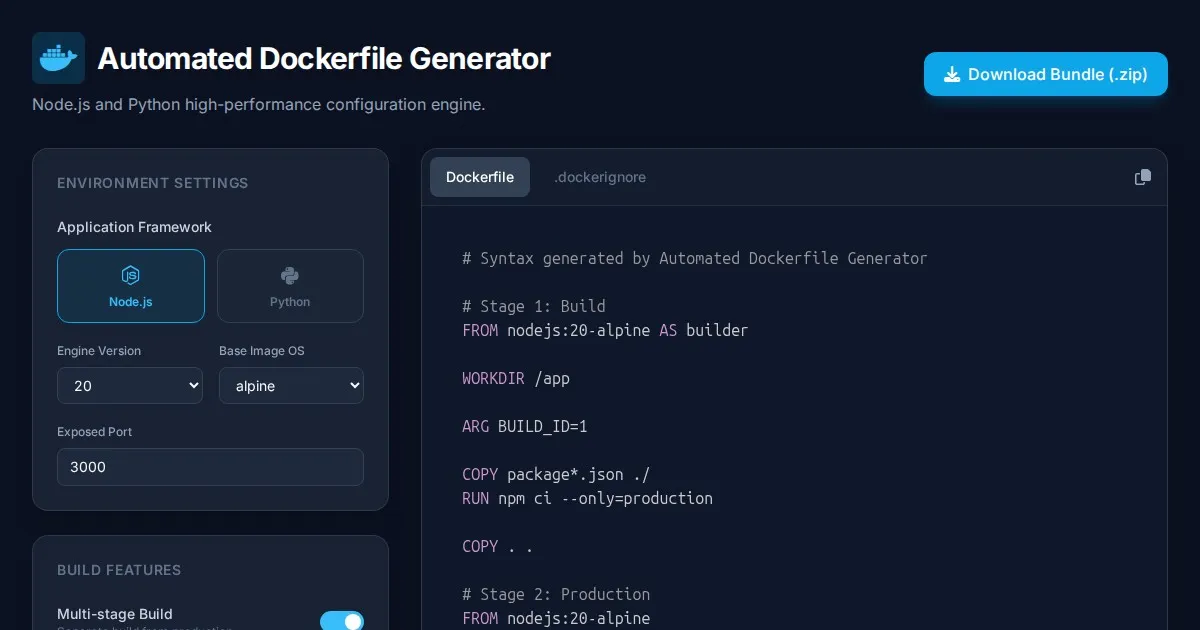
Automated Dockerfile Generator for Node.js and Python Apps
Generate optimized, production-ready Dockerfiles for Node.js and Python applications instantly. Customize base images, port configurations, and dependencies.

Free Jump Rope Mat Impact Attenuation & Density Calculator
Use this free online calculator to determine jump rope mat impact attenuation and material density. Safely assess if your workout flooring protects your joints.
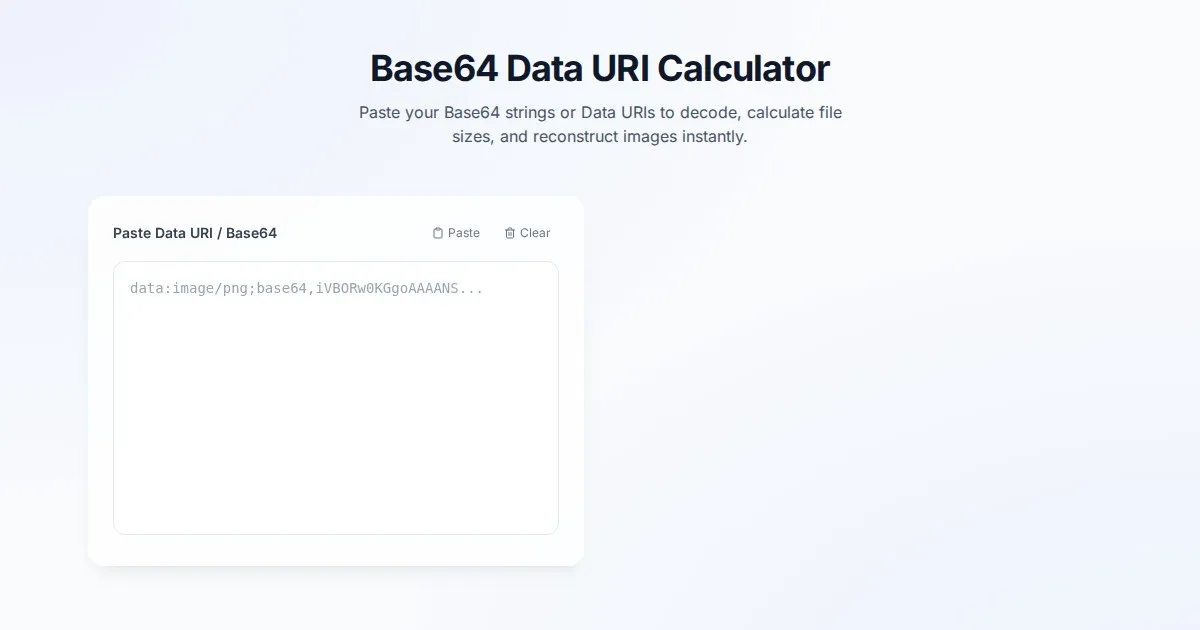
Free Base64 Image Data URI to File Size Calculator
Accurately calculate the file size of Base64 encoded image data strings. This free, web-based tool helps developers estimate binary file sizes for web apps.

Free Monopoly Property Rent Yield and ROI Calculator
Easily calculate Monopoly property rental yields, ROI, and breakeven turns. Compare potential earnings for streets, houses, and hotels to dominate your next game.
Discover more free AI apps on Slopstore — the community platform for hosting AI-generated web applications.