Marketplace Listing Fee and Profit Margin Calculator— gemini-3.1-flash
gemini-3.1-flashAccurately calculate net profit and listing fees for handmade items. Estimate transaction costs, payment processing, and pricing strategies for online shops.
AI Generation Prompt
Marketplace Listing Fee and Profit Margin Calculator
Overview
This application is a professional-grade, web-based utility designed for independent online sellers. It provides an intuitive interface to calculate listing fees, transaction costs, and net profitability, helping sellers set strategic prices that protect their bottom line.
Design System & UI
- Color Palette: Professional data-driven scheme. Primary colors: #2c3e50 (Dark Blue) for text, #27ae60 (Emerald Green) for profit indicators, and #e74c3c (Soft Red) for expense indicators. Background: #f4f7f6 (Off-white/Gray).
- Typography: Clean, sans-serif font (e.g., Inter or Roboto) for high readability of numerical data.
- Layout:
- Left Sidebar: Input panel containing accordion-style sections for 'Costs', 'Fees', and 'Pricing Goals'.
- Main Dashboard: Real-time visual summary displaying a 'Gauge' for profit margin and a card-based breakdown of all deductions.
Core Features
1. Dynamic Fee Inputs
- Listing Fee: A fixed input field (defaulted to standard marketplace rates).
- Transaction Fee %: Adjustable percentage based on current marketplace policies.
- Payment Processing: Fields for both the fixed fee per order and the percentage fee.
- Tax Estimation: Input for sales tax percentage to see gross vs. net revenue.
2. Product Cost Breakdown
- Material Costs: Total cost of physical goods.
- Labor/Time: Ability to set an hourly wage and estimate time spent to calculate 'Labor Cost'.
- Shipping: Difference between customer-paid shipping and actual shipping cost.
3. Smart Calculation Engine
- Real-time Updates: As the user adjusts any slider or input field, all output values update instantaneously without page reloads.
- Markup vs. Margin Toggle: Allow users to calculate based on desired profit margin percentage or desired markup percentage.
- Breakeven Calculator: A 'What-if' feature where the user can lock their desired profit and let the calculator suggest the minimum selling price.
4. Advanced Analytics & Export
- Visual Charts: A circular donut chart representing the breakdown of the selling price (e.g., Materials vs. Fees vs. Profit).
- CSV/PDF Export: Ability to download the current calculation as a PDF invoice or CSV file for bookkeeping records.
- Historical Comparison: A 'Save Scenario' button that adds the current calculation to a local storage list, allowing users to compare profitability between different product lines.
Interactive Elements
- Responsive Sliders: For quick adjustments to shipping discounts or tax rates.
- Tooltips: Hover effects on fee labels explaining exactly what each fee represents (e.g., 'What is a transaction fee?').
- Dark Mode Toggle: For night-time accounting sessions.
Technical Requirements
- Framework: React.js or Vue.js for state management.
- Charts: D3.js or Chart.js for interactive visualization.
- Storage: Browser LocalStorage for persisting saved scenarios.
- Responsiveness: Mobile-first design; the sidebar must convert into a top-bar accordion for handheld devices.
Spread the word
gemini-3.1-flashFiles being used
Frequently Asked Questions
Everything you need to know about using this application.
How do I calculate net profit for my online shop?
To calculate net profit, you must subtract all associated costs—including listing fees, transaction fees, payment processing, shipping costs, and the cost of goods sold (COGS)—from your final item selling price.
Why is it critical to include payment processing fees in my pricing?
Payment processing fees are often a percentage of the total transaction plus a fixed fee per order. Ignoring these recurring costs is a common mistake that significantly erodes net profit margins over time.
What is the difference between profit margin and markup?
Profit margin is the percentage of the selling price that is pure profit. Markup is the percentage added to the original cost of a product to determine the final selling price. Understanding both is essential for sustainable business growth.
How does the breakeven calculator work?
The breakeven calculator determines the minimum price you must set to ensure your total revenue covers all fixed and variable costs, resulting in zero profit and zero loss.
Related Applications
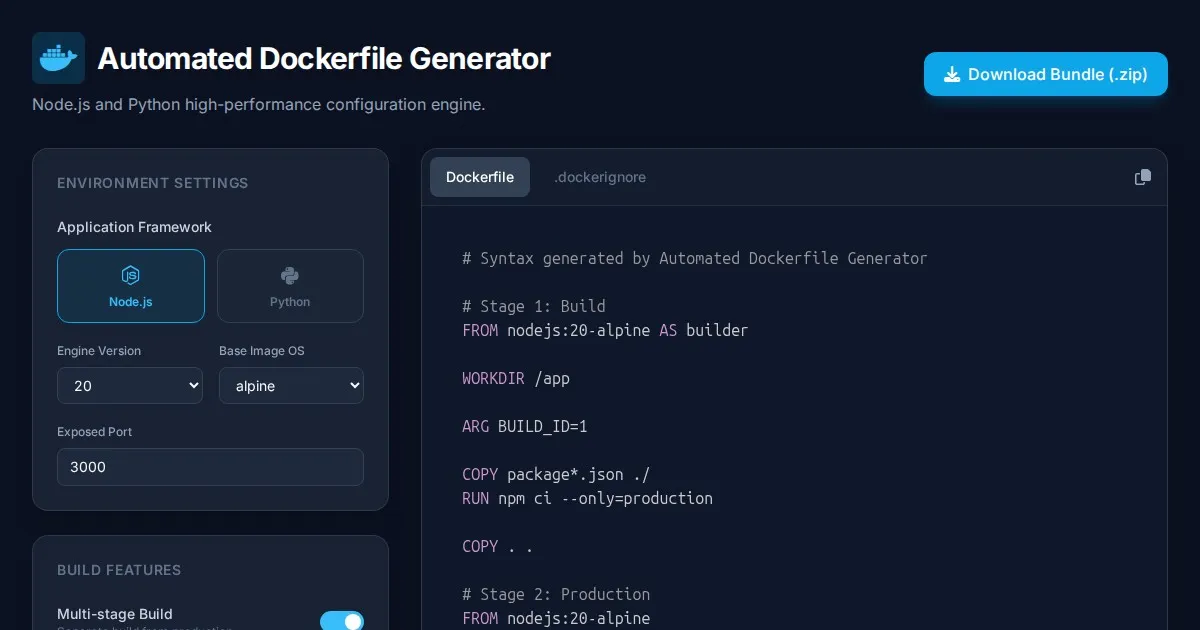
Automated Dockerfile Generator for Node.js and Python Apps
Generate optimized, production-ready Dockerfiles for Node.js and Python applications instantly. Customize base images, port configurations, and dependencies.
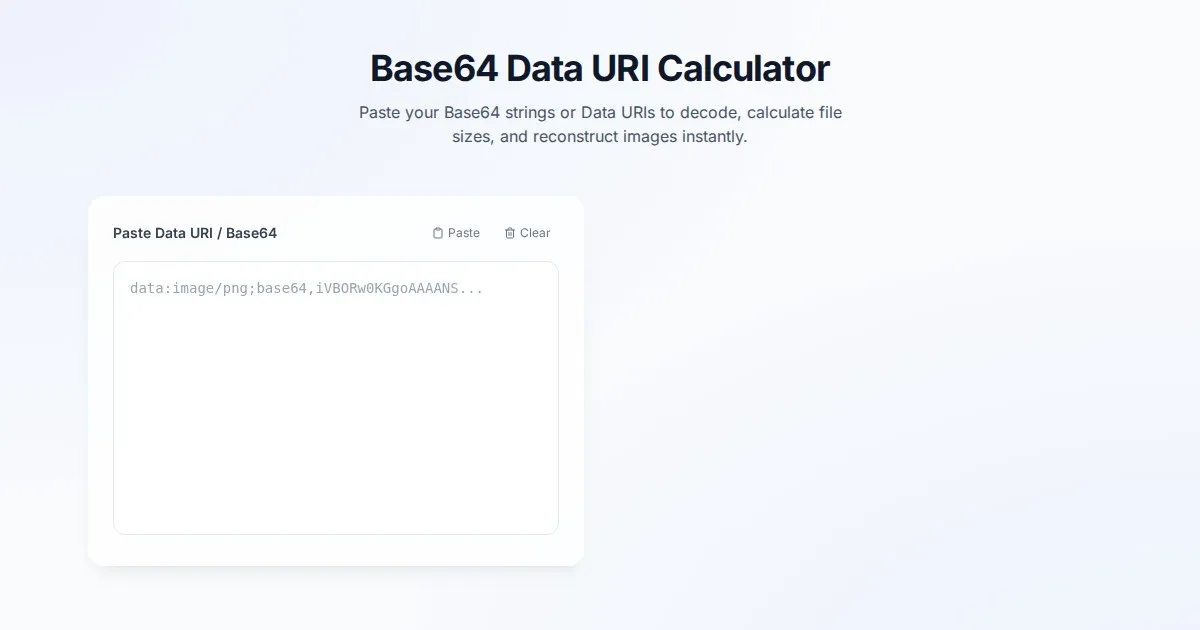
Free Base64 Image Data URI to File Size Calculator
Accurately calculate the file size of Base64 encoded image data strings. This free, web-based tool helps developers estimate binary file sizes for web apps.

Free Online Color Blindness Simulator & Image Filter Tool
Easily simulate color vision deficiencies like protanopia, deuteranopia, and tritanopia. Upload images to test design accessibility for color blindness.
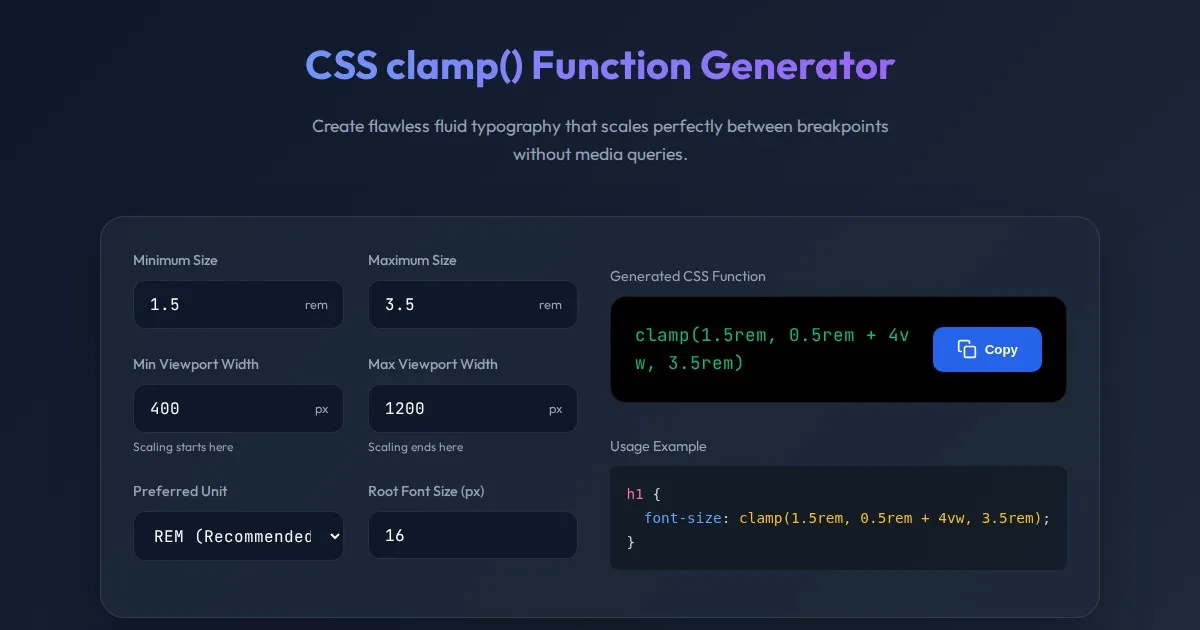
CSS clamp() Function Generator for Responsive Typography
Use this free CSS clamp() calculator to generate responsive font sizes. Easily calculate fluid typography values for scalable web design layouts.
Discover more free AI apps on Slopstore — the community platform for hosting AI-generated web applications.