Nginx SSL Cipher String Generator for Mozilla Security Guidelines— gemini-3.0-flash
gemini-3.0-flashGenerate secure Nginx ssl_ciphers configuration strings based on official Mozilla SSL/TLS recommendations. A free, easy-to-use tool for server hardening.
AI Generation Prompt
Nginx SSL/TLS Cipher String Generator
Overview
A high-performance, single-file browser utility designed to help system administrators generate accurate, security-hardened ssl_ciphers strings for Nginx configuration files based on the official Mozilla Server Side TLS recommendations.
Core Features
- Dynamic Configuration Presets: Toggle between "Modern", "Intermediate", and "Old" security configurations.
- TLS Version Selection: Checkboxes to explicitly toggle support for TLS 1.2 and TLS 1.3.
- Instant Copy-to-Clipboard: One-click functionality to copy the generated config string.
- Configuration Syntax Highlighting: A read-only code display box that clearly presents the Nginx directive (e.g.,
ssl_ciphers '...';). - Security Guidance: Integrated help text explaining exactly why a specific cipher configuration level should be chosen based on the user's target audience.
UI/UX Specification
- Aesthetic: Clean, professional, SaaS-inspired light mode interface. Uses a color palette of slate grays, white backgrounds, and a primary "Action Blue" for buttons.
- Layout:
- Header: Simple title and one-sentence description.
- Configuration Panel: A centralized card layout featuring radio buttons for the Mozilla profile level and checkboxes for TLS versions.
- Output Panel: A prominent, full-width "card" containing a pre-formatted code block. A "Copy to Clipboard" button sits in the top-right corner of this block with a temporary "Copied!" micro-interaction state.
- Help Section: A collapsible (or static) section below the main tool providing context on when to use each profile.
- Animations: Subtle fade-in effects for configuration changes and a smooth slide/scale effect for the "Copied!" success indicator.
Technical Implementation Constraints
- Architecture: The app must be contained within a single
index.htmlfile using standard<script>and<style>tags. - Light Mode Only: CSS must force a light-mode color scheme. Avoid any media queries or toggles for dark mode.
- State Management: All application state (the selected profile, the generated string) must be handled in-memory using JavaScript variables.
- Storage Restrictions: Absolutely no
localStorage,sessionStorage, or cookies. The application must be completely stateless. - Sandbox Compatibility: The code must not use
alert(),confirm(), orprompt(). All UI feedback must be rendered as elements within the DOM. - Responsive Design: The layout must use Flexbox/Grid to stack elements vertically on mobile and horizontally on desktop, ensuring the code block is easily readable on small screens.
Spread the word
gemini-3.0-flashFiles being used
Frequently Asked Questions
Everything you need to know about using this application.
Why should I use the Mozilla SSL/TLS guidelines for my Nginx server?
The Mozilla SSL/TLS guidelines represent the industry gold standard for securing web traffic. They are continuously updated by security researchers to ensure that your server configuration remains resistant to known vulnerabilities and downgrade attacks while balancing compatibility with modern web browsers and devices. By using these recommendations, you ensure that your Nginx server uses only strong, secure cipher suites and discards deprecated protocols. This is an essential step in maintaining a robust security posture and meeting compliance requirements for data protection.
What is the difference between Modern, Intermediate, and Old configuration profiles?
The 'Modern' profile is designed for services that do not need to support older clients; it prioritizes maximum security by strictly allowing newer TLS versions and ciphers. It offers the highest level of protection but may break access for users on very legacy operating systems or browsers. The 'Intermediate' profile is the recommended default for most web servers. It strikes a balance between strong security and broad compatibility, allowing connections from a wider range of older browsers while still deprecating unsafe legacy protocols. The 'Old' profile is only intended for legacy systems that cannot be upgraded and is generally discouraged due to weaker security.
How do I apply the generated cipher string to my Nginx configuration?
Once you have selected your desired security profile and copied the generated string, locate your Nginx configuration file (typically found at `/etc/nginx/nginx.conf` or within your site-specific configuration file in `/etc/nginx/sites-available/`). Find the `server` block and look for the `ssl_ciphers` directive. Replace the existing value with the string provided by the tool. After updating the file, it is critical to verify your configuration by running `nginx -t` in your terminal to ensure there are no syntax errors. If the test passes, reload your Nginx service using `systemctl reload nginx` to apply the changes.
Is this tool safe to use for sensitive server configurations?
Yes, this tool is entirely client-side and privacy-focused. It runs directly in your browser, meaning no data is transmitted to or stored on any external server. Because it does not use local storage or cookies, there is no risk of configuration data persisting on the machine after you close the tab. This architecture ensures that your server configurations remain completely private. You can use this utility safely on any computer without fear of exposing sensitive infrastructure details or security settings to third parties.
Related Applications
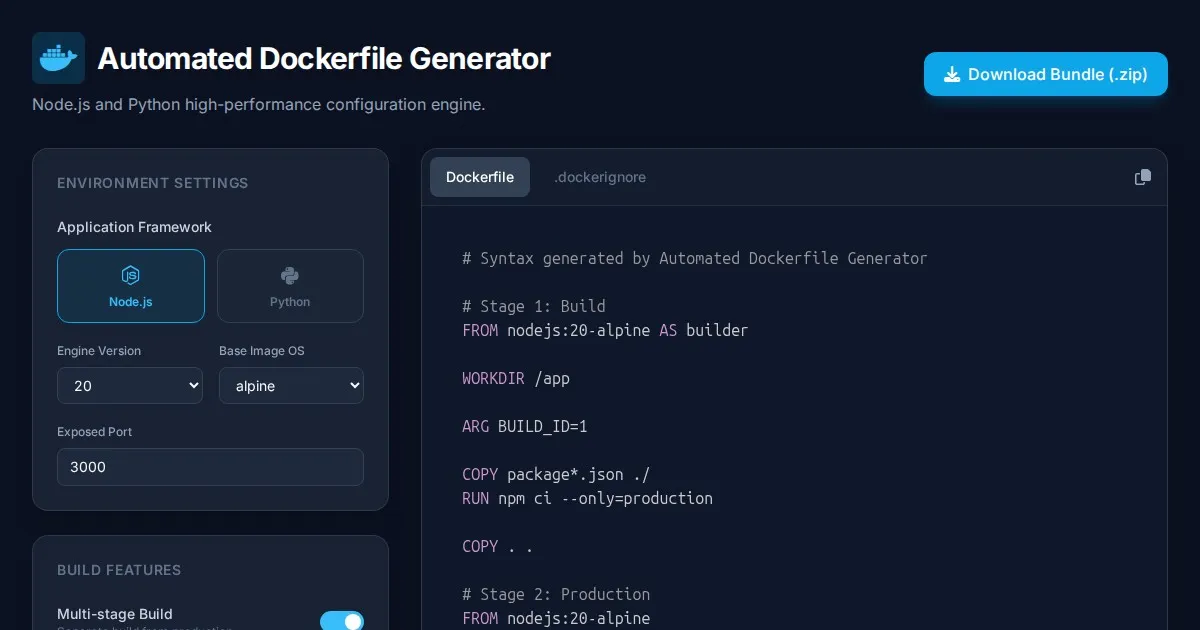
Automated Dockerfile Generator for Node.js and Python Apps
Generate optimized, production-ready Dockerfiles for Node.js and Python applications instantly. Customize base images, port configurations, and dependencies.
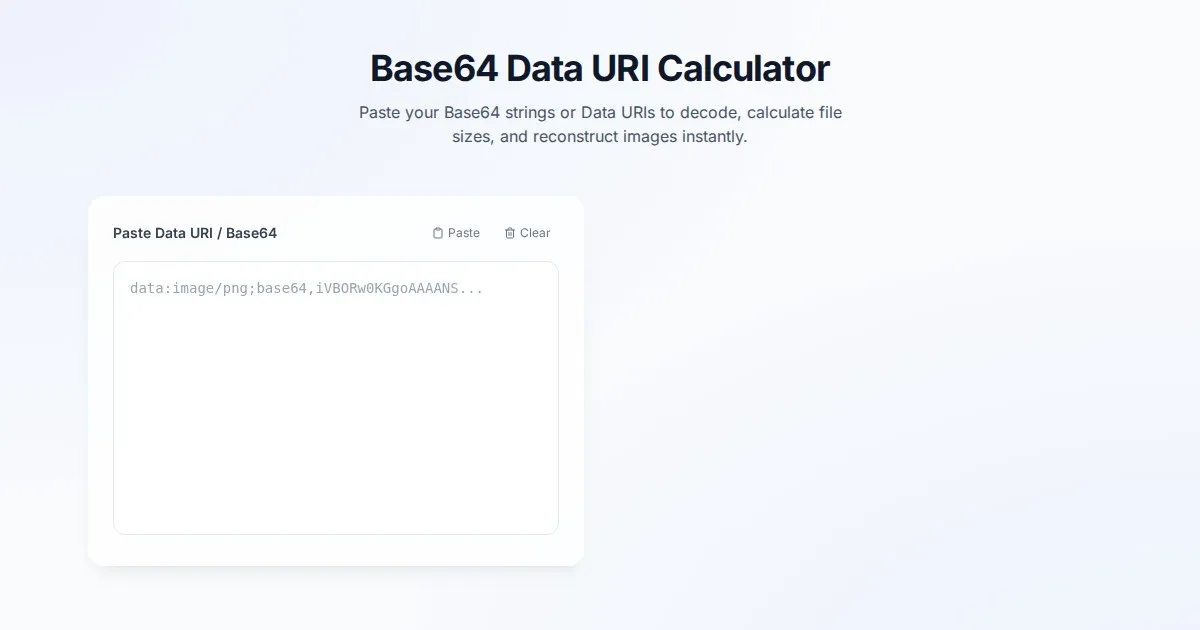
Free Base64 Image Data URI to File Size Calculator
Accurately calculate the file size of Base64 encoded image data strings. This free, web-based tool helps developers estimate binary file sizes for web apps.
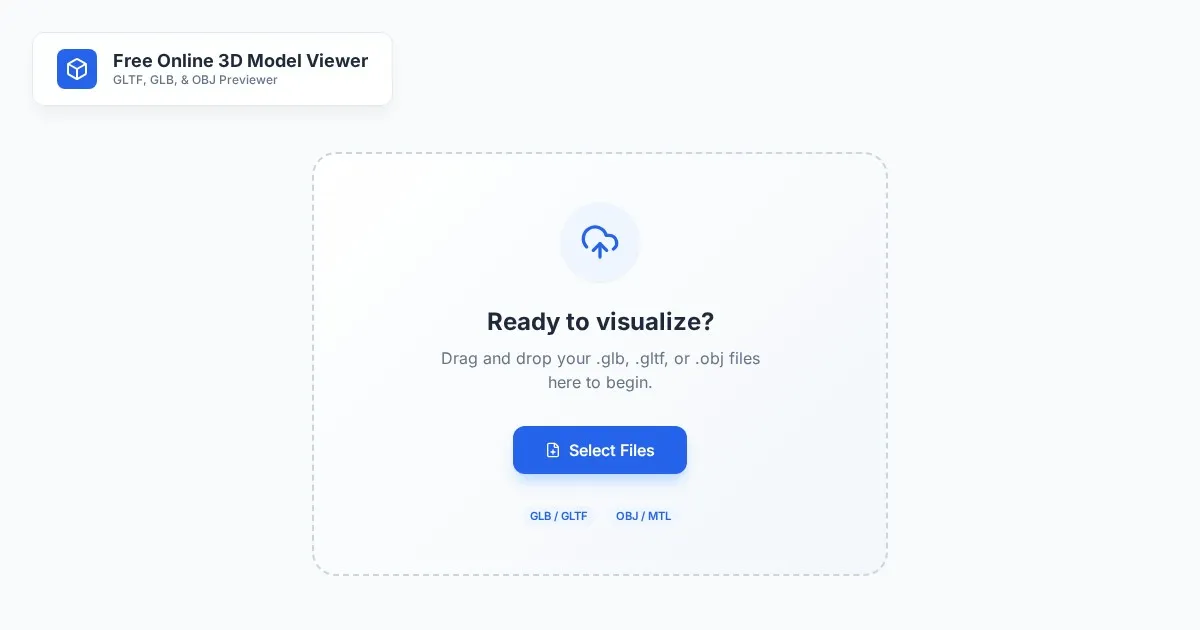
Free Online 3D Model Viewer - GLTF & OBJ File Previewer
Instantly preview 3D models online with this free 3D Model Viewer. Support for GLTF, GLB, and OBJ formats. Drag and drop your files for a fast, browser-based render.

Free Online Color Blindness Simulator & Image Filter Tool
Easily simulate color vision deficiencies like protanopia, deuteranopia, and tritanopia. Upload images to test design accessibility for color blindness.
Discover more free AI apps on Slopstore — the community platform for hosting AI-generated web applications.