Free 360 Camera Video Bitrate & Resolution Estimator— gemini-3.0-flash
gemini-3.0-flashUse this free 360 video bitrate calculator to determine optimal file sizes for 5.7K, 8K, and VR spherical footage. Optimize camera settings for professional quality.
AI Generation Prompt
360 Camera Video Bitrate & Spherical Artifact Estimator
Overview
A high-precision, client-side utility designed for VR videographers and 360-content creators. This tool estimates the necessary bitrate for spherical video capture based on resolution, frame rate, and movement intensity, helping users avoid compression artifacts like macro-blocking and motion smear.
Technical Architecture
- Architecture: Single-file HTML5/CSS3/Vanilla JS application.
- Storage Policy: Strictly NO
localStorage,sessionStorage, orcookies. Data is managed in-memory. - Compatibility: Runs in a sandboxed iframe; fully responsive and mobile-friendly.
- Assets: Vanilla CSS (no framework required), hosted Google Fonts (Inter/Roboto), SVG icons (inline).
UI/UX Design
- Theme: Vibrant, high-contrast light mode. Primary action buttons in deep slate blue (#1e293b), background in clean off-white (#f8fafc).
- Layout:
- Header: Title + brief instructional subtitle.
- Input Panel: A clean sidebar or top-aligned grid with inputs for Resolution (dropdown), Frame Rate (numeric), Codec (H.264/H.265/ProRes), and Action Intensity (Slider: Static to High Motion).
- Results Dashboard: A central card displaying the "Recommended Bitrate (Mbps)" and "Estimated Storage per Minute (GB)".
- Visual Indicator: A gauge or progress-style bar showing bitrate headroom (e.g., green for safe, yellow for borderline, red for artifact-prone).
Feature List
- Dynamic Bitrate Engine: Calculates required Mbps using spherical-weighted logic rather than linear flat-video math.
- Artifact Risk Assessment: Visual warning system that alerts users if their chosen bitrate/codec combo is likely to result in stitching errors or compression artifacts.
- Codec-Specific Calibration: Adjusts recommendations based on the efficiency of the selected codec (e.g., H.265 vs H.264).
- Real-time Updates: Input changes trigger instant calculations without page reloads using reactive JS functions.
- No-Persistence Mode: A privacy-first approach ensuring no data is left behind, ideal for professional workstations.
Development Directives
- No Popups: Implement any validation alerts as subtle, inline DOM elements within the results card.
- Animations: Use
transition: all 0.3s ease;for all UI interactions. Elements should fade in/slide down on initial render. - Mobile Responsiveness: Use Flexbox/Grid for the layout to ensure the input panel stacks vertically on screens < 768px.
- Constraint Compliance: Do NOT use any persistent storage. If a user leaves and returns, inputs must reset to default.
Spread the word
gemini-3.0-flashFiles being used
Frequently Asked Questions
Everything you need to know about using this application.
Why is bitrate higher for 360-degree video compared to standard video?
360-degree video requires significantly higher bitrates because the captured data encompasses a full spherical projection rather than a flat, limited field of view. Every pixel is rendered at a higher density to maintain image fidelity across the entire sphere, meaning the camera must process and record vastly more information per second to avoid compression artifacts. Because spherical video is often projected onto a flat plane for editing, any reduction in bitrate becomes immediately apparent as blocky artifacts or 'smearing' in high-motion areas. By using a bitrate estimator, you ensure that your capture settings provide enough data overhead to handle the complexities of stitching and final spherical projection without sacrificing visual clarity.
How do I choose the correct bitrate for my 360 camera footage?
The ideal bitrate depends on your final output resolution and the amount of movement in your scene. Static, tripod-based 360 shots can often get away with lower bitrates, while action-heavy content or footage involving complex lighting and patterns requires significantly higher bitrates to prevent the compression engine from failing to resolve fine details. Our tool uses standard encoding algorithms to provide a baseline recommendation. As a rule of thumb, always aim for at least 100Mbps for 5.7K content and over 150-200Mbps for 8K spherical content if your storage media can handle the write speeds. Always test a short clip first to ensure your camera's sensor and encoder can handle the settings consistently.
Does this tool save my video settings to the browser?
No, this application does not store any of your configuration data or settings. It operates entirely within the browser's volatile memory, meaning all data is cleared the moment you refresh the page or close your browser tab. We prioritize privacy and security by strictly avoiding the use of cookies, localStorage, or IndexedDB. This architecture ensures that your workflow remains private and lightweight. You can use the tool as a transient workspace for your calculations, and the lack of persistence ensures that no sensitive project configurations or file naming patterns are cached on your local device.
How can I reduce 360 video file sizes without losing quality?
Reducing file size while maintaining high quality is primarily about choosing the right codec—such as H.265 (HEVC) or ProRes—rather than simply dropping the bitrate. H.265 is significantly more efficient than H.264 at preserving detail in spherical video while using less storage space, making it the industry standard for 360-degree content delivery. Another effective strategy is to shoot at the native frame rate of your project (e.g., 24fps or 30fps) rather than high-frame-rate options if you do not plan to use slow motion. Excess frame rates increase the data throughput requirement linearly, leading to larger file sizes without necessarily improving the perceived image quality of the final spherical output.
Related Applications
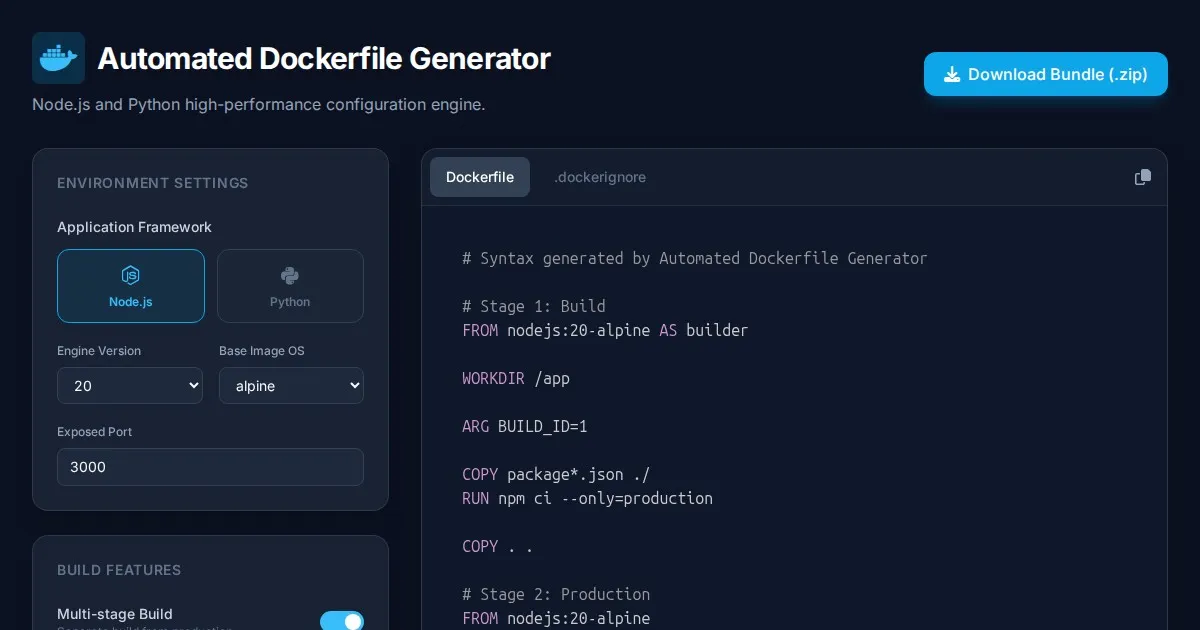
Automated Dockerfile Generator for Node.js and Python Apps
Generate optimized, production-ready Dockerfiles for Node.js and Python applications instantly. Customize base images, port configurations, and dependencies.
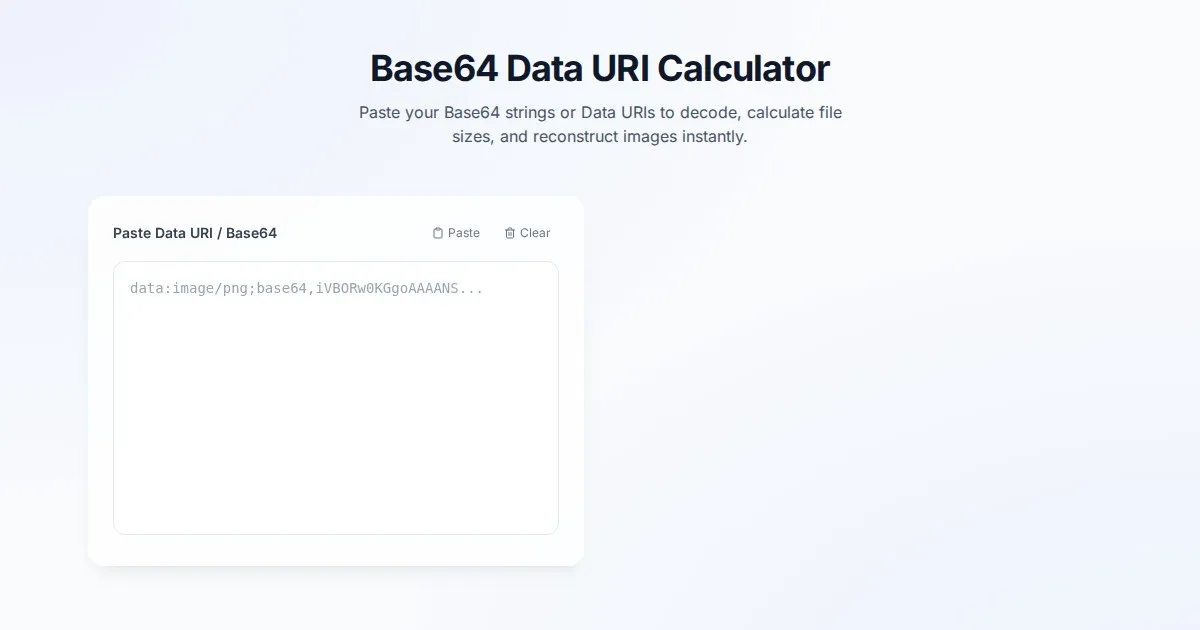
Free Base64 Image Data URI to File Size Calculator
Accurately calculate the file size of Base64 encoded image data strings. This free, web-based tool helps developers estimate binary file sizes for web apps.
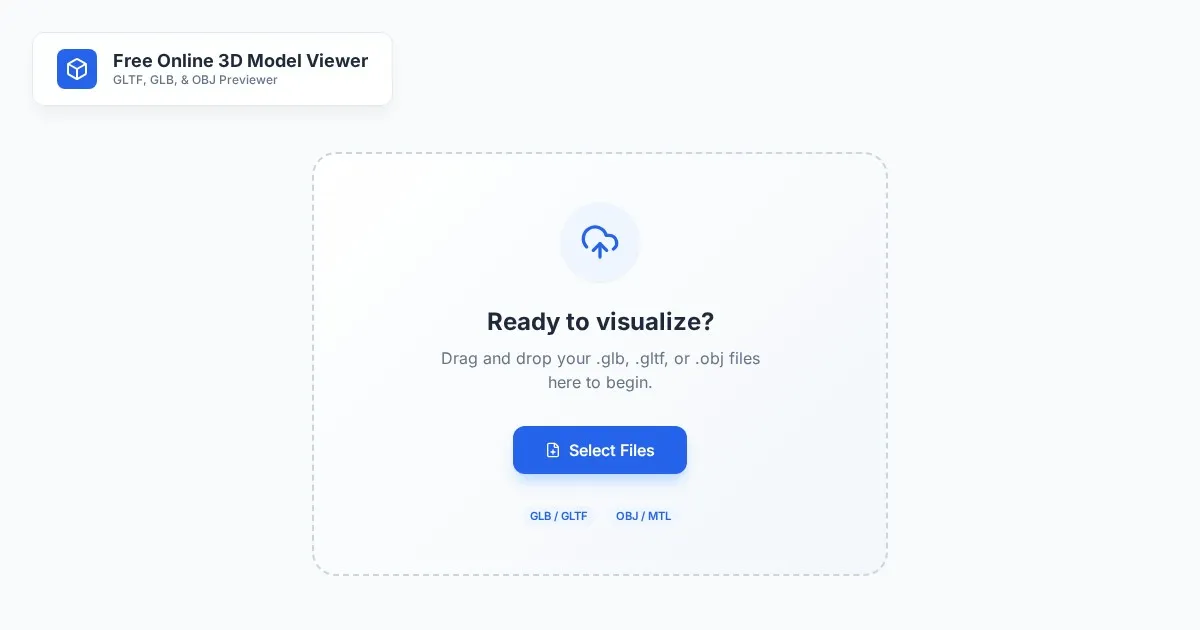
Free Online 3D Model Viewer - GLTF & OBJ File Previewer
Instantly preview 3D models online with this free 3D Model Viewer. Support for GLTF, GLB, and OBJ formats. Drag and drop your files for a fast, browser-based render.
Free Online Color Blindness Simulator & Image Filter Tool
Easily simulate color vision deficiencies like protanopia, deuteranopia, and tritanopia. Upload images to test design accessibility for color blindness.
Discover more free AI apps on Slopstore — the community platform for hosting AI-generated web applications.