Free Online XML Sitemap Index Generator— gemini-3.0-flash
gemini-3.0-flashGenerate a valid XML sitemap index file by combining multiple sitemap URLs. A fast, browser-based, and private tool for SEO optimization and web indexing.
AI Generation Prompt
Sitemap Index Generator
Overview
A clean, efficient, client-side utility that allows webmasters to combine multiple individual sitemap URLs into a valid XML sitemap index format. This tool is designed for speed, privacy, and ease of use, operating 100% in the browser.
Functional Features
- Dynamic URL Management: Users can add or remove input fields for sitemap URLs dynamically.
- Real-Time Validation: Simple regex-based validation to ensure inputs look like valid URLs (http/https).
- Instant XML Generation: As the user types, the output code block updates in real-time.
- Copy & Download: One-click copy to clipboard functionality and a 'Download as .xml' button.
- Auto-Format: The generated XML is clean, indented, and follows standard XML header definitions.
UI/UX Design
- Layout Structure:
- Header: Simple, centered title with a brief descriptive subtitle.
- Input Section: A list of input groups, each with a text field (placeholder: 'https://example.com/sitemap-1.xml') and a 'Remove' button. A 'Add Sitemap' button is located below the list.
- Controls: A primary 'Generate Index' button (if not auto-generating) and a clear 'Clear All' button.
- Output Area: A fixed-height container with a monospaced font, displaying the generated XML syntax. A prominent 'Copy to Clipboard' button is anchored to the top-right of this container.
- Color Palette:
- Primary: Indigo-600 (Actions/Buttons)
- Secondary: Slate-500 (Text/Labels)
- Background: Slate-50 (Neutral light mode)
- Surface: White (Cards/Containers)
- Accent: Emerald-500 (Success states/Copy success)
- Transitions: Smooth fade-in for new input rows and subtle background highlighting on hover for buttons.
Technical Implementation Constraints
- Single File: All HTML, CSS, and Vanilla JS must reside in one single file. Use CDNs for Tailwind CSS and a lightweight icon library (e.g., Phosphor or Lucide).
- In-Memory Logic: State must be managed via standard JS variables. Do NOT use
localStorage,sessionStorage, or cookies to preserve the inputs. - Performance: Use
document.createElementfor adding rows to ensure smooth UI performance. - Security: Ensure all dynamic content in the output block is escaped to prevent XSS (even though it's client-side).
- No Alerts/Prompts: Use a custom-built, lightweight Modal component for errors (e.g., 'Invalid URL detected') or confirmation dialogues.
- Responsive: Input fields should stack on mobile and expand on desktop environments.
Spread the word
gemini-3.0-flashFiles being used
Frequently Asked Questions
Everything you need to know about using this application.
What is a sitemap index file and why do I need one?
A sitemap index file is a master XML file that lists multiple individual sitemap files. It is primarily used when your website has more than 50,000 URLs or your sitemap file size exceeds 50MB, which are the limits set by search engines like Google and Bing. By using a sitemap index, you can effectively manage and submit large-scale content structures to search engines. It allows you to organize your site content into logical categories—such as products, blog posts, or category pages—while ensuring all URLs are crawled efficiently.
Does this tool store my website URLs or sitemap data?
This application operates entirely on your device within your browser. We do not transmit your data to any server, nor do we store any information in local storage or cookies. Once you close your browser tab or refresh the page, all your input data is permanently cleared. You can use this tool with complete confidence regarding the privacy and security of your website structure and URL data.
How do I add the generated sitemap index to my website?
Once you have generated your sitemap index XML code, copy the output and save it as a file named 'sitemap-index.xml' (or your preferred name). Upload this file to the root directory of your web server. After uploading, log in to your Google Search Console or Bing Webmaster Tools account. Navigate to the Sitemaps section and submit the URL to your newly uploaded sitemap index file (e.g., https://example.com/sitemap-index.xml) for indexing.
Is there a limit to how many sitemaps I can combine?
Technically, this tool allows you to add as many input rows as your browser can handle. However, the official XML sitemap protocol limits a sitemap index file to a maximum of 50,000 child sitemaps. If you have a massive enterprise-level website, we recommend grouping your URLs logically. Ensure that your individual sitemaps do not exceed the size or URL count limits specified by major search engine guidelines to guarantee successful processing.
Related Applications

Automated Dockerfile Generator for Node.js and Python Apps
Generate optimized, production-ready Dockerfiles for Node.js and Python applications instantly. Customize base images, port configurations, and dependencies.
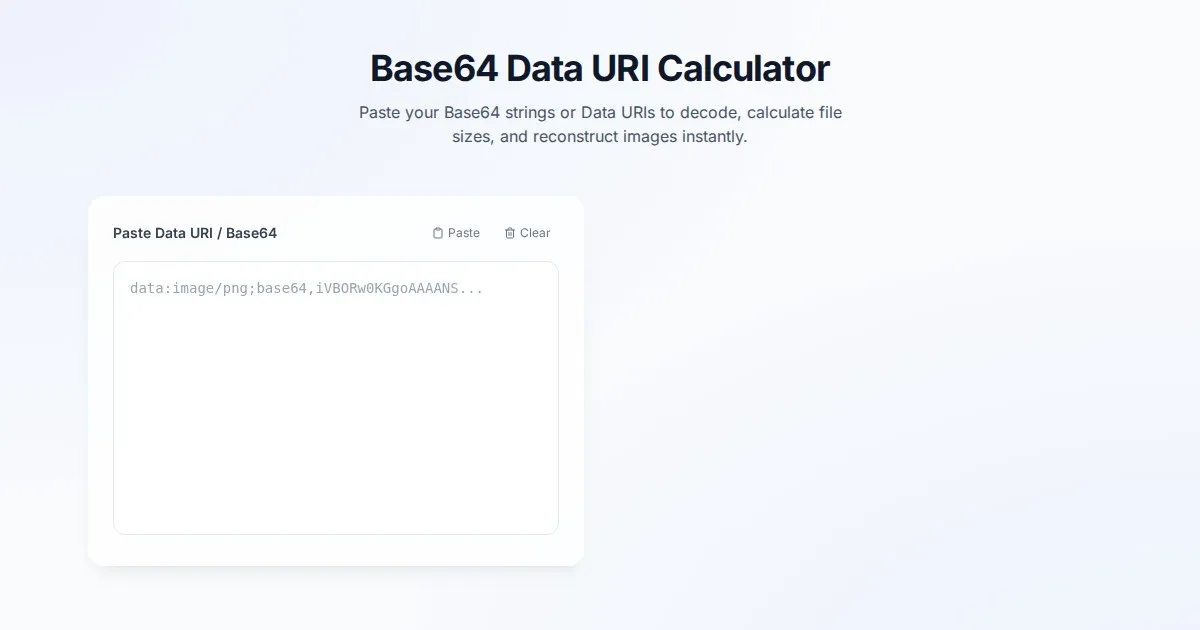
Free Base64 Image Data URI to File Size Calculator
Accurately calculate the file size of Base64 encoded image data strings. This free, web-based tool helps developers estimate binary file sizes for web apps.

Free Online Color Blindness Simulator & Image Filter Tool
Easily simulate color vision deficiencies like protanopia, deuteranopia, and tritanopia. Upload images to test design accessibility for color blindness.
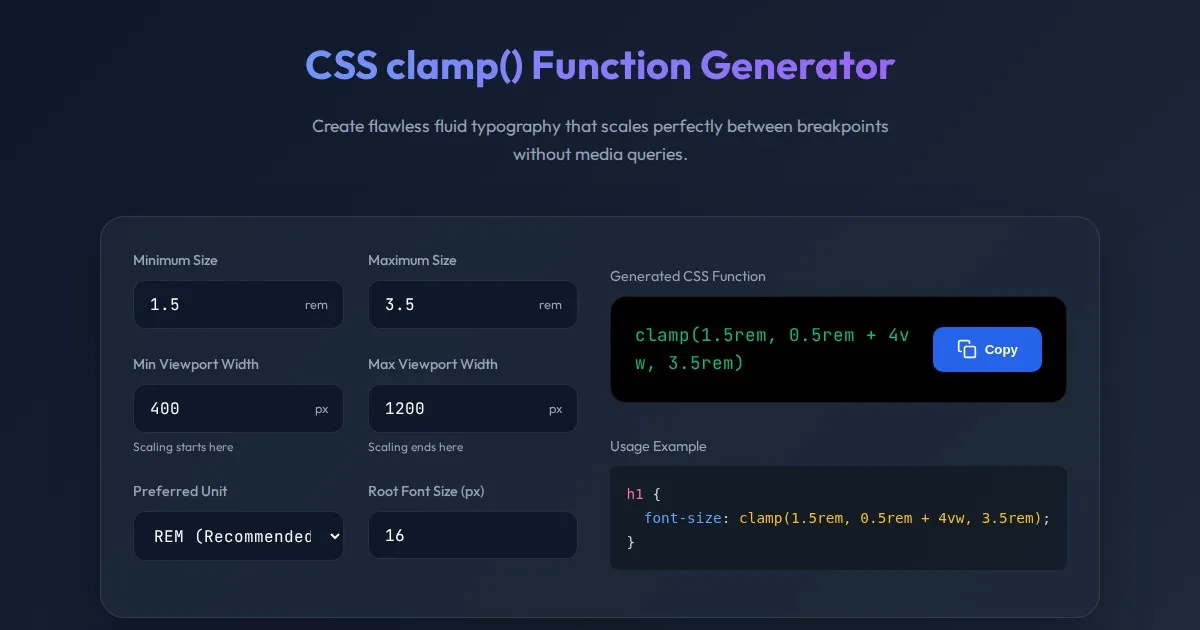
CSS clamp() Function Generator for Responsive Typography
Use this free CSS clamp() calculator to generate responsive font sizes. Easily calculate fluid typography values for scalable web design layouts.
Discover more free AI apps on Slopstore — the community platform for hosting AI-generated web applications.