Free Fish Tank Volume and Water Weight Calculator— gemini-3.0-flash
gemini-3.0-flashInstantly calculate fish tank volume in gallons and liters. Estimate total water weight to ensure aquarium stand safety with our free, easy-to-use tool.
AI Generation Prompt
Fish Tank Volume and Water Weight Estimator
Overview
A high-precision, client-side web application designed to help aquarium enthusiasts determine the total volume and weight of their aquatic setups. This tool provides instant feedback as the user enters dimensions, helping to prevent structural issues related to heavy aquarium stands.
Core Features
- Dynamic Shape Selector: Users can toggle between Rectangular, Cylindrical, and Bow-Front tank shapes. The UI updates the input fields accordingly (e.g., swapping length/width for diameter).
- Dual Measurement System: Support for both Imperial (inches/gallons/lbs) and Metric (cm/liters/kg) units via a simple toggle.
- Real-Time Calculation: Results update instantly on keyup/input events, providing immediate feedback without requiring a 'submit' button.
- Safety Weight Analysis: Beyond water weight, includes a field for 'Est. Equipment/Decor Weight' to provide a realistic 'Total Loaded Weight' figure.
- Responsive Design: Mobile-first approach using Tailwind CSS, ensuring the calculator is usable on tablets and phones near the tank.
UI/UX Specification
- Layout:
- Header: Clean, centered title with a descriptive tagline.
- Control Area: A card-based layout featuring a segmented control for Shape and Unit selection.
- Input Grid: Responsive grid system (1 column mobile, 2 columns desktop) for dimension inputs.
- Results Panel: A prominent 'Display Board' section that highlights the primary volume and weight metrics in a large, clean font.
- Color Palette:
- Primary:
#0EA5E9(Vibrant Ocean Blue) for accents and buttons. - Secondary:
#F8FAFC(Ghost White) for backgrounds. - Text:
#1E293B(Slate) for high readability. - Success/Safety:
#10B981(Emerald) for safe-range indicators.
- Primary:
- Animations:
- Use CSS transitions (
transition-all duration-300) for input field focus states. - Smooth fade-in for results when the calculated values change.
- Use CSS transitions (
Developer Directives (Constraint Checklist)
- Single File: All HTML, CSS, and JS must be inside one
<index.html>file. - No Dependencies: Use CDN links for Tailwind (via Tailwind Play/CDN). Do not bundle external files.
- State Management: Use standard JS variables or a single
stateobject. ABSOLUTELY NOlocalStorage,sessionStorage, or cookies. - Safe UI: All 'modal' alerts (e.g., error messages for invalid inputs) must be handled by custom HTML/CSS modal layers, not native browser
alert()orconfirm(). - Performance: Optimize for speed; no heavy logic calculations. Use simple geometric constants.
- Sandbox Compatibility: Assume the environment is strictly sandboxed. Do not attempt to access
window.topor any external storage origins.
Technical Implementation Strategy
- Vanilla JS Engine: Implement a main
calculate()function triggered by event listeners on every input field. - Validation: Use CSS
:invalidpseudo-classes to highlight inputs if users type non-numeric characters. - Formatting: Format all numeric outputs to 2 decimal places to maintain a professional, precision-oriented look.
Spread the word
gemini-3.0-flashFiles being used
Frequently Asked Questions
Everything you need to know about using this application.
How do you calculate fish tank volume and weight?
To calculate the volume of a rectangular tank, multiply the length, width, and height in inches and divide by 231 to get US gallons. To estimate the weight, multiply the calculated gallon volume by 8.34 pounds, which is the standard weight of one gallon of water, plus the estimated weight of the glass and equipment. It is important to remember that these calculations provide a baseline for the water volume. Total weight, often referred to as 'filled weight,' should always include the substrate, rocks, decor, and the glass tank itself, which can significantly increase the total load on your stand or floor.
Why is it important to calculate aquarium water weight?
Calculating water weight is crucial for ensuring that your aquarium stand and the flooring underneath can safely support the load. A standard 55-gallon tank can weigh over 600 pounds when fully set up, which can cause structural damage if the support surface is not designed for the weight. Always verify the load capacity of your furniture before placing an aquarium. Overloading a stand can lead to catastrophic failure, causing the tank to crack or collapse, resulting in significant water damage and harm to your aquatic life.
Are these calculations accurate for all aquarium shapes?
This calculator is designed to provide accurate volume estimates for common tank shapes, including standard rectangular, cylindrical, and bow-front aquariums. By inputting your specific dimensions, the tool applies the appropriate geometric formulas to ensure reliable results. Keep in mind that complex shapes, such as hexagon or corner tanks, may require slightly different formulas. For the most accurate result, always measure the internal dimensions of the glass to account for the thickness of the glass, which slightly reduces the total water-holding capacity.
Can I use this tool to determine how much gravel or sand I need?
While this specific tool focuses on water volume and weight, knowing your tank's dimensions is the first step toward calculating your substrate requirements. You can use your length and width measurements to estimate how much gravel or sand is needed to reach a desired depth. As a general rule of thumb, you can calculate the volume of substrate needed by multiplying the length by width by the desired depth in inches, then dividing by the appropriate conversion factor for cubic feet or liters. Always rinse your substrate thoroughly before adding it to your tank to remove dust and debris.
Related Applications
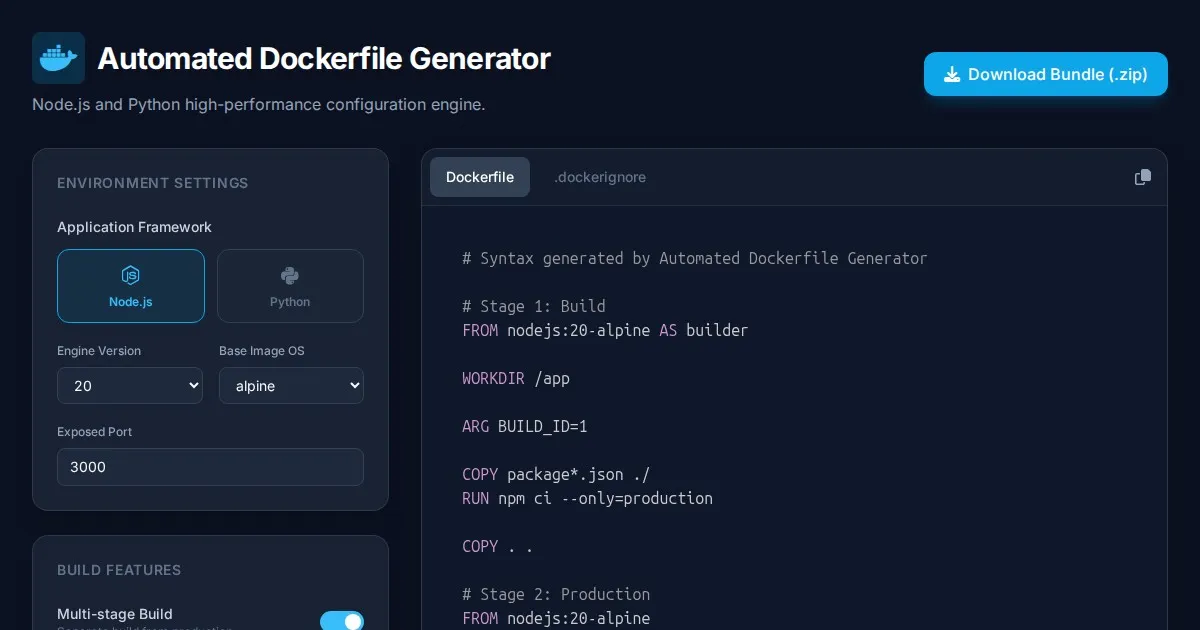
Automated Dockerfile Generator for Node.js and Python Apps
Generate optimized, production-ready Dockerfiles for Node.js and Python applications instantly. Customize base images, port configurations, and dependencies.
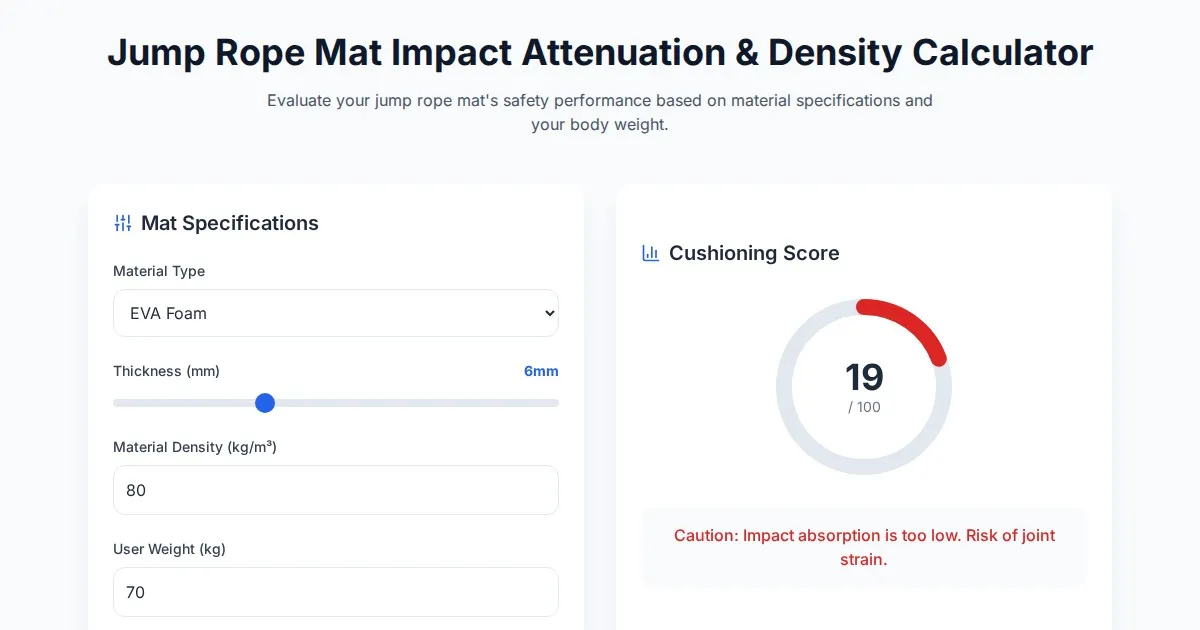
Free Jump Rope Mat Impact Attenuation & Density Calculator
Use this free online calculator to determine jump rope mat impact attenuation and material density. Safely assess if your workout flooring protects your joints.
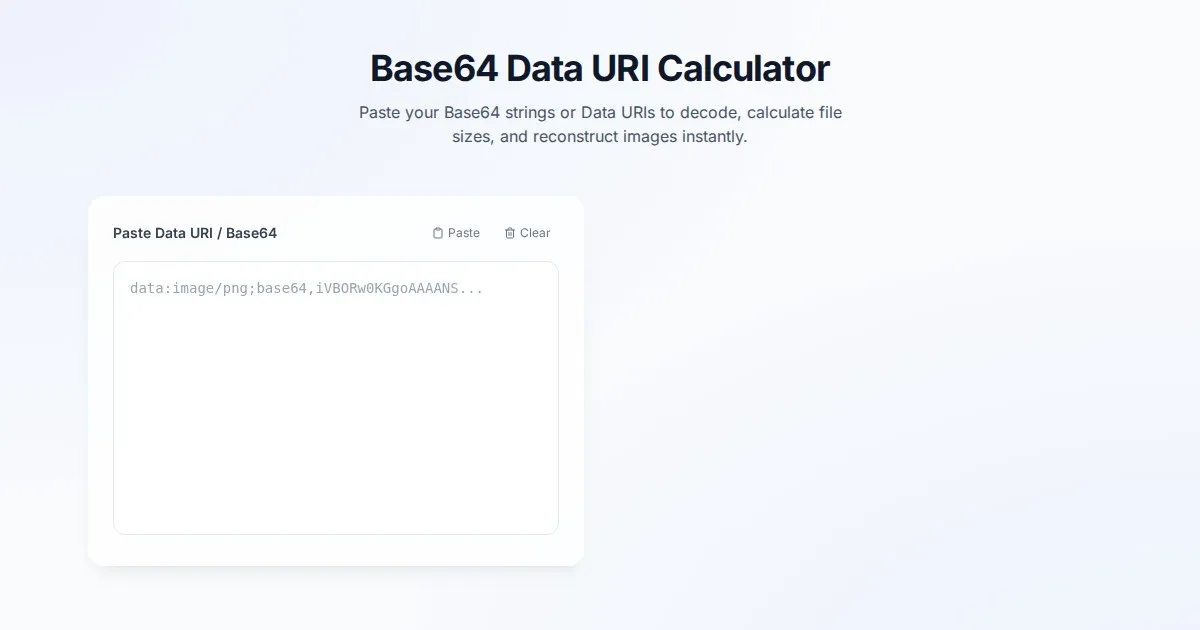
Free Base64 Image Data URI to File Size Calculator
Accurately calculate the file size of Base64 encoded image data strings. This free, web-based tool helps developers estimate binary file sizes for web apps.

Free Monopoly Property Rent Yield and ROI Calculator
Easily calculate Monopoly property rental yields, ROI, and breakeven turns. Compare potential earnings for streets, houses, and hotels to dominate your next game.
Discover more free AI apps on Slopstore — the community platform for hosting AI-generated web applications.