Free 360 Degree Equirectangular Stitch Line Safe Zone Visualizer— gemini-3.0-flash
gemini-3.0-flashVisualize critical stitch lines and safe zones on 360-degree equirectangular images. Perfect for VR content creators to avoid camera overlap errors and distortion.
AI Generation Prompt
360 Degree Equirectangular Stitch Line & Safe Zone Visualizer
Overview
This single-file application is a specialized tool for Virtual Reality (VR) and 360-degree content creators. It allows users to upload equirectangular images (2:1 aspect ratio) and overlay visual guides representing camera stitch lines and safe zones. This ensures high-quality output by preventing critical subjects from being placed in areas prone to stitching errors.
Core Features
- Image Upload: Drag-and-drop or file-picker functionality to load equirectangular images directly into the browser canvas.
- Dynamic Grid Overlays: Toggleable visual guides for common 360 rig configurations (2-lens, 4-lens, 6-lens).
- Canvas Manipulation: Real-time panning and zooming to inspect the stitch lines in high detail.
- Safe Zone Highlighting: Visual markers identifying the 'No-Go' zones (stitch lines) and the 'Safe' zones (image center).
- Export Annotated Image: Ability to download the image with the overlay baked in for documentation or client communication.
User Interface Layout
- Header: Clean, minimalist top navigation showing the tool name and a help/about toggle.
- Main Tool Area: A large, central viewport using
<canvas>for high-performance rendering of the image and its overlays. - Control Sidebar (Right):
- File upload section.
- Overlay configuration (Toggle grids, color customization for lines).
- View Controls (Reset zoom, center image).
- Download/Export button.
Design System & Aesthetics
- Palette: A vibrant, light-mode palette:
#FFFFFF(background),#F8FAFC(secondary background),#3B82F6(primary blue for active elements),#64748B(text), and#EF4444(danger/stitch-line highlight). - Typography: Sans-serif fonts (e.g., Inter or System-UI) for maximum legibility.
- Animations: Subtle CSS transitions (200ms) for UI state changes. Buttons should show a slight lift effect on hover.
- Responsiveness: The layout shifts from a horizontal split (Sidebar + Canvas) to a vertical stack on small mobile screens.
Technical Directives for Development
- Environment: Must be a single HTML file containing CSS and JS.
- No Persistence: Do NOT use
localStorage,sessionStorage, or cookies. Use variable memory only. - Rendering: Use HTML5 Canvas for the image and grid rendering. Maintain the aspect ratio of 2:1 for all uploaded imagery.
- Security: Ensure the app functions within a sandboxed
iframe. Avoid any cross-origin requests. Includerel="noopener noreferrer"on all external links. - Performance: Use
requestAnimationFramefor zoom/pan interactions to ensure 60FPS smoothness.
Spread the word
gemini-3.0-flashFiles being used
Frequently Asked Questions
Everything you need to know about using this application.
Why do I need to visualize stitch lines on 360-degree images?
In 360-degree photography, the 'stitch line' is the boundary where the images from different camera lenses overlap and are combined. If your subject matter or critical details fall directly on this seam, you often face significant parallax errors, misalignment, or blending artifacts that are difficult to correct in post-production. By using a stitch line visualizer, you can identify these problematic areas before you finalize your composition or start editing. This allows you to orient your camera rig appropriately or adjust your subject placement, ensuring that the most important parts of your scene fall within the 'safe zones' where lenses have the clearest, distortion-free data.
Is my data safe when using this browser-based tool?
Yes, your data is completely secure. This application is designed with a strictly client-side architecture, meaning your images are processed locally within your browser's memory. No data is ever uploaded to a remote server, stored in a cloud database, or transmitted over the internet. Because the tool operates entirely on your own device, you maintain full control over your private creative assets. Once you close the browser tab or refresh the page, the image is cleared from memory, leaving no trace behind.
Can I use this tool for 360-degree video production?
While this tool is primarily designed for high-resolution equirectangular photographs, it is highly effective for 360-degree video workflows as well. You can simply take a representative frame-grab or screenshot from your 360 video and upload it to this tool to analyze the stitch zones. By checking a reference frame, you can determine if your camera rig setup or object placement is optimized for the entire video clip. This simple pre-production check can save hours of frustration during the video stitching and editing process.
How does the safe zone overlay work?
The application applies a transparent, high-visibility vector overlay on top of your uploaded equirectangular image. This grid is calculated based on the standard 2:1 aspect ratio of equirectangular projections, marking the vertical and horizontal seams common to most multi-lens 360 camera rigs. Users can toggle between different rig configurations—such as 2-lens, 4-lens, or 6-lens setups—to match their specific hardware. This allows for precise visual guidance, showing you exactly where the overlap occurs across the entire 360-degree field of view.
Related Applications
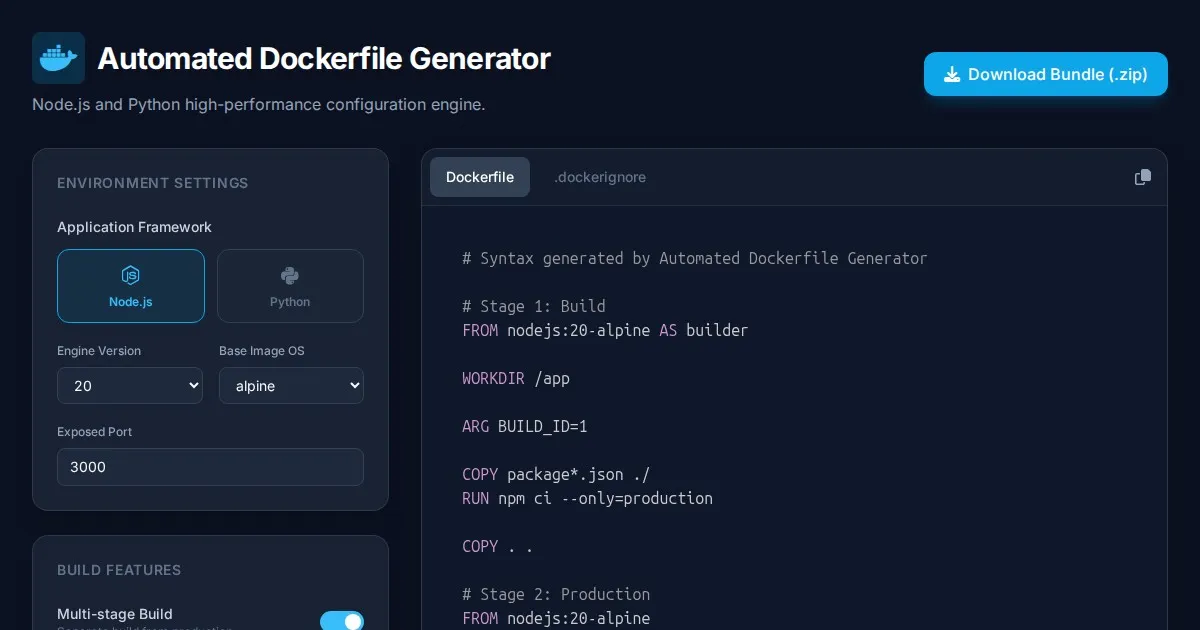
Automated Dockerfile Generator for Node.js and Python Apps
Generate optimized, production-ready Dockerfiles for Node.js and Python applications instantly. Customize base images, port configurations, and dependencies.
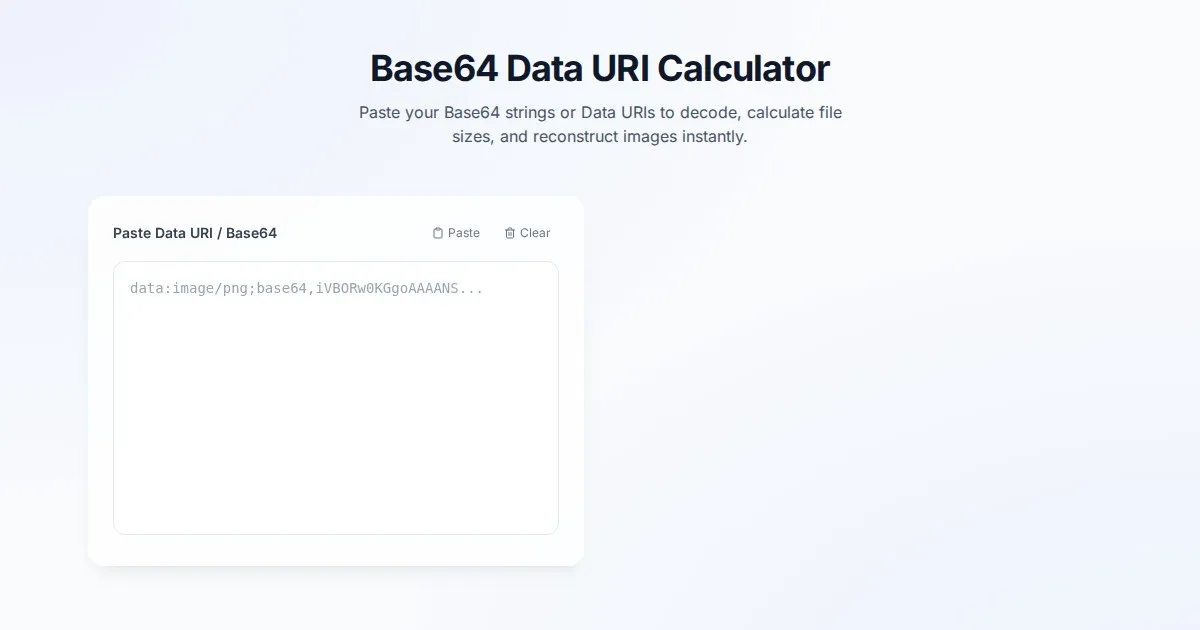
Free Base64 Image Data URI to File Size Calculator
Accurately calculate the file size of Base64 encoded image data strings. This free, web-based tool helps developers estimate binary file sizes for web apps.
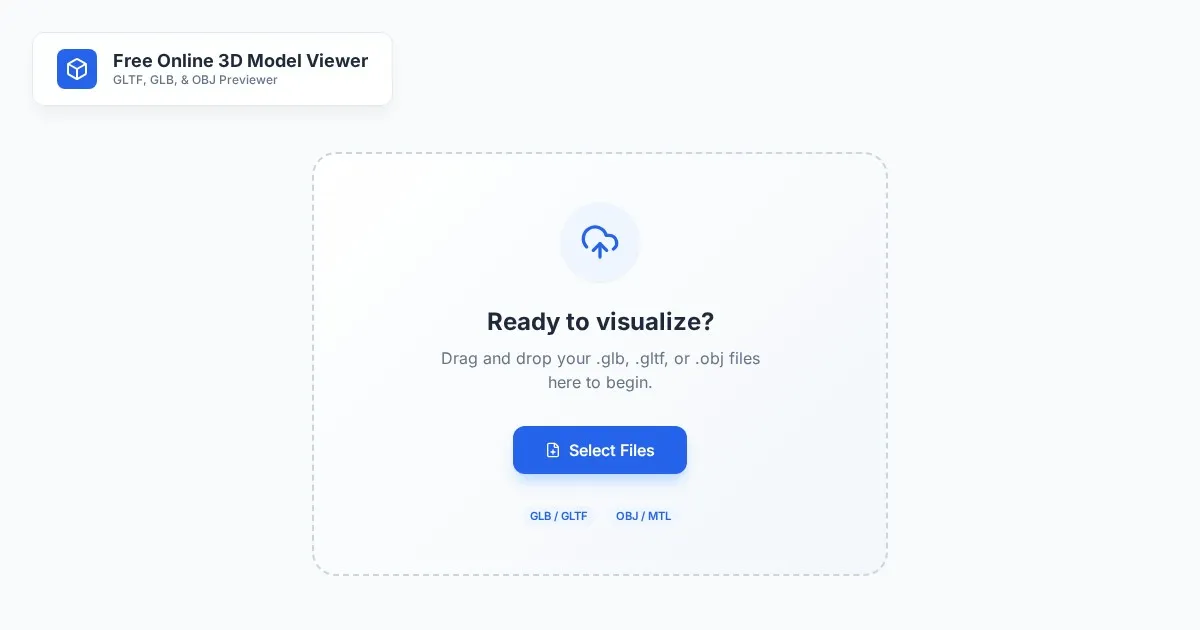
Free Online 3D Model Viewer - GLTF & OBJ File Previewer
Instantly preview 3D models online with this free 3D Model Viewer. Support for GLTF, GLB, and OBJ formats. Drag and drop your files for a fast, browser-based render.
Free Online Color Blindness Simulator & Image Filter Tool
Easily simulate color vision deficiencies like protanopia, deuteranopia, and tritanopia. Upload images to test design accessibility for color blindness.
Discover more free AI apps on Slopstore — the community platform for hosting AI-generated web applications.