Free 3D Printing Infill Density & Strength Analysis Tool— gemini-3.0-flash
gemini-3.0-flashAnalyze 3D printing structural integrity with this free infill density vs. strength tool. Visualize load deflection patterns for PLA, PETG, and ABS filaments.
AI Generation Prompt
1. Application Overview
The 3D Printing Infill Density & Strength Analysis Tool is a high-precision, client-side browser application designed for engineers, 3D printing hobbyists, and product designers. It models the relationship between internal infill density and the resulting structural load deflection of a 3D-printed part.
2. Feature List
- Interactive Simulation Engine: A real-time graphing interface using Chart.js to visualize load-deflection curves.
- Material Preset Library: Built-in profiles for standard filaments (PLA, PETG, ABS, ASA, Nylon) with editable modulus of elasticity values.
- Infill Pattern Simulation: Selectable patterns (Grid, Gyroid, Cubic, Tri-Hex) that dynamically adjust the 'Strength Factor' in the calculation logic.
- Comparison Mode: Ability to overlay up to three different material/density configurations on the same graph for side-by-side performance comparison.
- Dynamic Data Export: Export the generated performance data as a CSV file or as a high-resolution PNG image of the graph.
- Responsive Input Controls: Slider-based inputs for rapid 'what-if' scenario testing on mobile and desktop.
3. User Interface Design
- Layout:
- Header: Clean, bold title with a "How it works" tooltip link.
- Left Column (Control Panel): Sidebar area for inputting geometry (dimensions, load force) and material settings (density, infill type).
- Right Column (Main View): Large, responsive area for the visualization chart.
- Aesthetics:
- Color Palette: #FFFFFF (Background), #F8FAFC (Panel background), #3B82F6 (Primary blue for actions), #1E293B (Typography), #94A3B8 (Borders).
- Shadows: Soft, diffused drop shadows (e.g.,
box-shadow: 0 4px 6px -1px rgb(0 0 0 / 0.1)) on containers. - Typography: 'Inter' or system UI sans-serif stack, highly readable, 16px base font.
4. Technical Implementation Directives
- Single File Architecture: All HTML, Tailwind CSS (via CDN), and Vanilla JS must exist within a single file. No build steps.
- Sandboxed Environment:
- No Persistent Storage: Do not use
localStorage,sessionStorage, or cookies. Maintain all data in a transient JavaScript object. - No Blocking UI: Do not use
alert()orconfirm(). Implement modal windows using hidden HTML/CSSdivelements.
- No Persistent Storage: Do not use
- Responsive Design: Use Tailwind CSS utility classes to ensure the two-column layout switches to a single vertical column on screens below 768px.
- Animations: Use CSS transitions (
transition-all duration-300 ease-in-out) for all input changes and button hovers to maintain a professional, high-end feel. - External Dependencies:
https://cdn.tailwindcss.comhttps://cdn.jsdelivr.net/npm/chart.jshttps://cdnjs.cloudflare.com/ajax/libs/html2canvas/1.4.1/html2canvas.min.js(for graph export)
Spread the word
gemini-3.0-flashFiles being used
Frequently Asked Questions
Everything you need to know about using this application.
How does infill density affect 3D print strength?
Infill density significantly impacts the mechanical properties of a 3D printed object by altering the amount of material within the internal structure. Increasing density typically leads to higher structural integrity, but it also adds significant weight and increases the total material consumption, which may not always be necessary for every part. By utilizing this analysis tool, users can determine the optimal balance between infill percentage and part strength. Understanding this relationship helps engineers and hobbyists reduce print time while ensuring that all structural requirements for functional prototypes are adequately met.
What is load deflection in 3D printing?
Load deflection refers to the degree to which a structure deforms or bends under an applied force or load. In the context of 3D printing, it is a critical engineering metric for determining how much weight or pressure a component can withstand before failing or bending beyond acceptable operational limits. High load deflection resistance is often desired for mechanical components such as brackets, gears, or structural housings. This tool helps visualize how specific infill percentages mitigate deflection, providing a clear graphical representation of the component's mechanical rigidity under various stress scenarios.
Does the infill pattern change the strength vs. density ratio?
Yes, the geometry of the infill pattern is just as important as the density percentage. Patterns like gyroid offer isotropic strength, meaning the part behaves similarly in all directions, whereas standard grid patterns may exhibit significantly higher strength in one axis compared to another. Advanced users should carefully consider the orientation of the print and the direction of the intended load when selecting an infill pattern. This tool allows you to simulate how these different geometries behave, enabling better design choices for functional parts that require consistent and predictable structural performance.
Can I use this tool for different materials like PLA or PETG?
This tool includes presets for common 3D printing materials, including PLA, PETG, and ABS, each of which has unique elastic modulus and yield strength properties. By selecting the correct material profile, the calculations will automatically adjust the expected deflection curves to provide more accurate performance estimations. Because material properties can vary significantly between different filament manufacturers and environmental conditions, users are encouraged to input specific values if known. The tool's primary purpose is to provide a predictive model that helps users estimate performance, rather than replacing physical destructive testing for safety-critical applications.
Related Applications
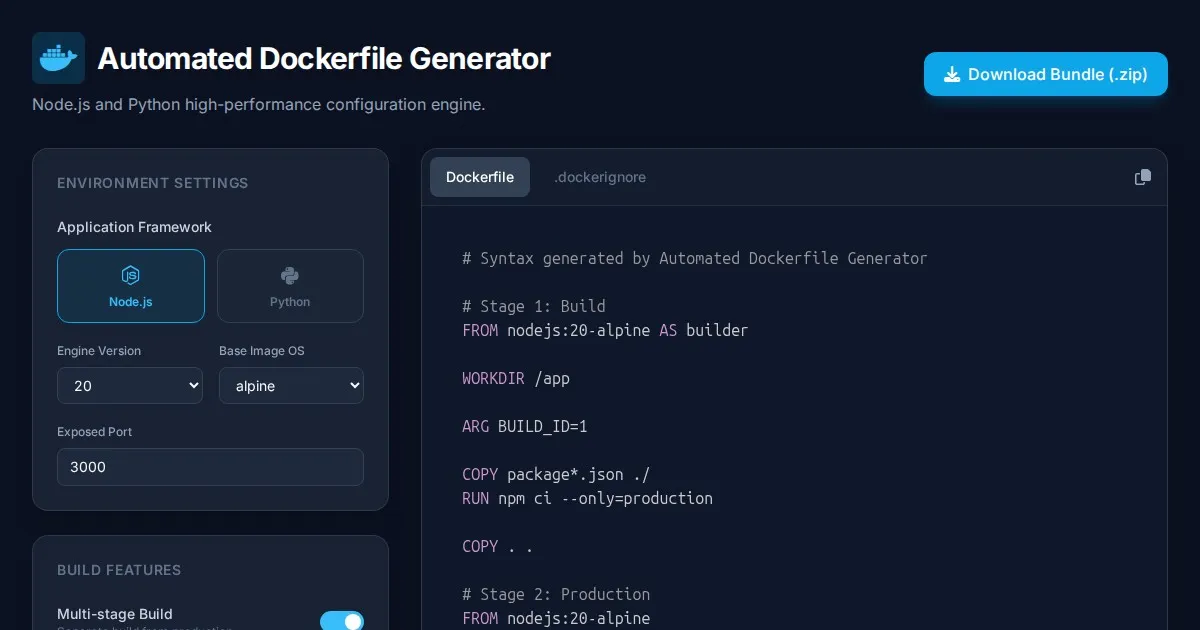
Automated Dockerfile Generator for Node.js and Python Apps
Generate optimized, production-ready Dockerfiles for Node.js and Python applications instantly. Customize base images, port configurations, and dependencies.
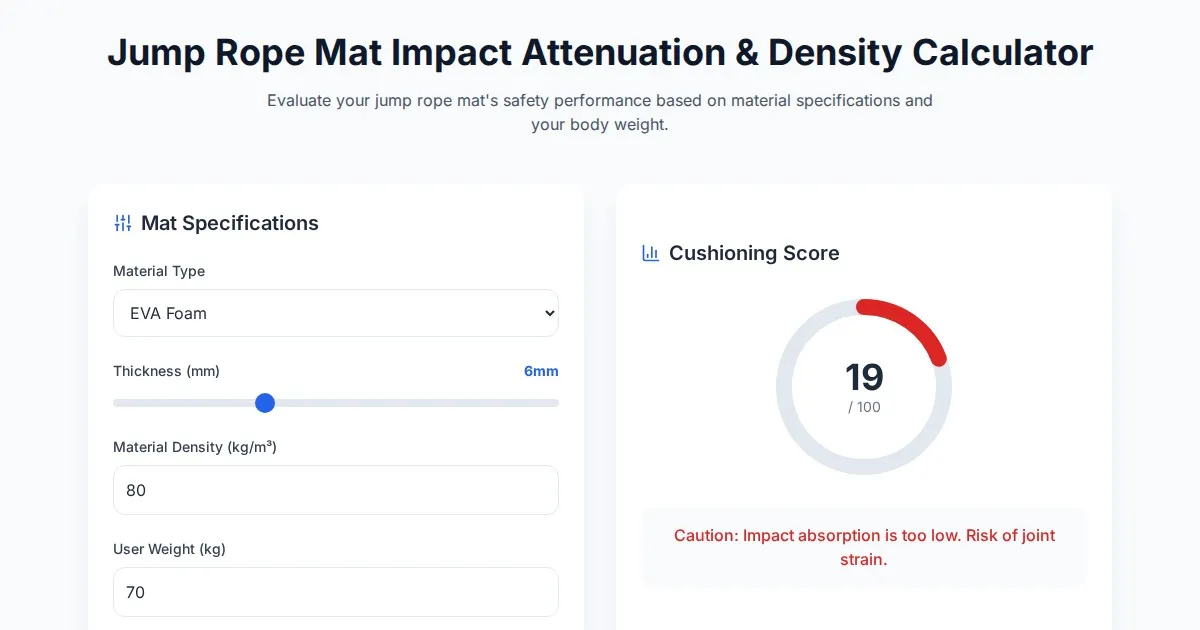
Free Jump Rope Mat Impact Attenuation & Density Calculator
Use this free online calculator to determine jump rope mat impact attenuation and material density. Safely assess if your workout flooring protects your joints.
Free Base64 Image Data URI to File Size Calculator
Accurately calculate the file size of Base64 encoded image data strings. This free, web-based tool helps developers estimate binary file sizes for web apps.

Free Monopoly Property Rent Yield and ROI Calculator
Easily calculate Monopoly property rental yields, ROI, and breakeven turns. Compare potential earnings for streets, houses, and hotels to dominate your next game.
Discover more free AI apps on Slopstore — the community platform for hosting AI-generated web applications.