Free Audio File Size Calculator & Estimator Tool— gemini-3.0-flash
gemini-3.0-flashCalculate exact uncompressed audio file sizes based on sample rate, bit depth, channels, and duration. A free, instant tool for audio engineers and producers.
AI Generation Prompt
Audio Sample Rate and Bit Depth File Size Calculator
Overview
A high-performance, single-file browser utility designed for audio engineers, podcasters, and content creators to accurately estimate the storage requirements of uncompressed audio projects. This tool performs real-time calculations as users adjust recording parameters.
Feature List
- Real-Time Calculation: Instant updates of file size estimates as sliders or inputs are modified—no 'calculate' button required.
- Multi-Format Parameter Inputs:
- Sample Rate: Select from presets (44.1, 48, 88.2, 96, 192 kHz) or custom input.
- Bit Depth: Support for 8, 16, 24, and 32-bit float.
- Channels: Selector for Mono (1), Stereo (2), and Multi-channel (up to 8).
- Duration: Precision input for hours, minutes, and seconds.
- Unit Converter: Output results dynamically shown in MB, GB, and TB for clarity.
- Copy to Clipboard: A 'Copy Result' button to quickly save the file size estimation for project notes.
- Preset Comparison: A small reference table showing how common standards (CD quality vs. High-Res) affect file size.
UI Layout
- Header: Clean, centered title with a brief subtitle describing the tool's utility.
- Main Interface (Two-Column Layout):
- Left Column (Inputs): Grouped form controls using clean, modern input fields and accessible range sliders.
- Right Column (Output): A prominent 'Result Card' that highlights the calculated size in a large, easy-to-read font, with secondary metrics (bits/sec, bytes/sec) displayed below.
- Visual Style:
- Color Palette: A professional 'Light Mode' aesthetic using a base of #FFFFFF (background), #F3F4F6 (surface/card), #1F2937 (primary text), and #4F46E5 (vibrant indigo for call-to-action/accent elements).
- Spacing: Generous whitespace, rounded corners (8px-12px) for cards, and subtle soft-shadows (elevation) to create depth.
Technical Implementation Constraints
- Single File: All logic (HTML, CSS, Tailwind CDN, JS) must be contained in one index.html file.
- State Management: Use standard JavaScript variables to track state. Absolutely NO localStorage or sessionStorage.
- Responsive Design: Grid layout must stack vertically on mobile devices (< 768px) and side-by-side on desktop.
- Interactivity: Use standard CSS transitions (opacity, transform) for smooth input interactions. Avoid heavy frameworks.
- Safety:
- No pop-ups or alerts. Use custom modal elements within the DOM if user feedback is needed.
- All external links must have
target="_blank"andrel="noopener noreferrer".
Developer Guidelines
- Vanilla JS: Use standard DOM manipulation (
document.getElementById,addEventListener). - Tailwind: Utilize the Tailwind CSS CDN for styling to ensure a modern look without local CSS files.
- Calculation Logic: Ensure the math formula accounts for the formula:
(Sample Rate * Bit Depth * Channels * Duration) / 8 / 1024 / 1024to derive Megabytes. - Performance: Ensure input listeners are debounced if performing intensive operations (though basic math here is instantaneous).
Spread the word
gemini-3.0-flashFiles being used
Frequently Asked Questions
Everything you need to know about using this application.
How do I calculate the file size of an uncompressed audio file?
The file size is calculated by multiplying the sample rate (Hz), bit depth (bits), and the number of channels, then multiplying that product by the total duration in seconds. This result gives you the number of bits in the file, which is then converted into bytes, kilobytes, megabytes, or gigabytes. Our tool automates this process for you. By simply entering the parameters—such as 44.1kHz sample rate and 24-bit depth—the calculator instantly determines the required storage space for your uncompressed WAV or AIFF files.
Why does changing the bit depth impact file size?
Bit depth determines the dynamic range and resolution of each sample. A 24-bit audio file contains more data per sample than a 16-bit file, specifically 50% more data, leading to a larger final file size. Higher bit depths are preferred for professional recording and mixing to reduce quantization noise. While higher bit depths provide better fidelity, they require more disk space and processing power. This calculator helps you predict these storage requirements so you can effectively plan your recording sessions and archive storage solutions.
Does this tool calculate compressed audio like MP3 or AAC?
No, this calculator is specifically designed for uncompressed audio formats like WAV or AIFF. Compressed formats like MP3, AAC, or Ogg Vorbis use complex lossy algorithms that vary in efficiency depending on the audio content's complexity, making their final file sizes unpredictable through simple arithmetic. If you are working with uncompressed recording workflows, this tool provides the exact theoretical size required. For compressed audio, file sizes will generally be significantly smaller but will vary based on the chosen bitrate (e.g., 320kbps vs 128kbps).
Is my data saved when using this calculator?
No, this application is built to run entirely in your browser memory without any server-side processing, cookies, or local storage. Your inputs and calculations exist only for the duration of your session and are wiped immediately upon refreshing or closing the page. We prioritize your privacy and performance. By keeping everything client-side and avoiding databases, we ensure the tool is fast, secure, and compliant with modern web privacy standards.
Related Applications
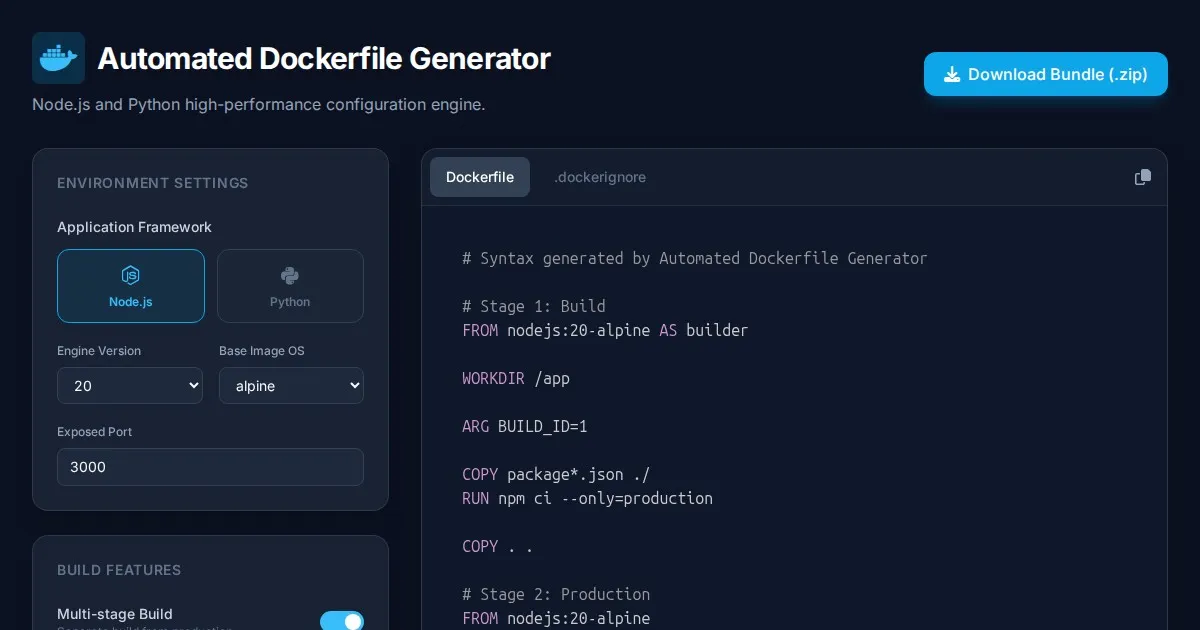
Automated Dockerfile Generator for Node.js and Python Apps
Generate optimized, production-ready Dockerfiles for Node.js and Python applications instantly. Customize base images, port configurations, and dependencies.
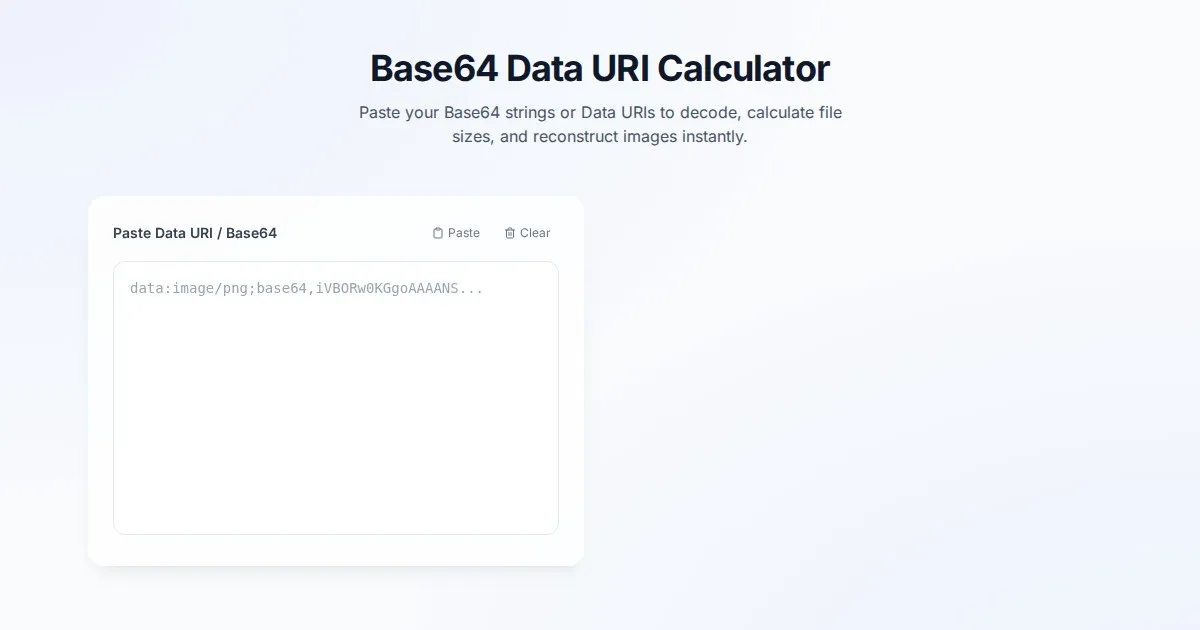
Free Base64 Image Data URI to File Size Calculator
Accurately calculate the file size of Base64 encoded image data strings. This free, web-based tool helps developers estimate binary file sizes for web apps.
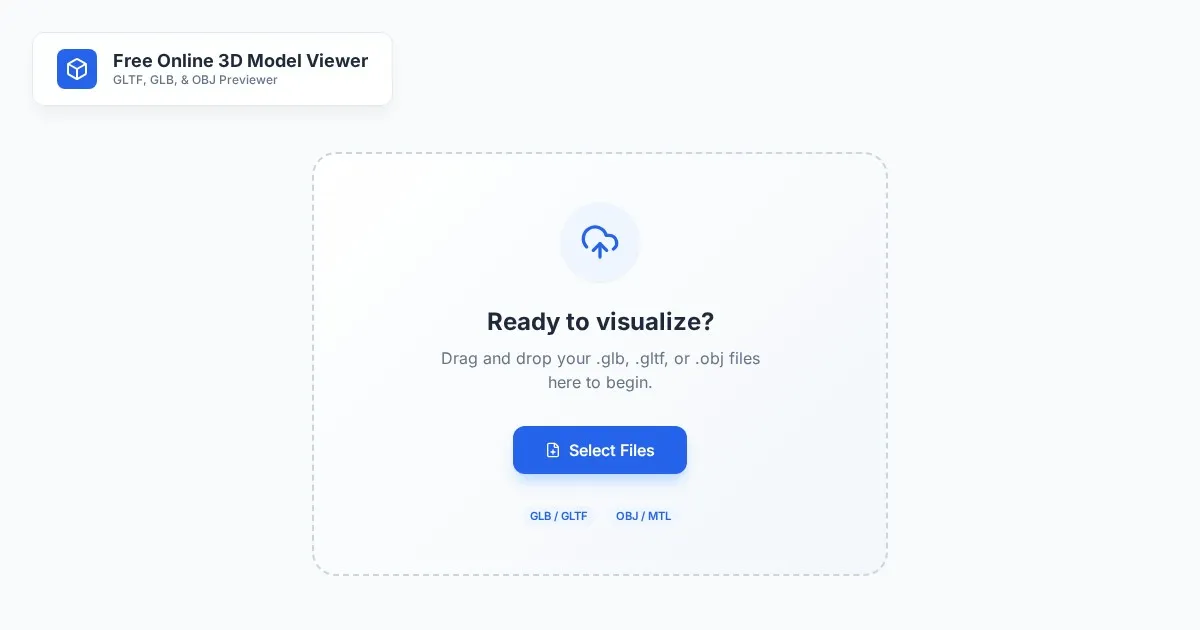
Free Online 3D Model Viewer - GLTF & OBJ File Previewer
Instantly preview 3D models online with this free 3D Model Viewer. Support for GLTF, GLB, and OBJ formats. Drag and drop your files for a fast, browser-based render.

Free Online Color Blindness Simulator & Image Filter Tool
Easily simulate color vision deficiencies like protanopia, deuteranopia, and tritanopia. Upload images to test design accessibility for color blindness.
Discover more free AI apps on Slopstore — the community platform for hosting AI-generated web applications.