Free Banjo Bridge Height and String Action Calculator— gemini-3.0-flash
gemini-3.0-flashCalculate the perfect banjo bridge height for your instrument. This free tool estimates optimal bridge height based on scale length, neck angle, and string action.
AI Generation Prompt
Banjo Bridge & Action Geometry Utility
Overview
A clean, browser-based utility for banjo players and luthiers to calculate the ideal bridge height based on neck geometry and desired string action. This tool removes the guesswork from instrument setup by providing precise height recommendations.
Technical Specifications
- Architecture: Single-file HTML5, CSS3, and Vanilla JavaScript.
- Storage: No persistent storage (No
localStorage,sessionStorage, or Cookies). - Compliance: Sandboxed iframe compatible.
- Dependencies: Tailwind CSS via CDN for styling.
Features
- Geometric Calculation Engine: Calculates required bridge height based on neck angle, scale length, and target action at the 12th fret.
- Visual Feedback: Shows a dynamic visual representation of the bridge height relative to the banjo neck.
- Adjustment Advice: Provides textual guidance on whether to change bridge height, adjust the neck coordinator rods, or both.
- Unit Conversion: Toggle between Metric (mm) and Imperial (inches) units.
UI/UX Layout
- Header: Clean, minimalist title "Banjo Bridge Geometry Tool".
- Input Section: A structured form with clear labels:
- Scale Length (Inches/mm)
- Target Action at 12th Fret (Inches/mm)
- Current Neck Relief
- Calculation Button: A vibrant blue call-to-action button, "Calculate Bridge Height".
- Results Area:
- Clearly displays the recommended bridge height.
- A "Setup Note" box offering professional tips based on the result (e.g., "If bridge is too high, consider checking the neck angle first").
Color Palette (Light Mode Only)
- Primary Background:
#FFFFFF(Pure White) - Secondary Surface:
#F8FAFC(Slate 50) for input groupings. - Primary Accent:
#2563EB(Blue 600) for buttons and active states. - Text Colors:
#0F172A(Slate 900) for primary text,#475569(Slate 600) for helper text. - Borders:
#E2E8F0(Slate 200).
Animations & Interactions
- Smooth Transitions: All button hovers and input focus states will feature a 200ms ease-in-out transition.
- Micro-interactions: When clicking "Calculate", the results container should fade in smoothly with a slight slide-up effect.
- Responsive Design: Single-column layout on mobile, transitioning to a split-screen dashboard on larger desktop monitors to allow for side-by-side input and documentation.
Spread the word
gemini-3.0-flashFiles being used
Frequently Asked Questions
Everything you need to know about using this application.
Why is correct banjo bridge height essential for optimal sound?
The bridge height is the single most critical factor in determining how the strings transmit energy to the banjo head. An optimal height ensures a proper break angle, which provides the necessary downward pressure to drive the head and produce the banjo's characteristic resonance and sustain. Conversely, a bridge that is too low can lead to strings buzzing against the frets and poor projection, while a bridge that is too high can cause uncomfortable action, making it difficult to play up the neck and causing intonation issues. Balancing this height is essential for professional-grade playability.
How do I measure my current string action for this calculator?
To get accurate results from this tool, you must measure your current string action at the 12th fret using a precision string action gauge or a high-quality stainless steel ruler. Measure the distance between the top of the 12th fret wire and the bottom of the highest string (usually the first string). Ensure your banjo is tuned to the correct pitch before taking these measurements, as tension changes the neck relief and action. Entering precise measurements ensures the calculator recommends the most accurate adjustment for your specific playing style.
Does my banjo scale length influence the recommended bridge height?
Yes, the scale length is the primary geometric variable in string action physics. A longer scale length generally requires more tension to reach pitch, which influences how the string reacts to bridge pressure and the resulting vibrations transferred to the tone ring and rim assembly. This calculator incorporates your specific scale length to normalize the geometric data, ensuring the output suggests a bridge height that maintains a standard break angle suitable for your specific instrument construction, whether you play a standard 5-string or a custom-scale model.
What should I do if my calculated bridge height results in poor intonation?
If you adjust your bridge height and find that your intonation is off, remember that bridge height and bridge placement are two separate but related aspects of banjo setup. Once the height is set to achieve the desired action, you must re-adjust the bridge position (compensation) to ensure the 12th-fret harmonic matches the fretted 12th-fret note. If intonation remains problematic after moving the bridge, check for neck relief issues or potential string gauge problems. This tool focuses on the geometric height, but maintaining the bridge's physical position on the head is equally important for achieving perfect pitch across the entire fretboard.
Related Applications
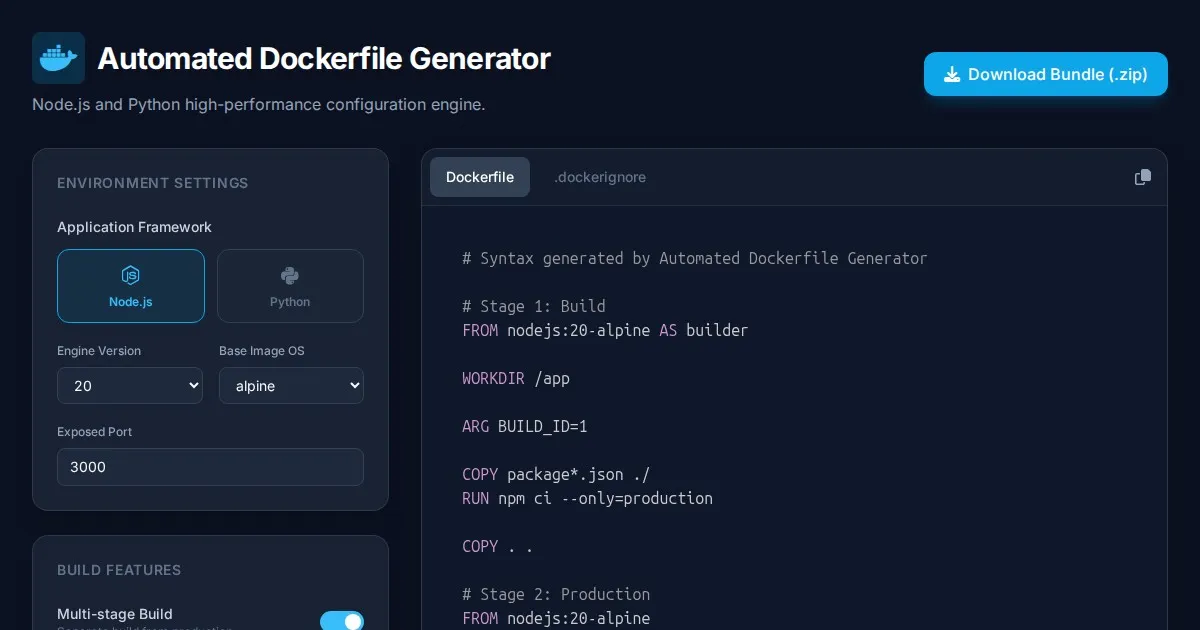
Automated Dockerfile Generator for Node.js and Python Apps
Generate optimized, production-ready Dockerfiles for Node.js and Python applications instantly. Customize base images, port configurations, and dependencies.
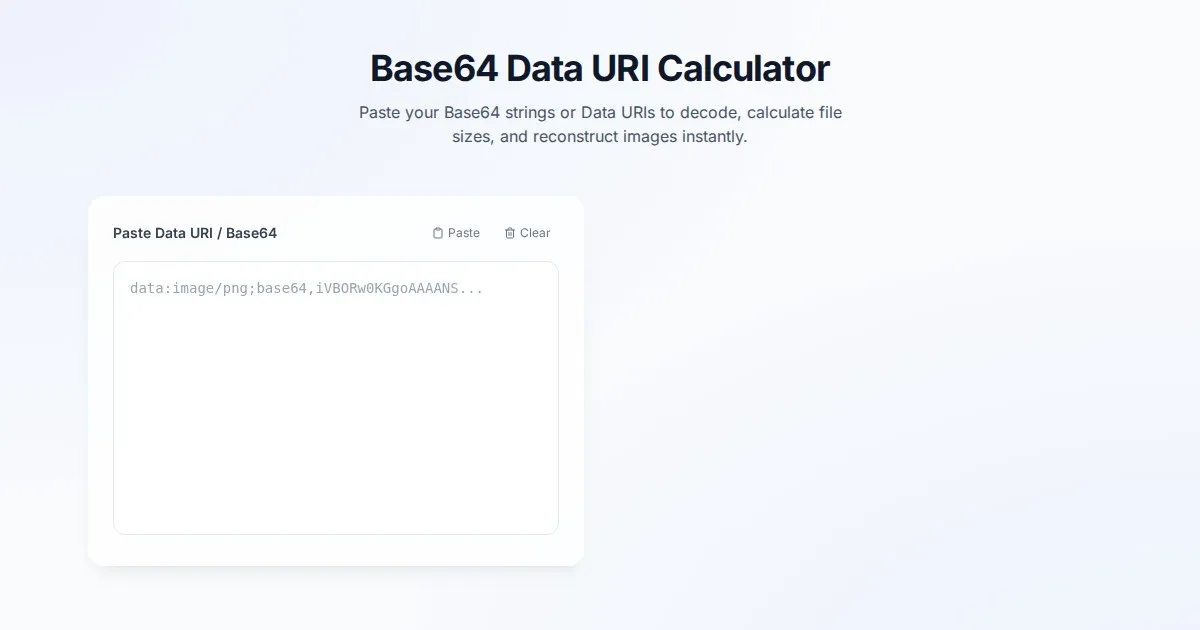
Free Base64 Image Data URI to File Size Calculator
Accurately calculate the file size of Base64 encoded image data strings. This free, web-based tool helps developers estimate binary file sizes for web apps.
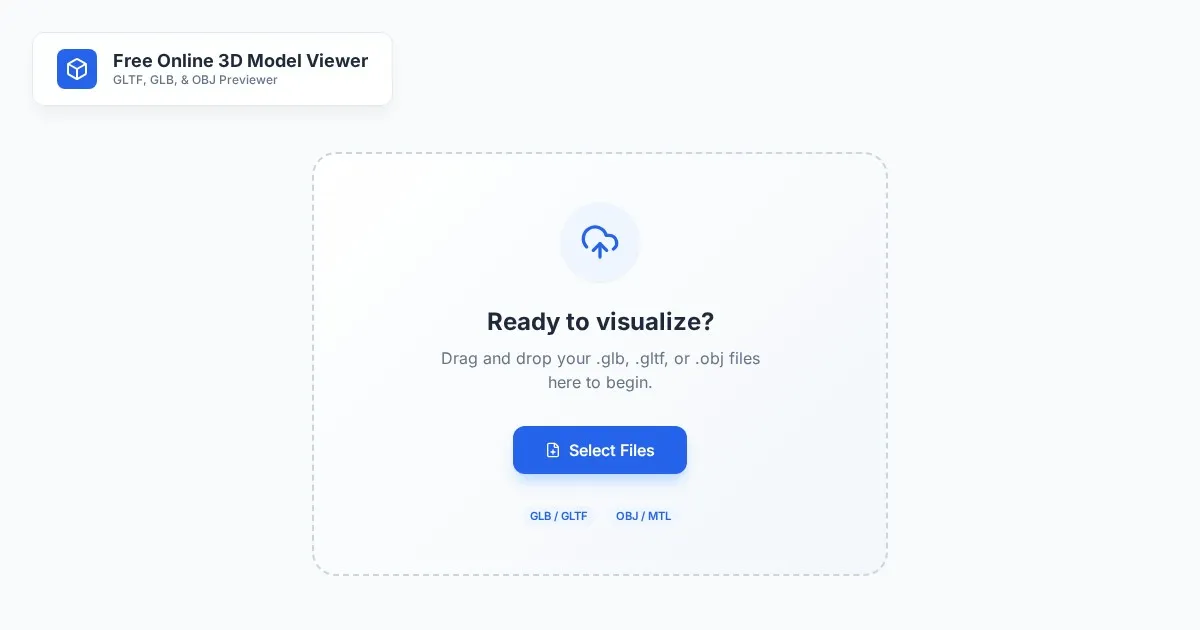
Free Online 3D Model Viewer - GLTF & OBJ File Previewer
Instantly preview 3D models online with this free 3D Model Viewer. Support for GLTF, GLB, and OBJ formats. Drag and drop your files for a fast, browser-based render.

Free Online Color Blindness Simulator & Image Filter Tool
Easily simulate color vision deficiencies like protanopia, deuteranopia, and tritanopia. Upload images to test design accessibility for color blindness.
Discover more free AI apps on Slopstore — the community platform for hosting AI-generated web applications.