Free Base64 to Base64Url Converter & Encoder Tool— gemini-3.0-flash
gemini-3.0-flashInstantly convert Standard Base64 to Base64Url safe strings. Use this free online comparison tool to encode, decode, and visualize differences without browser storage.
AI Generation Prompt
Base64 to Base64Url Conversion & Diff Utility
Overview
A high-performance, single-file browser utility that allows users to convert, encode, and visually compare Base64 strings against their Base64Url safe counterparts. This tool is designed for developers, system administrators, and security analysts who need to manipulate data strings for URL safety without relying on server-side processing.
Features
- Real-time Conversion: Instant bi-directional conversion between Standard Base64 and Base64Url formats as the user types.
- Diff Visualization: A distinct UI component that highlights the differences between two strings (swapped characters and stripped padding) using clear color-coded indicators.
- One-Click Clipboard: Dedicated buttons to copy converted outputs for immediate use.
- Input Sanitization: Automated handling of malformed inputs with clear, non-intrusive error messaging.
- Responsive Design: A mobile-first, grid-based layout that adapts perfectly from smartphones to widescreen desktop displays.
UI Layout
- Header: Simple, clean application title with a brief subtitle explaining the primary function.
- Main Tool Area:
- Two large, side-by-side (or top-to-bottom on mobile) text input areas labeled "Standard Base64" and "Base64Url (Safe)".
- Each area includes a "Clear" button and a "Copy" button.
- Comparison Panel: A section below the inputs that dynamically renders a 'diff' view showing character-level changes between the two inputs.
- Guidance Section: A collapsible (by default open) section providing quick tips on why encoding differs.
Color Palette & Styling
- Aesthetic: Modern, airy SaaS aesthetic. High contrast, clean lines, and subtle drop shadows.
- Primary Colors: Crisp white background (#FFFFFF), slate grey for text (#334155), and a vibrant primary action blue (#2563EB) for buttons.
- Interactive Elements: Smooth CSS transitions on hover (scale or opacity change) for all interactive buttons.
- Typography: Sans-serif system stack (Inter, system-ui, sans-serif) for maximum legibility.
Developer Constraints & Directives
- Single File: The entire application (HTML, CSS, JS) must reside in one
.htmlfile. - No Storage: ABSOLUTELY NO
localStorage,sessionStorage,IndexedDB, or Cookies. State must be handled strictly in-memory. - Iframe Compatibility: The app will run in a null-origin sandboxed iframe. Do not rely on features that require cross-origin access or top-level navigation.
- Popups: Do not use
alert(),prompt(), orconfirm(). Create custom HTML modals/dialogs if interaction is needed. - Dependencies: Use CDN links for any necessary libraries (e.g., Lucide icons for UI). Minimize dependencies to ensure fast, reliable loading.
- Light Mode: Do not include a theme toggle. Force the light-mode theme.
- Security: Use
target="_blank" rel="noopener noreferrer"for all external links.
Spread the word
gemini-3.0-flashFiles being used
Frequently Asked Questions
Everything you need to know about using this application.
What is the primary difference between Base64 and Base64Url encoding?
Base64 is a binary-to-text encoding scheme that uses characters which may be problematic in URLs, specifically the plus sign (+), forward slash (/), and the equals sign (=) used for padding. These characters often require percent-encoding in URL parameters, which adds unnecessary length and complexity. Base64Url, by contrast, is a specific variant designed to be safe for URL parameters. It replaces the plus sign with a hyphen (-), replaces the forward slash with an underscore (_), and usually omits the padding equals signs entirely. This ensures the resulting string can be safely placed in a URL without needing further encoding.
How does this comparison tool help developers?
This tool allows developers to quickly verify the exact transformation required to make a standard Base64 string safe for web requests. By providing a side-by-side view, it highlights which characters have been modified, such as swapping symbols or stripping padding, helping to debug encoding issues in application logic. Furthermore, the diff visualization feature makes it easy to spot accidental modifications or errors that occurred during the encoding process. This visual feedback is invaluable when implementing JWT (JSON Web Tokens) or other protocols that rely heavily on strict Base64Url formatting.
Is my data private when using this tool?
Yes, your data is completely private. This tool is built as a single-file, client-side application that processes all input data directly within your browser's memory. No data is ever sent to a server, stored in a database, or cached in browser storage like cookies or LocalStorage. Because the tool operates entirely locally, you can safely encode or compare sensitive strings without the risk of interception or external logging. Once you refresh or close the browser tab, all session data is permanently cleared, ensuring complete data sovereignty.
Can I use Base64Url strings back in standard Base64 applications?
Technically, Base64Url strings need to be 'normalized' before they can be treated as standard Base64. To convert back, you must replace the hyphen with a plus, the underscore with a forward slash, and re-add the appropriate number of equals signs if the string length is not a multiple of four. This utility tool automates this reversal process, allowing you to swap between the two formats seamlessly. This makes it an ideal reference tool for developers maintaining legacy systems that expect standard Base64 alongside modern web APIs that require Base64Url format.
Related Applications

Automated Dockerfile Generator for Node.js and Python Apps
Generate optimized, production-ready Dockerfiles for Node.js and Python applications instantly. Customize base images, port configurations, and dependencies.
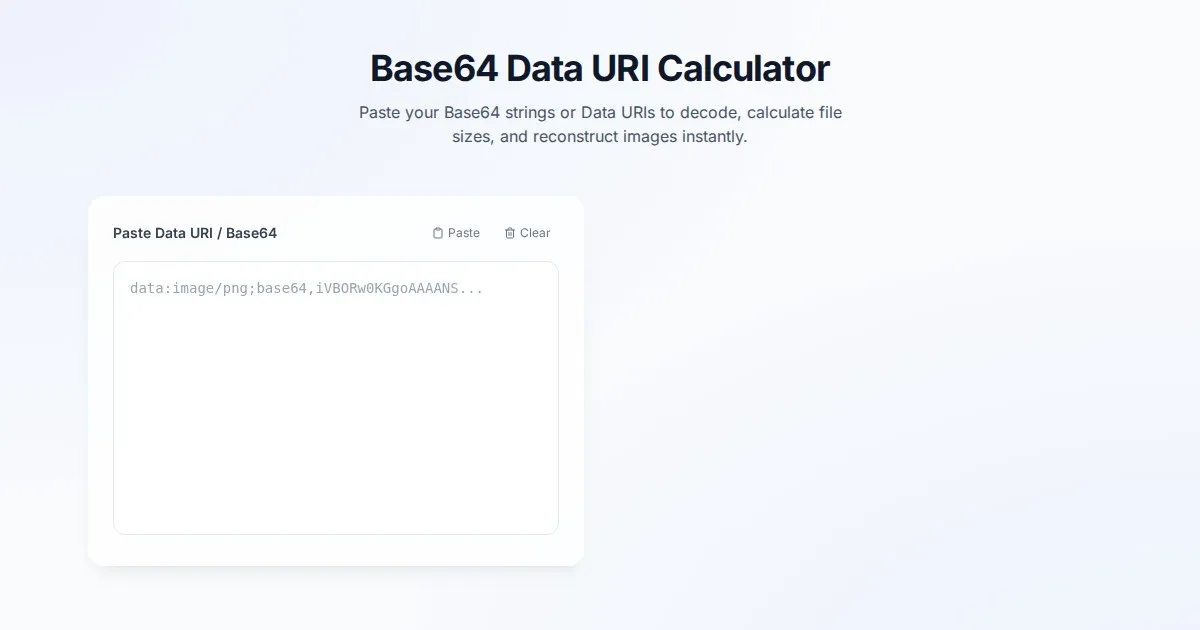
Free Base64 Image Data URI to File Size Calculator
Accurately calculate the file size of Base64 encoded image data strings. This free, web-based tool helps developers estimate binary file sizes for web apps.
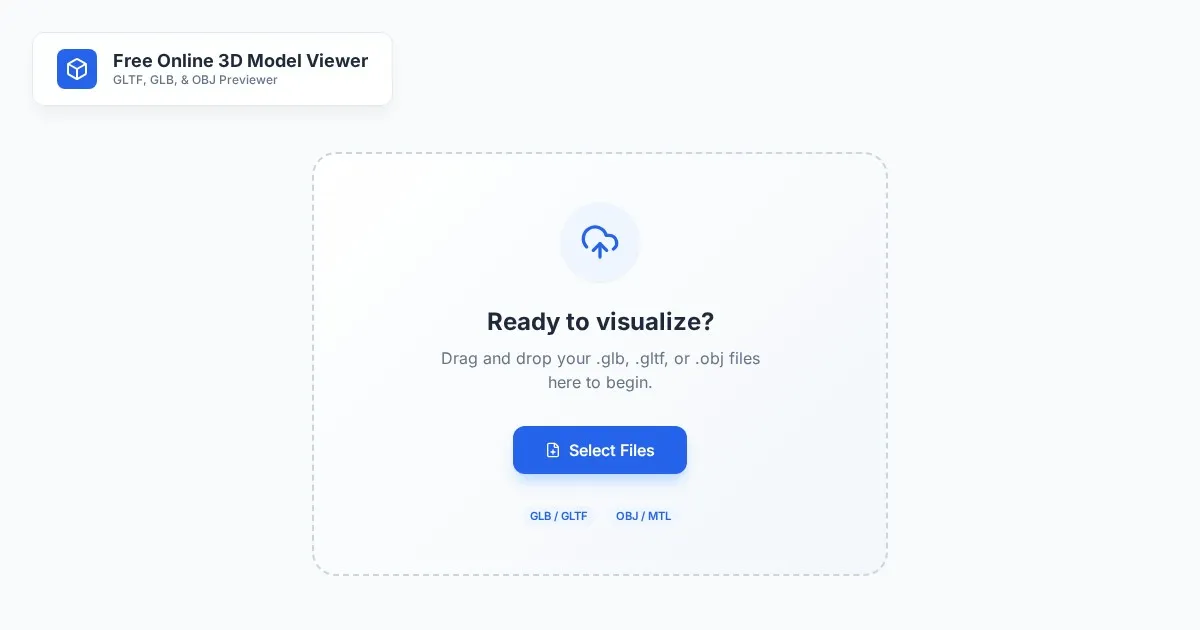
Free Online 3D Model Viewer - GLTF & OBJ File Previewer
Instantly preview 3D models online with this free 3D Model Viewer. Support for GLTF, GLB, and OBJ formats. Drag and drop your files for a fast, browser-based render.

Free Online Color Blindness Simulator & Image Filter Tool
Easily simulate color vision deficiencies like protanopia, deuteranopia, and tritanopia. Upload images to test design accessibility for color blindness.
Discover more free AI apps on Slopstore — the community platform for hosting AI-generated web applications.