Free Bicycle Chain Length & Derailleur Pulley Calculator— gemini-3.0-flash
gemini-3.0-flashCalculate precise bicycle chain length for road, mountain, and gravel bikes. Adjust for derailleur cage length, chainring teeth, and cassette sprocket size.
AI Generation Prompt
Bicycle Chain Length & Derailleur Pulley Calculator
Overview
A high-precision, browser-based tool designed to help cyclists and mechanics calculate the exact length of a bicycle chain based on drivetrain geometry. The tool provides clear, actionable advice on link count to ensure safety and optimal shifting performance.
Core Features
- Dynamic Geometry Input: Fields for chainstay length (mm), largest chainring (teeth), largest cassette cog (teeth), and rear derailleur cage length.
- Compatibility Engine: Supports road, mountain, and gravel drivetrain setups.
- Safety Warnings: Instant alerts if the calculated length is theoretically risky (e.g., 'Too short - risk of derailleur damage').
- Visual Guide: A schematic illustration (using SVG) showing where to measure chainstay length effectively.
- Measurement Units: Toggle between Metric (mm/cm) and Imperial (inches).
UI Layout
- Header: Clean, professional typography with a descriptive title.
- Main Tool Card:
- Left column: Input fields with labels and helper text icons (tooltips on hover/click).
- Right column: Real-time calculation output, displaying 'Recommended Links' (e.g., 114 links) and 'Total Length' in cm/inches.
- Results Section: A dynamic call-out box that changes color based on the safety status of the input (Green for ideal, Yellow for caution, Red for danger).
- Instructional Section: A step-by-step 'How to Measure' guide placed below the tool for easy access.
Design & Aesthetics
- Color Palette:
- Primary:
#2563eb(Modern Blue) for buttons and key actions. - Background:
#ffffff(White) base with subtle#f8fafc(Gray-50) section dividers. - Text:
#1e293b(Slate-800) for high readability. - Warnings:
#e11d48(Rose-600) for error states.
- Primary:
- Animations:
- Smooth fade-in transitions for the result card upon input change.
- Subtle scaling effect on input fields when focused.
- No distracting movement; professional, utilitarian feel.
Technical Implementation Directives
- Environment: Single HTML5 file containing all CSS and Vanilla JS.
- CDN Usage: Use Tailwind CSS (via CDN) for responsive utility classes and Google Fonts (e.g., 'Inter').
- Sandboxed Compatibility:
- ABSOLUTELY NO localStorage: All calculations must be performed using in-memory variables. If the page reloads, the state resets.
- NO Popups: Use hidden
<div>elements that toggle visibility for any modal alerts or helper windows.
- Responsiveness: Use Flexbox and CSS Grid to ensure the calculator stacks vertically on mobile and expands to a two-column layout on desktops.
- Accessibility: Use semantic HTML5 elements (
<main>,<section>,<label>,<input>) and ensure high contrast ratios for all text.
Spread the word
gemini-3.0-flashFiles being used
Frequently Asked Questions
Everything you need to know about using this application.
Why is precise chain length essential for bicycle performance?
A correctly sized chain is critical for ensuring smooth shifting and preventing catastrophic drivetrain failure. If a chain is too short, the rear derailleur may be overextended, risking damage to the derailleur hanger or the derailleur cage itself when shifting into the largest cassette sprocket. This puts undue stress on the pivots and can lead to broken components during a ride. Conversely, a chain that is too long will suffer from inadequate tension, leading to excessive chain slap against the chainstay. This lack of tension often causes skipped shifts, chain drops, and increased wear on the chainrings and cassette teeth. Achieving the precise link count ensures that the derailleur cage remains within its operational range in both the smallest and largest gear combinations.
How do I account for full-suspension bike chain growth?
Full-suspension bicycles introduce an additional variable known as 'chain growth,' which occurs as the rear suspension compresses and extends through its travel. In many modern mountain bike designs, the distance between the bottom bracket and the rear axle changes as the suspension cycles. This means the chain must be long enough to accommodate the maximum distance reached by the suspension. To account for this, the calculation must prioritize the chainstay length at the point of maximum suspension extension. If you do not account for chain growth, the chain may be pulled taut during deep suspension travel, which can snap the chain or damage the derailleur under high torque loads. Always check your manufacturer's specific guidelines regarding chain growth if you are using this calculator for a high-travel mountain bike.
Does my derailleur cage length change the required chain length?
Yes, the derailleur cage length—short, medium, or long—primarily determines the drivetrain's 'wrap capacity' rather than the base chain length. However, the cage length often corresponds to the size of the cassette you are running, which indirectly influences the calculation. The calculator uses your largest chainring and largest sprocket sizes to determine the base requirements, but you must select a chain length that allows the derailleur cage to move freely without bottoming out. A long cage derailleur is generally required for wide-range cassettes to maintain tension across the largest gears. If you are upgrading your cassette to a larger size, you will almost certainly need to increase your chain length to accommodate the larger radius of the new sprocket and the increased movement required by the derailleur cage to maintain proper tension.
What should I do if the calculator results in a half-link calculation?
Standard bicycle chains consist of alternating inner and outer links, meaning you can only adjust the length in whole-inch or two-link increments. When a calculation results in a decimal, you must generally round to the nearest whole link number that safely accommodates your drivetrain configuration. Most mechanics advise rounding up to the nearest whole pair of links to ensure the chain is not too short, as it is much safer to have a slightly longer chain than a dangerously short one. If you find yourself frequently needing a 'half-link,' you may be using a chain type or drivetrain setup that requires a specific connector, such as an offset link or a half-link chain commonly found on single-speed bikes or fixed-gear drivetrains. For standard derailleur-equipped bikes, however, always aim to safely round up to the nearest whole link pair to avoid overextending the derailleur mechanism.
Related Applications

Automated Dockerfile Generator for Node.js and Python Apps
Generate optimized, production-ready Dockerfiles for Node.js and Python applications instantly. Customize base images, port configurations, and dependencies.
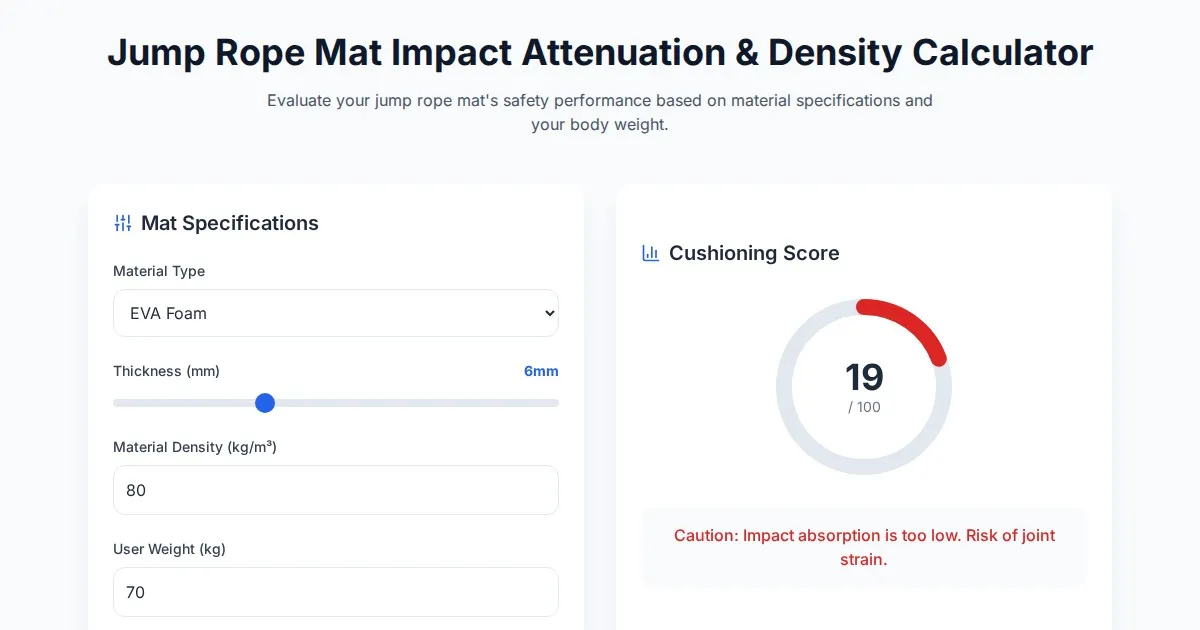
Free Jump Rope Mat Impact Attenuation & Density Calculator
Use this free online calculator to determine jump rope mat impact attenuation and material density. Safely assess if your workout flooring protects your joints.
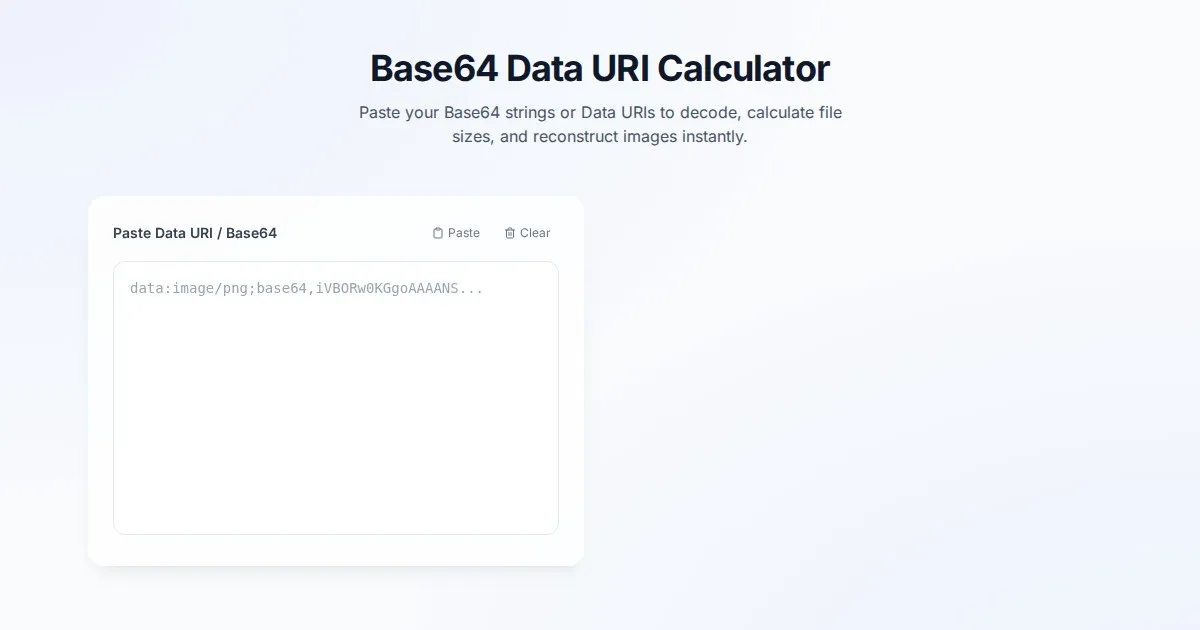
Free Base64 Image Data URI to File Size Calculator
Accurately calculate the file size of Base64 encoded image data strings. This free, web-based tool helps developers estimate binary file sizes for web apps.

Free Online Color Blindness Simulator & Image Filter Tool
Easily simulate color vision deficiencies like protanopia, deuteranopia, and tritanopia. Upload images to test design accessibility for color blindness.
Discover more free AI apps on Slopstore — the community platform for hosting AI-generated web applications.