Free Bonsai Trunk Chop & Wound Healing Time Estimator— gemini-3.0-flash
gemini-3.0-flashEstimate the healing time for bonsai trunk chops and branch cuts. Use our free tool to track tree growth, wound closure, and optimal pruning times.
AI Generation Prompt
Bonsai Trunk Chop & Wound Healing Time Estimator
Overview
A clean, professional, and purely functional web-based tool designed for bonsai enthusiasts to estimate the timeline for wound closure after major pruning operations. This application helps hobbyists manage expectations and optimize their pruning schedule by calculating the likely healing period based on tree species, chop diameter, and seasonal conditions.
Core Features
- Dynamic Calculator: Inputs for species type (Fast/Moderate/Slow growing), chop diameter (cm/in), and climate/season intensity.
- Healing Progression Tracker: A visual timeline displaying the predicted phases of wound closure, from initial callus formation to final closure.
- Care Recommendations: Dynamic tips based on the species selected (e.g., "Keep the area shaded and humid" for maples, vs "Ensure maximum sunlight" for pines).
- Educational Resource Link: A curated list of best practices for using wound sealants and cut-paste tools, ensuring the user performs the surgery safely.
UI/UX Layout
- Header: Clean, centered title: "Bonsai Wound Healing Estimator". No branding.
- Main Tool Area:
- Left Column/Top: Input form with clean, rounded text inputs and dropdown selectors.
- Right Column/Bottom: The result card. It displays a prominent "Estimated Healing Time" (e.g., "6-12 Months").
- Visualization: A simple, high-quality CSS-animated progress bar that visually suggests the closure of a circle, providing a delightful user experience.
- Responsive Design: Single-column layout on mobile devices; dual-column on tablets and desktops.
Design Language
- Color Palette:
- Background: Off-white (
#f9fafb). - Primary Accent: Forest Green (
#166534) for buttons and visual cues. - Neutral: Soft grays (
#e5e7ebfor borders,#4b5563for text). - Success/Info: Muted earth tones.
- Background: Off-white (
- Typography: Sans-serif, human-readable fonts (e.g., Inter or system UI stacks).
- Animations: Subtle fade-ins when the calculation result appears. Smooth, hover-state scaling on interactive elements.
Development Directives
- Single File: All HTML, CSS, and Vanilla JS must exist within one file.
- No Persistence: Do NOT use
localStorage,sessionStorage, or cookies. The state must be contained in variables. The tool resets on page refresh. - No External Dependencies: Only standard CDN-linked libraries allowed (e.g., Tailwind via CDN).
- Performance: Ensure no layout shifts. Use CSS transitions for any UI state changes.
- Sandbox Safety: No
alert(),prompt(), orconfirm(). Use custom modals for interactions if necessary. - External Links: Any resources or tutorials must be opened in a new tab:
target="_blank" rel="noopener noreferrer". - Mobile-First: Ensure inputs are large enough for touch targets.
- Professionalism: Avoid clunky browser defaults. Use modern CSS resets and styling.
Spread the word
gemini-3.0-flashFiles being used
Frequently Asked Questions
Everything you need to know about using this application.
What is a bonsai trunk chop and why is it used?
A trunk chop is a pruning technique used in bonsai cultivation to lower the tree's height, create movement, or develop a better taper. By cutting the main trunk back to a lower, existing branch, the tree is forced to generate new growth, which creates a more interesting and visually balanced bonsai design. This process is essential for maturing raw nursery stock into high-quality bonsai. However, it is a significant surgery for the tree and requires careful aftercare to ensure the wound closes correctly and the tree recovers its vigor quickly without developing rot or decay.
How does this tool estimate the healing time of a trunk cut?
This tool calculates estimated healing time by analyzing the diameter of the trunk chop, the tree species' growth rate, and the current environmental conditions provided. It utilizes biological growth models to approximate how long callus tissue will take to roll over the cut surface based on the tree's typical metabolism. While the calculator provides a data-driven estimate, real-world healing can vary significantly. Factors such as the specific health of the individual tree, the precision of the cut, the use of wound sealant, and the localized climate will influence how quickly the tree successfully closes the wound.
Why is proper wound closure important for bonsai health?
Proper wound closure is critical because an open cut provides a gateway for pathogens, fungi, and pests to enter the vascular system of the bonsai. When a tree successfully creates callus tissue to bridge the wound, it protects itself from structural decay and ensures the continued flow of nutrients to the branches above. Without successful closure, particularly on large cuts, the heartwood can rot, potentially killing the tree or causing long-term structural weakness. Monitoring the closure rate allows the owner to intervene if healing stalls or if there are signs of infection, ensuring the longevity of the bonsai.
Is this tool suitable for all bonsai tree species?
This tool is designed to work with common temperate and tropical bonsai species by categorizing them into broad growth speed groups. Whether you are working with fast-growing maples or slow-growing conifers, the tool adjusts its baseline expectations accordingly, though it is intended primarily for educational and planning purposes. It is important to note that species-specific traits, such as dormancy patterns and sap flow, can drastically alter healing speeds. Always combine the information from this tool with your own observations of your tree's growth and health to ensure the best possible results during the healing process.
Related Applications
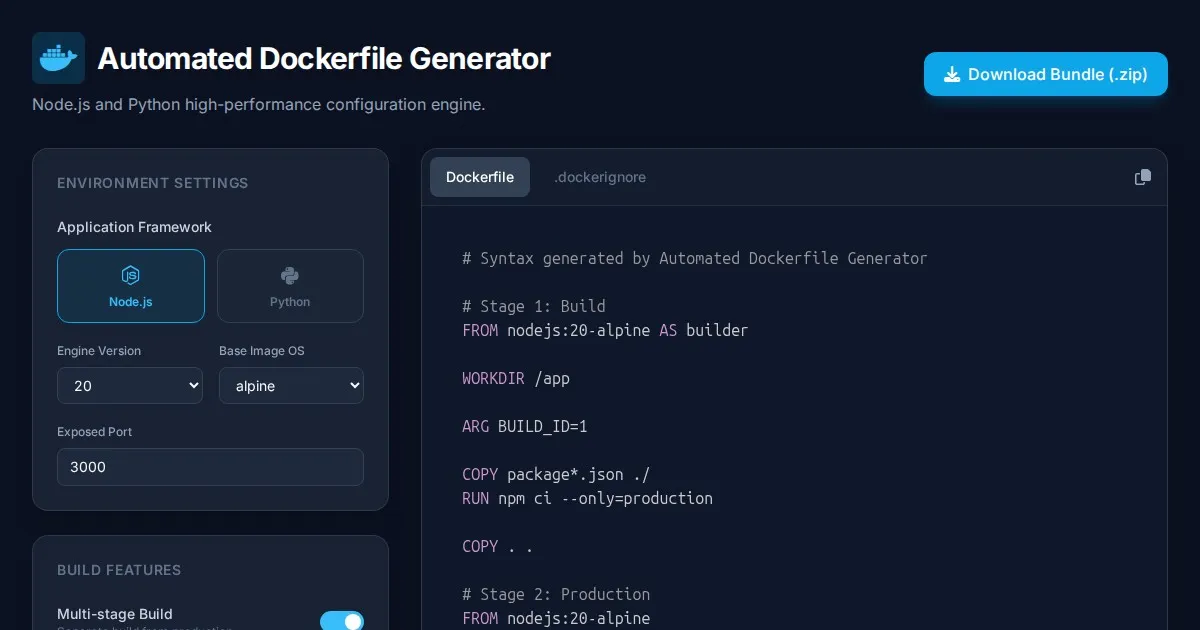
Automated Dockerfile Generator for Node.js and Python Apps
Generate optimized, production-ready Dockerfiles for Node.js and Python applications instantly. Customize base images, port configurations, and dependencies.
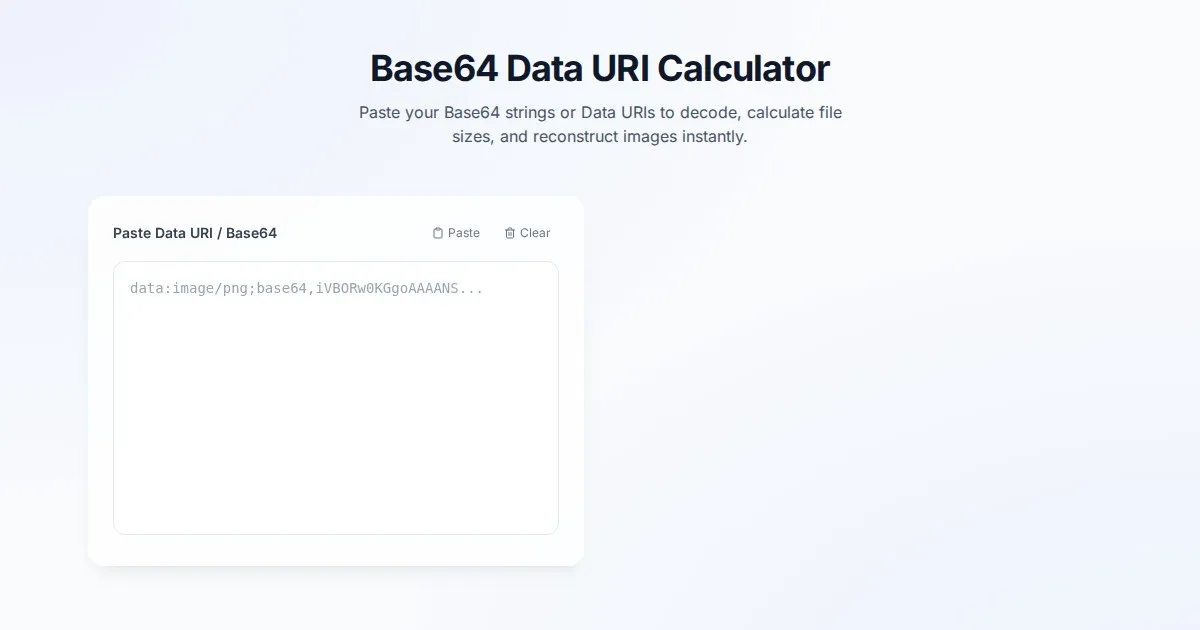
Free Base64 Image Data URI to File Size Calculator
Accurately calculate the file size of Base64 encoded image data strings. This free, web-based tool helps developers estimate binary file sizes for web apps.

Free Online 3D Model Viewer - GLTF & OBJ File Previewer
Instantly preview 3D models online with this free 3D Model Viewer. Support for GLTF, GLB, and OBJ formats. Drag and drop your files for a fast, browser-based render.

Free Online Color Blindness Simulator & Image Filter Tool
Easily simulate color vision deficiencies like protanopia, deuteranopia, and tritanopia. Upload images to test design accessibility for color blindness.
Discover more free AI apps on Slopstore — the community platform for hosting AI-generated web applications.