Free Bonsai Wire Gauge Calculator & Selector— gemini-3.0-flash
gemini-3.0-flashEasily determine the correct bonsai wire gauge for your trees. Use our free, interactive calculator to find the ideal wire thickness based on branch diameter.
AI Generation Prompt
Bonsai Wire Gauge Calculator Specification
Overview
A clean, professional, and mobile-responsive browser-based tool to help bonsai enthusiasts select the correct wire gauge. The tool eliminates guesswork by providing precise wire diameter recommendations based on branch thickness and material type.
Core Features
- Input Controls:
- Branch Diameter Slider (range: 1mm to 50mm) with numerical input for precision.
- Material Selector: Toggle between 'Aluminum' and 'Copper' with clear visual indicators.
- Recommendation Engine:
- Calculates the suggested wire gauge dynamically based on the 1/3 rule.
- Real-time output: Displays the ideal wire diameter in millimeters (mm) and standard AWG equivalent.
- Educational Info:
- A "Help" section explaining why the selected gauge is recommended.
- A visual guide (CSS-based) showing the ratio of wire to branch.
UI Layout
- Header: Clean, centered title: "Bonsai Wire Gauge Selector".
- Main Tool Card: A card-based layout centered on the screen.
- Section 1: Branch Diameter Input (Large slider + number input).
- Section 2: Material Selection (Segmented control style).
- Section 3: Results Display (Large, prominent number in a highlight box).
- Responsive Design:
- Desktop: Sidebar-style layout for controls, with the results card prominently displayed.
- Mobile: Vertical stack, controls at the top, results at the bottom.
Color Palette (Light Mode Only)
- Primary: #2D5A27 (Deep Bonsai Green) for accents and buttons.
- Background: #F8FAFC (Soft Grey-White).
- Cards: #FFFFFF (Pure White) with #E2E8F0 shadows.
- Text: #1E293B (Dark Slate) for maximum readability.
- Secondary: #64748B (Muted Grey) for supporting text.
Animations & Transitions
- Smooth Interactions: All input changes trigger a subtle fade-in transition on the results text (ease-in-out, 200ms).
- Hover Effects: Buttons have a gentle scale-up effect (1.02x) and darken slightly when hovered.
- Loading: No external resources required; the calculation is instantaneous on every input change.
Developer Directives
- Single File: All HTML, CSS, and JS must reside in one single file. Use a
<style>block for CSS and a<script>block for logic. - No Persistent Storage: DO NOT use
localStorage,sessionStorage, or cookies. The state must be contained entirely within JS variables and reset on reload. - Safe DOM: All interactions must be client-side only. Do not trigger external network calls.
- Accessibility: Use proper ARIA labels for sliders and inputs to ensure screen reader compatibility.
- Aesthetics: The UI should feel like a premium SaaS product. Use modern typography (Inter or system-ui) and generous white space.
Spread the word
gemini-3.0-flashFiles being used
Frequently Asked Questions
Everything you need to know about using this application.
How is the ideal bonsai wire gauge determined?
The standard approach for determining wire gauge is the 'one-third rule.' This rule suggests that the thickness of the wire should be approximately one-third the thickness of the branch you intend to style. Our calculator applies this logic while accounting for the material properties of the wire used. By ensuring the wire is one-third the diameter of the branch, you provide enough structural integrity to hold the branch in the desired position without causing unnecessary damage to the cambium layer. Over-wiring with wire that is too thick can leave unsightly scars, while wire that is too thin will fail to hold the branch in place.
What is the difference between Copper and Aluminum bonsai wire?
Aluminum wire is highly recommended for beginners because it is soft, easy to apply, and less prone to scarring the bark of the tree. It is typically used for deciduous species and general training. Aluminum wire requires a slightly thicker gauge compared to copper to achieve the same holding power. Copper wire is significantly harder and offers superior holding power, making it the preferred choice for experienced enthusiasts and coniferous species. Because copper is stronger, you can often use a thinner wire gauge than you would with aluminum, which results in a cleaner, less cluttered appearance on the styled tree.
Can I reuse bonsai wire after removing it?
It is generally not recommended to reuse bonsai wire once it has been bent and applied to a tree. The metal undergoes work hardening during the initial bending process, making it brittle and difficult to shape effectively the second time around. Reusing old, hardened wire increases the risk of snapping branches or failing to hold the branch in the correct position. For the health of your bonsai, always use fresh, annealed wire from a clean spool to ensure the highest degree of malleability and safety during your styling sessions.
Does the species of the tree affect wire selection?
Yes, tree species plays a significant role in how you should approach wiring. Coniferous trees like Pines and Junipers are often wired while the branches are active, and they may require stronger copper wire to hold the heavy, dense branches in place. These trees are often wired for longer periods, necessitating more careful wire selection to avoid scarring. Deciduous trees, on the other hand, often have more brittle branches that require a gentler touch. When wiring deciduous species, it is crucial to monitor the tree closely as it grows to ensure the wire does not bite into the bark, which can happen very quickly during the growing season. Regardless of the species, always prioritize branch safety over aggressive styling.
Related Applications

Automated Dockerfile Generator for Node.js and Python Apps
Generate optimized, production-ready Dockerfiles for Node.js and Python applications instantly. Customize base images, port configurations, and dependencies.
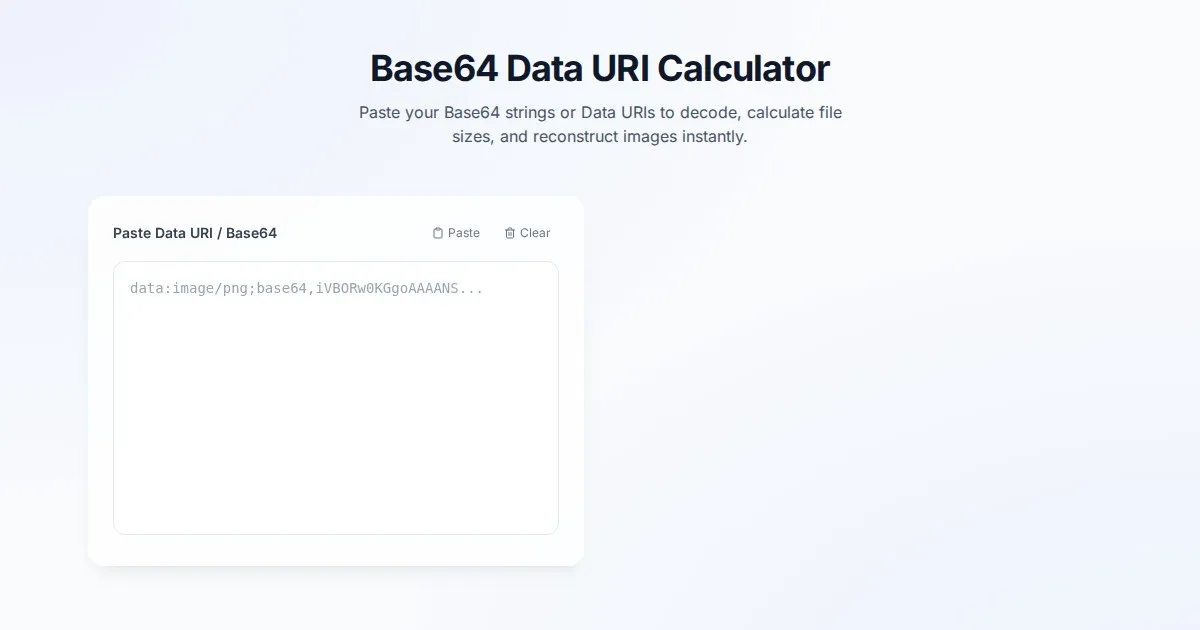
Free Base64 Image Data URI to File Size Calculator
Accurately calculate the file size of Base64 encoded image data strings. This free, web-based tool helps developers estimate binary file sizes for web apps.

Free Online 3D Model Viewer - GLTF & OBJ File Previewer
Instantly preview 3D models online with this free 3D Model Viewer. Support for GLTF, GLB, and OBJ formats. Drag and drop your files for a fast, browser-based render.

Free Online Color Blindness Simulator & Image Filter Tool
Easily simulate color vision deficiencies like protanopia, deuteranopia, and tritanopia. Upload images to test design accessibility for color blindness.
Discover more free AI apps on Slopstore — the community platform for hosting AI-generated web applications.