Free Calisthenics Planche Progression Center of Mass Calculator— gemini-3.0-flash
gemini-3.0-flashUse our free calisthenics planche center of mass calculator to analyze biomechanical leverage. Optimize your planche training with precise body segment analysis.
AI Generation Prompt
Calisthenics Planche Progression Center of Mass Calculator
App Overview
A professional-grade, browser-based utility designed for calisthenics athletes to calculate and visualize the biomechanical leverage required for different planche progressions. The app provides real-time CoM shift data based on user-provided anthropometric measurements, helping users understand the mechanical difficulty of various static holds.
Core Features
- Anthropometric Input Engine: Sliders for fine-tuning arm length, torso length, and leg/thigh length to create a custom user avatar.
- Progression Selection: Interactive selector for Tuck, Advanced Tuck, Straddle, and Full Planche variations.
- Dynamic SVG Visualizer: A high-fidelity, interactive SVG diagram that updates in real-time as the user adjusts input variables. It renders the 'fulcrum' (shoulders) and the shifting 'CoM' vector.
- Torque Estimation: Provides a relative difficulty score and a visual representation of the torque required to hold the selected position.
- Form Advice Overlay: Dynamically generated textual advice based on the user's input (e.g., "Your torso length suggests you may need extra focus on scapular protraction").
UI/UX Design
- Aesthetic: Clean, light-mode, modern SaaS look. Uses a palette of crisp white (#FFFFFF), soft steel blues (#E8EFF5), and deep charcoal (#334155) for typography.
- Layout:
- Header: Minimalist title with a single navigation toggle for 'Help' and 'About'.
- Main Container: A split-screen layout. The left side handles input parameters (sliders, inputs). The right side renders the interactive SVG and analysis results.
- Responsiveness: Stacks the input column and the visualization column on mobile devices. Uses smooth CSS transitions for all UI elements.
- Animations: Soft fades for content transitions; subtle hover effects on buttons; smooth, interpolated movement for the SVG CoM vector as sliders move.
Technical Requirements
- Architecture: Single-file HTML5/CSS3/Vanilla JavaScript.
- State Management: All calculations occur in-memory. NO localStorage, cookies, or database interaction allowed.
- Sandboxed Execution: Strictly complies with null-origin iframe requirements. All UI interactions (modals, help screens) are custom-coded DOM elements.
- Performance: High-frequency update loop for the SVG drawing to ensure real-time interaction without lag.
- Dependencies: None. Pure JavaScript for geometry calculations.
Developer Instructions
- Do not use any external frameworks. All UI must be constructed with plain HTML5 and CSS.
- No persistent storage. Every session resets to default. Do not use localStorage or cookies.
- Design Aesthetics: Use a 'SaaS' look—plenty of whitespace, rounded corners (8px radius), subtle drop shadows, and professional sans-serif typography (system fonts are acceptable).
- Security: Ensure all links open in a new tab with
target="_blank" rel="noopener noreferrer". - Accessibility: All sliders must have accessible labels and inputs for keyboard navigation.
Spread the word
gemini-3.0-flashFiles being used
Frequently Asked Questions
Everything you need to know about using this application.
What is a Center of Mass Calculator for Planche training?
A Center of Mass (CoM) calculator for calisthenics is a specialized biomechanical tool designed to help athletes understand the leverage requirements of the planche skill. By inputting body segments—such as arm length, torso length, and leg length—the tool calculates where your gravity vector shifts during various progressions like the tuck, advanced tuck, straddle, and full planche. Understanding your unique anthropometry allows you to adjust your training volume and intensity more effectively. Because every individual has different limb ratios, this tool provides a personalized estimation of the mechanical disadvantage you will face in each progression, allowing for a more data-driven approach to your street workout routine.
How does the calculator determine difficulty between progressions?
The calculator determines difficulty by analyzing the distance between your shoulder joint (the fulcrum) and your body's total center of mass. As you move from a tuck to a full planche, your center of mass shifts further away from the fulcrum, drastically increasing the torque required by your anterior deltoids and scapular protractors to maintain a horizontal position. By providing a visual representation of this shift, the tool illustrates why the 'straddle' planche is significantly harder than the 'advanced tuck,' even if the visual change seems minor. This helps users set realistic expectations for strength gains and progression plateaus, ensuring a safer and more structured path to achieving a straight-arm planche.
Can this tool help me progress faster toward a full planche?
While the tool itself does not provide physical strength, it aids in faster progression by allowing you to visualize 'intermediate' steps that bridge the gap between static holds. You can experiment with slight variations in hip height or leg spread to find the optimal 'sweet spot' where your center of mass is manageable relative to your current strength level. Furthermore, by understanding the mechanics of your specific body type, you can identify which planche progressions should be prioritized. For example, athletes with longer limbs may find specific variations harder, and this tool helps them account for that anatomical reality, reducing frustration during the long learning process.
Is this tool suitable for beginners or just advanced athletes?
This tool is valuable for athletes at any stage, from those just starting their calisthenics journey to advanced practitioners looking to refine their form. Beginners can use it to understand the fundamental physics behind the planche, which helps in learning proper 'lean' mechanics during basic exercises like planche leans or pseudo-planche pushups. Advanced athletes can use the tool to debug their form, checking if their hip position or leg angle during a straddle planche is truly optimal. It serves as an educational bridge, turning the abstract concept of 'leverage' into tangible, measurable data points that anyone can understand and apply to their workout.
Related Applications

Automated Dockerfile Generator for Node.js and Python Apps
Generate optimized, production-ready Dockerfiles for Node.js and Python applications instantly. Customize base images, port configurations, and dependencies.
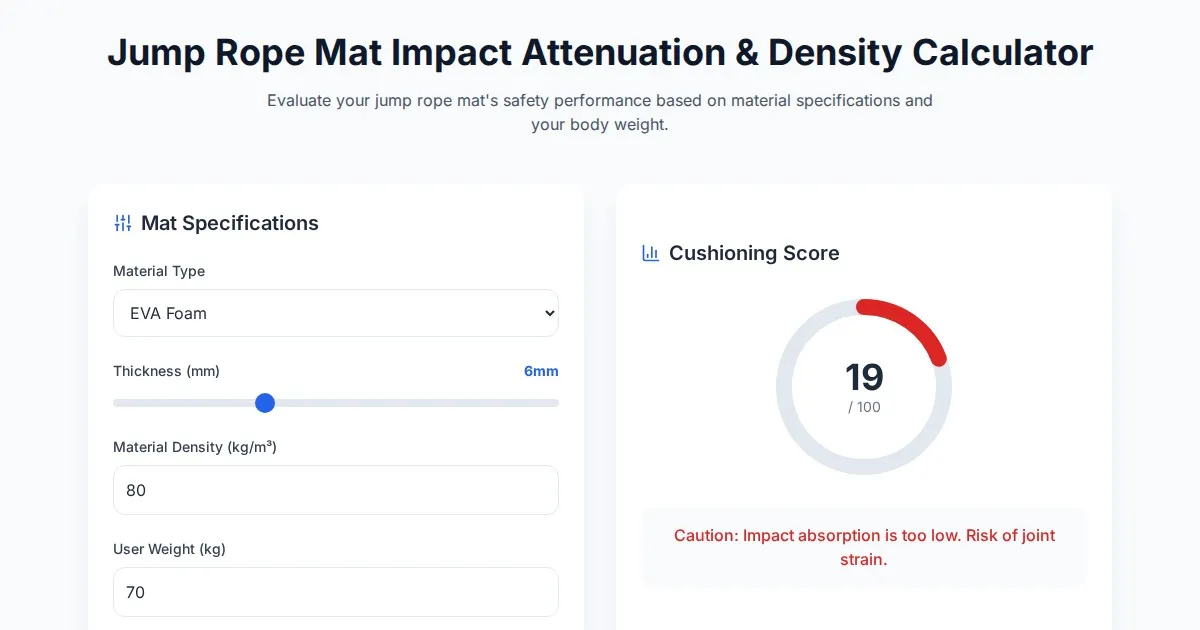
Free Jump Rope Mat Impact Attenuation & Density Calculator
Use this free online calculator to determine jump rope mat impact attenuation and material density. Safely assess if your workout flooring protects your joints.

Free Base64 Image Data URI to File Size Calculator
Accurately calculate the file size of Base64 encoded image data strings. This free, web-based tool helps developers estimate binary file sizes for web apps.

Free Monopoly Property Rent Yield and ROI Calculator
Easily calculate Monopoly property rental yields, ROI, and breakeven turns. Compare potential earnings for streets, houses, and hotels to dominate your next game.
Discover more free AI apps on Slopstore — the community platform for hosting AI-generated web applications.