Free Car MPG to L/100km Fuel Economy Calculator— gemini-3.0-flash
gemini-3.0-flashConvert fuel economy instantly with this free MPG to L/100km calculator. Accurately switch between imperial and metric fuel consumption units for any vehicle.
AI Generation Prompt
Technical Specification: Fuel Economy Unit Converter
1. Overview
A high-performance, responsive web-based utility for converting fuel efficiency units. The tool enables users to seamlessly convert between Miles Per Gallon (MPG) and Liters per 100 kilometers (L/100km).
2. Core Features
- Dual-Mode Conversion: Real-time bi-directional conversion. Input in the MPG field automatically updates the L/100km field and vice-versa.
- Precision Controls: Standard rounding to two decimal places for clarity, with high-precision internal calculations.
- Visual Efficiency Gauge: A dynamic color-coded bar (Red to Green) providing a visual representation of how efficient a specific consumption rate is compared to industry averages.
- Instant Reset: A single-click 'Clear' button to reset all fields.
- Responsive UI: A mobile-first design that adjusts from a wide desktop layout to a stacked, touch-friendly mobile layout.
3. UI/UX Specification
- Design Aesthetic: Minimalist 'SaaS' look. Use a soft, neutral light-gray background (#F9FAFB) with white cards (#FFFFFF) for the inputs.
- Typography: Sans-serif, clean, and highly readable (e.g., 'Inter' or 'system-ui').
- Spacing: Generous white space for a professional look. Soft shadows (e.g.,
box-shadow: 0 4px 6px -1px rgb(0 0 0 / 0.1)) on input cards. - Interactions: Inputs should have a subtle border color transition when focused (e.g., border-blue-500).
4. Technical Implementation Directives
- Architecture: One single
.htmlfile containing all CSS and JS. - Vanilla JS Only: Logic must be written in pure JavaScript. Event listeners should trigger the conversion formula
(235.215 / MPG = L/100km)instantly on input events. - Storage Constraints: ABSOLUTELY NO use of
localStorage,sessionStorage, orcookies. Calculations must remain purely in-memory variables. - Accessibility: Ensure all inputs have associated
<label>elements oraria-labelattributes for screen readers. - Responsiveness: Use CSS Flexbox/Grid for layout. No fixed-width containers; use relative percentages and max-width constraints (e.g.,
max-width: 600px). - Asset Management: Use CDN links for any icons (e.g., FontAwesome) or fonts (Google Fonts). Ensure all links have
target="_blank"andrel="noopener noreferrer".
5. Color Palette
- Primary Blue:
#3B82F6(For buttons and active focus states) - Text:
#111827(Heading),#4B5563(Body) - Background:
#F9FAFB(Main background),#FFFFFF(Card background) - Border:
#E5E7EB(Subtle dividers) - Efficiency Colors: Red (
#EF4444) to Green (#22C55E) for the efficiency gauge visualizer.
6. Developer Guidelines
- Do not include any branding or company names.
- Ensure the application works inside a sandboxed iframe (no popups, no cookies).
- The CSS must be injected via a
<style>block in the<head>. - The JS must be injected via a
<script>block before the closing</body>tag.
Spread the word
gemini-3.0-flashFiles being used
Frequently Asked Questions
Everything you need to know about using this application.
How do I convert MPG to L/100km?
To convert Miles Per Gallon (MPG) to Liters per 100 kilometers (L/100km), you use the standard conversion factor of 235.215. You divide 235.215 by your current MPG figure to determine how many liters of fuel your vehicle consumes per 100 kilometers traveled. This calculation is a constant standard used internationally for automotive fuel metrics. Because the MPG system measures distance per volume and L/100km measures volume per distance, the relationship is inverse. Higher MPG numbers indicate better fuel economy, whereas higher L/100km numbers indicate worse fuel economy. Using a dedicated calculator helps avoid manual math errors during this inverse conversion.
Why is it important to know both MPG and L/100km?
Understanding both units is crucial when traveling internationally or comparing vehicle specifications from different regions. Vehicles manufactured for the US or UK market typically use MPG, while vehicles sold in Europe, Canada, and Australia use the metric L/100km system. Having a quick way to convert these allows you to make informed comparisons about fuel costs. Additionally, L/100km provides a clearer picture of fuel consumption over set distances, making it easier to estimate total fuel needed for long road trips. Being able to toggle between these units ensures you can plan your logistics accurately regardless of which region's specifications you are reading.
Is this fuel efficiency calculator accurate for all vehicle types?
Yes, this converter uses standard mathematical conversion constants that apply universally to all combustion-engine vehicles, including gasoline, diesel, and hybrid cars. The physical measurement of fuel consumption remains the same regardless of the engine type or fuel source, so the conversion formula is constant. While the calculator provides an accurate unit conversion, remember that real-world fuel economy is affected by driving conditions, tire pressure, and vehicle maintenance. This tool is designed to assist with unit conversion, not to diagnose vehicle performance issues or track precise fuel logs over time.
Does this tool save my fuel logs?
This application operates entirely in your browser's memory without using cookies, local storage, or external databases. For your privacy and security, all calculations are performed locally in real-time, and no data is sent to a server or saved for future sessions. Every time you refresh the page, the calculator returns to its default state. Because we do not use local storage, you cannot save your car's specific history or fuel logs within this tool. We prioritize a lightweight, privacy-first experience where your data stays strictly on your device and vanishes as soon as the tab is closed, ensuring full compliance with modern browser sandbox requirements.
Related Applications
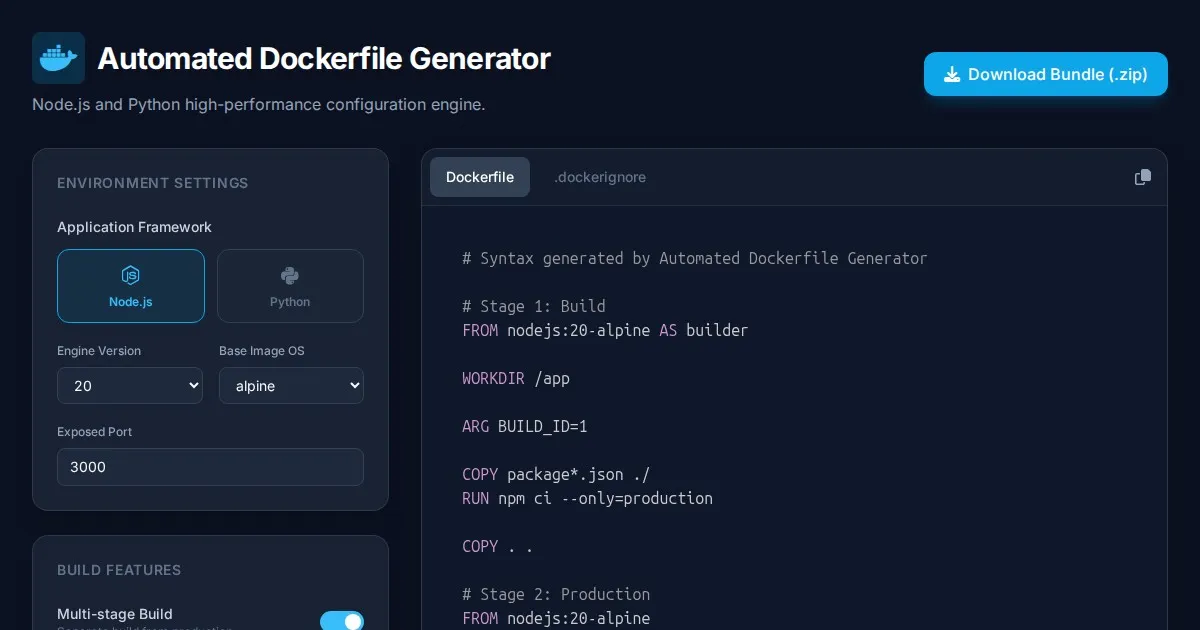
Automated Dockerfile Generator for Node.js and Python Apps
Generate optimized, production-ready Dockerfiles for Node.js and Python applications instantly. Customize base images, port configurations, and dependencies.
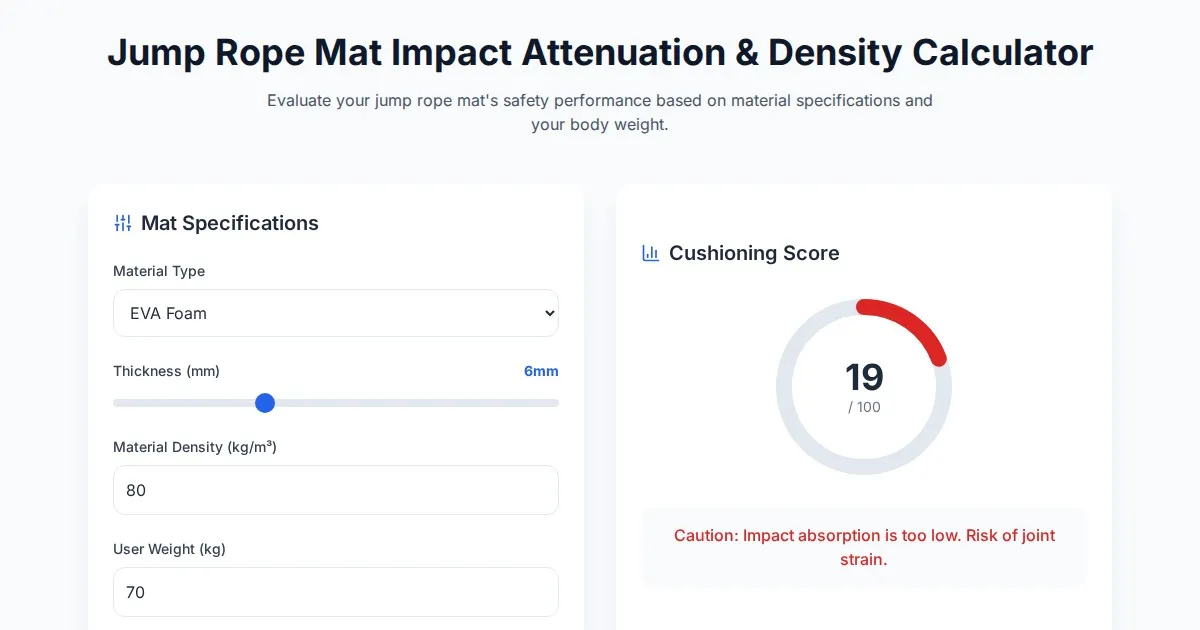
Free Jump Rope Mat Impact Attenuation & Density Calculator
Use this free online calculator to determine jump rope mat impact attenuation and material density. Safely assess if your workout flooring protects your joints.
Free Base64 Image Data URI to File Size Calculator
Accurately calculate the file size of Base64 encoded image data strings. This free, web-based tool helps developers estimate binary file sizes for web apps.

Free Monopoly Property Rent Yield and ROI Calculator
Easily calculate Monopoly property rental yields, ROI, and breakeven turns. Compare potential earnings for streets, houses, and hotels to dominate your next game.
Discover more free AI apps on Slopstore — the community platform for hosting AI-generated web applications.