Free Cinema Camera Shutter Angle to Shutter Speed Converter— gemini-3.0-flash
gemini-3.0-flashInstantly calculate shutter speed in seconds and milliseconds from shutter angle and frame rate. Essential free tool for cinematographers and videographers.
AI Generation Prompt
Cinema Camera Shutter Angle Calculator
Overview
A precision utility tool designed for cinematographers and videographers to convert shutter angle values to shutter speed (seconds/milliseconds) based on frame rate. The application focuses on clarity, speed, and ease of use in high-pressure production environments.
Key Features
- Real-time Conversion: Instant updates as parameters change.
- Preset Selector: Quick-select common shutter angles (360°, 180°, 172.8°, 144°, 90°, 45°, 22.5°).
- Frame Rate Support: Variable input for frame rates from 1 to 120+ fps.
- Visual Readouts: Displays shutter speed in both fractional form (e.g., 1/48) and milliseconds (e.g., 20.8ms).
- Copy to Clipboard: Quick-action button to copy the result for documentation.
- Mobile Optimized: Responsive interface that works on phones, tablets, and desktops without layout shifting.
Technical Specification
- Architecture: Single HTML file containing HTML5, CSS3, and Vanilla JavaScript.
- Storage: No
localStorageor persistence. All calculations are transient and memory-based. - Compatibility: Sandboxed environment compatible (no popups, no external dependencies outside of standard CDNs).
- Interactivity: Smooth CSS transitions (0.2s ease) on input changes and button hover states.
UI Design & Aesthetic
- Color Palette: Clean, high-contrast professional look.
- Background:
#F8FAFC(Soft Gray/White) - Card Surface:
#FFFFFF(Solid White) - Primary Accent:
#2563EB(Professional Blue) - Text:
#1E293B(Dark Slate) - Borders/Inputs:
#E2E8F0(Subtle Light Gray)
- Background:
- Layout:
- Centered calculator card with soft drop-shadow (subtle, professional).
- Distinct sections for: 1) Input Parameters (Frame Rate, Shutter Angle), 2) Calculated Output, 3) Reference Table (Optional).
- Clean typography using system-stack fonts (Inter or system sans-serif).
Developer Directives
- No Frameworks: Use standard DOM manipulation methods (
document.querySelector,addEventListener). - Performance: All calculation logic must be synchronous. Avoid heavy rendering cycles.
- Accessibility: Ensure high contrast for all text elements. Input fields should have clear labels.
- Constraint Compliance: Explicitly avoid
alert(),confirm(), or local data storage. Use a dynamic notification banner (positioned top-center) for user feedback if needed (e.g., "Result Copied!").
Spread the word
gemini-3.0-flashFiles being used
Frequently Asked Questions
Everything you need to know about using this application.
What is the relationship between shutter angle and shutter speed?
Shutter angle is a traditional term derived from mechanical rotating shutters in film cameras, representing a fraction of a 360-degree circle. The shutter speed (in seconds) is calculated by dividing the shutter angle by (360 multiplied by the frame rate). For instance, at a standard 24 frames per second (fps) with a 180-degree shutter, the calculation is 180 / (360 * 24), which equals 1/48th of a second. This tool automates this mathematical formula, allowing you to instantly visualize the exposure timing required for motion blur consistency.
Why use a 180-degree shutter angle for video?
The 180-degree shutter angle is widely considered the standard for natural motion blur in film and video production. It provides a balanced aesthetic where moving objects possess a fluid, realistic look that matches how the human eye naturally perceives motion. Using this angle, your shutter speed is effectively double your frame rate. If you deviate from this, such as using a tighter shutter angle like 45 degrees, you introduce 'staccato' or jerky motion. Conversely, a wider angle like 360 degrees creates heavy motion blur, which can look dreamy or smeared depending on the context.
Is this tool compatible with all cinema cameras?
Yes, this conversion tool relies on universal mathematical principles of cinematography and is compatible with any digital cinema camera or mirrorless camera that allows for manual shutter angle control. Whether you are using industry-standard cinema cameras or modern hybrid mirrorless systems, the physics of exposure timing remains constant. Because this tool calculates the shutter speed based on standard frame rates, it is an essential utility for directors of photography and camera operators working across various platforms, including 24p, 30p, 60p, or high-frame-rate slow-motion acquisition.
How do I calculate shutter speed for high frame rates?
Calculating shutter speeds for high frame rates, such as 60fps or 120fps, follows the same formula as standard frame rates. As the frame rate increases, the denominator in the shutter speed fraction must also increase to maintain the same motion blur characteristic, resulting in shorter exposure times. This application simplifies the process by allowing you to adjust the frame rate slider or input field, immediately updating the shutter speed readout. This ensures you can quickly verify your exposure settings without manually performing division in the field, helping you maintain consistent motion blur across your entire project timeline.
Related Applications
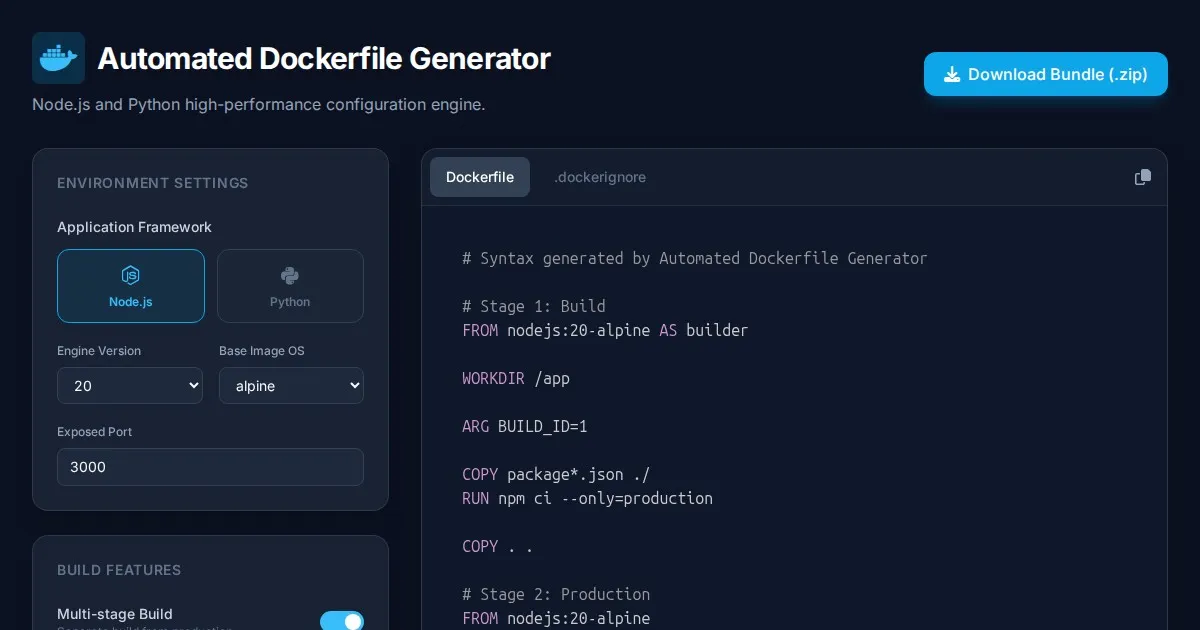
Automated Dockerfile Generator for Node.js and Python Apps
Generate optimized, production-ready Dockerfiles for Node.js and Python applications instantly. Customize base images, port configurations, and dependencies.
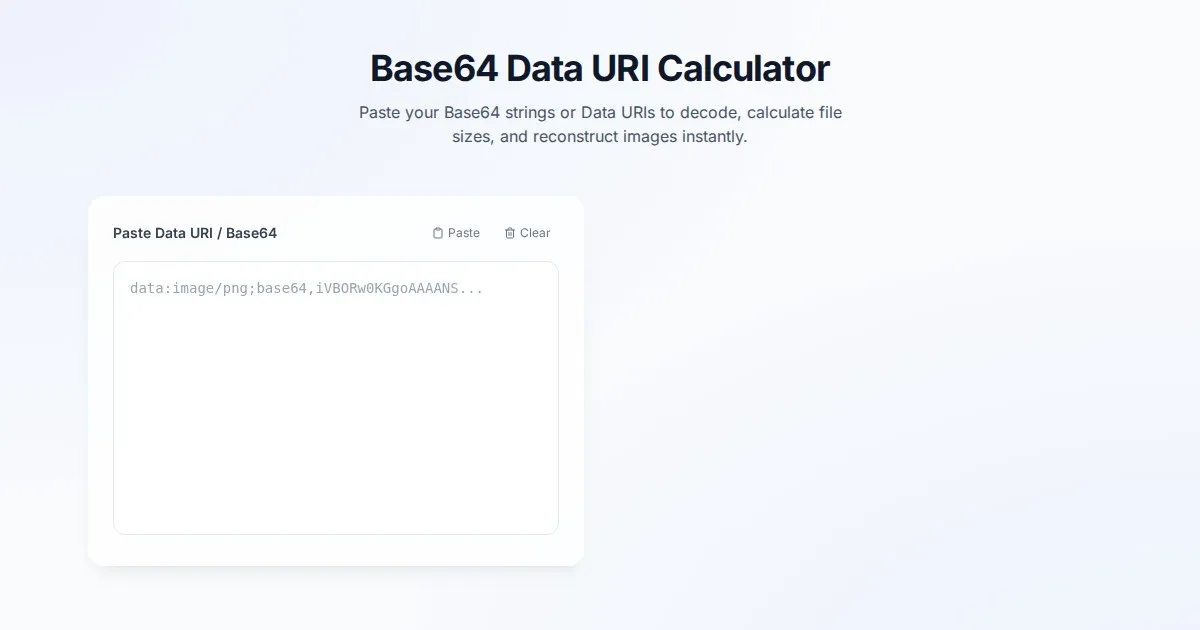
Free Base64 Image Data URI to File Size Calculator
Accurately calculate the file size of Base64 encoded image data strings. This free, web-based tool helps developers estimate binary file sizes for web apps.
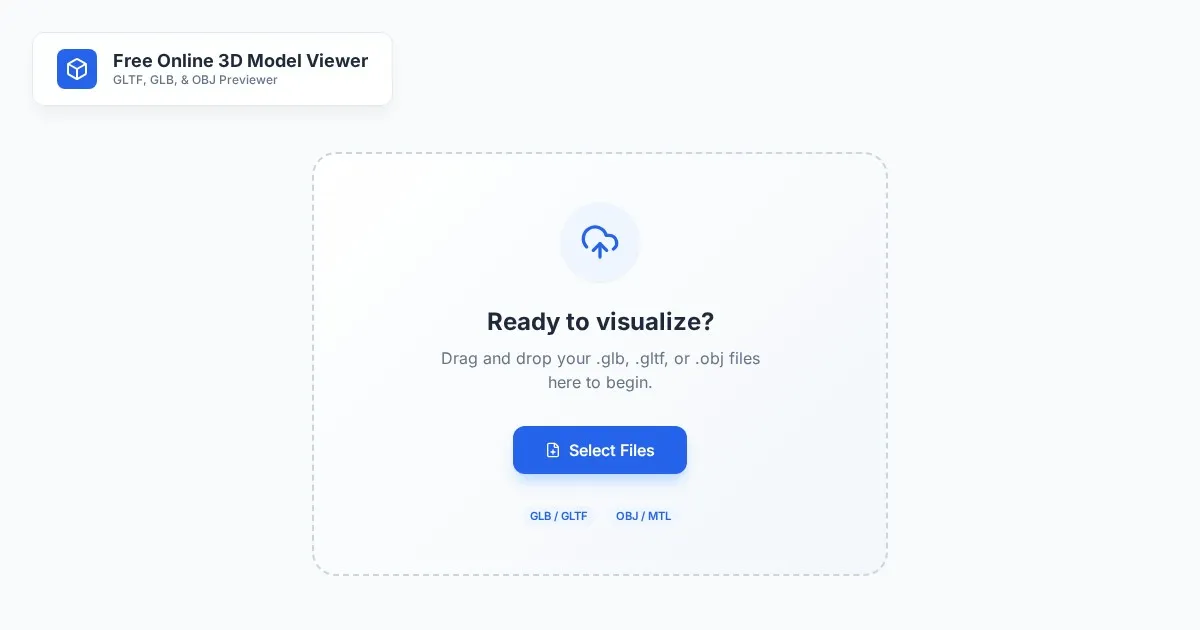
Free Online 3D Model Viewer - GLTF & OBJ File Previewer
Instantly preview 3D models online with this free 3D Model Viewer. Support for GLTF, GLB, and OBJ formats. Drag and drop your files for a fast, browser-based render.
Free Online Color Blindness Simulator & Image Filter Tool
Easily simulate color vision deficiencies like protanopia, deuteranopia, and tritanopia. Upload images to test design accessibility for color blindness.
Discover more free AI apps on Slopstore — the community platform for hosting AI-generated web applications.