Free Cognitive Distortion Journal Entry Categorizer Tool— gemini-3.0-flash
gemini-3.0-flashAnalyze your thoughts with our free Cognitive Distortion Journal Entry Categorizer. Improve emotional awareness by identifying common cognitive traps instantly.
AI Generation Prompt
Cognitive Distortion Journal Entry Categorizer
Overview
A clean, professional, and private browser-based tool designed to help users identify and label cognitive distortions in their journal entries. This tool follows Cognitive Behavioral Therapy (CBT) principles, providing a structured way to analyze negative thought patterns without any data persistence, ensuring maximum privacy.
Core Features
- Thought Entry Interface: A distraction-free text area to write down specific thoughts or stressful scenarios.
- Distortion Selector: An interactive checklist of common cognitive distortions (e.g., Catastrophizing, Mind Reading, Emotional Reasoning), each with a brief, helpful definition accessible via a tooltip or small modal.
- Reflection Module: An input field to rewrite the identified thought into a more objective, balanced alternative.
- Summary View: A clean, printable summary of the entry, the distortions found, and the balanced thought generated.
- PDF Export: A native print-friendly CSS style that hides the UI and renders only the journal entry content for physical or PDF storage.
UI/UX Specification
- Layout:
- Header: Minimalist title and a brief introductory text.
- Main Area: A two-column split layout on desktop (Input on the left, Distortion checklist on the right) that stacks vertically on mobile.
- Action Bar: Floating buttons at the bottom of the entry section for "Analyze" and "Print/Export".
- Color Palette (Light Mode Only):
- Background: Off-white (#F9FAFB)
- Primary Accent: Soft Indigo (#4F46E5) for main actions.
- Secondary Accent: Sage Green (#059669) for successful reflections.
- Text: Slate Grey (#1F2937) for body text.
- Borders: Light Grey (#E5E7EB).
- Animations:
- Smooth fade-in transitions for when the summary view replaces the input view.
- Hover effects on distortion checkboxes to provide subtle tactile feedback.
Technical Directives (Strict Compliance)
- Architecture: Must be a single
.htmlfile containing HTML, CSS, and Vanilla JavaScript. - Storage Constraint: CRITICAL: DO NOT use
localStorage,sessionStorage, or any persistent storage. All state must exist solely in memory. If the page is refreshed, the data is gone. - External Dependencies: Only reliable CDN links (e.g., Tailwind CSS, Google Fonts). No build-process required.
- Privacy: Since the app is sandboxed, ensure no external APIs are called. All processing happens locally in the browser.
- Aesthetic: Use high-quality box shadows, refined border-radii (0.5rem), and generous whitespace (padding/margin) to mimic a premium SaaS feel.
Spread the word
gemini-3.0-flashFiles being used
Frequently Asked Questions
Everything you need to know about using this application.
What are cognitive distortions?
Cognitive distortions are exaggerated or irrational thought patterns that contribute to anxiety, depression, and stress. They act like filters that warp reality, often leading us to perceive things more negatively than they truly are. Recognizing these patterns is a cornerstone of Cognitive Behavioral Therapy (CBT). By labeling these distortions, you create distance between yourself and your thoughts, making it easier to challenge and reframe them into more balanced, objective perspectives. This tool helps you bridge the gap between identifying these patterns and rationalizing them through structured journaling.
How does this journal categorizer work?
This tool provides a structured interface where you input your current thought or journal entry. You can then reference a list of common cognitive distortions—such as 'all-or-nothing thinking' or 'catastrophizing'—to identify which patterns apply to your specific entry. After selecting the relevant distortions, the tool generates a summary report of your entry and the labels applied. This process encourages structured reflection, helping you practice the core skills of CBT in a private, self-directed environment. It is designed to act as a digital worksheet for your emotional health.
Is my journal data saved or stored?
Privacy is a top priority for this tool. Because the application runs entirely within your browser's local memory, no data is ever sent to a server, stored in a database, or saved using browser cookies, local storage, or indexed databases. Once you refresh the page or close your browser tab, all entered information is permanently erased from memory. If you wish to save your analysis, please use the built-in print functionality to generate a PDF copy for your personal records before navigating away.
Does this tool provide clinical advice?
No, this is a self-help educational tool and is not a substitute for professional mental health care or clinical therapy. While Cognitive Behavioral Therapy techniques are well-researched, this tool does not diagnose conditions or provide medical guidance. If you are experiencing persistent distress or mental health challenges, please reach out to a licensed counselor, therapist, or medical professional. This application is designed to support, not replace, the personalized care provided by experts in the field.
Related Applications
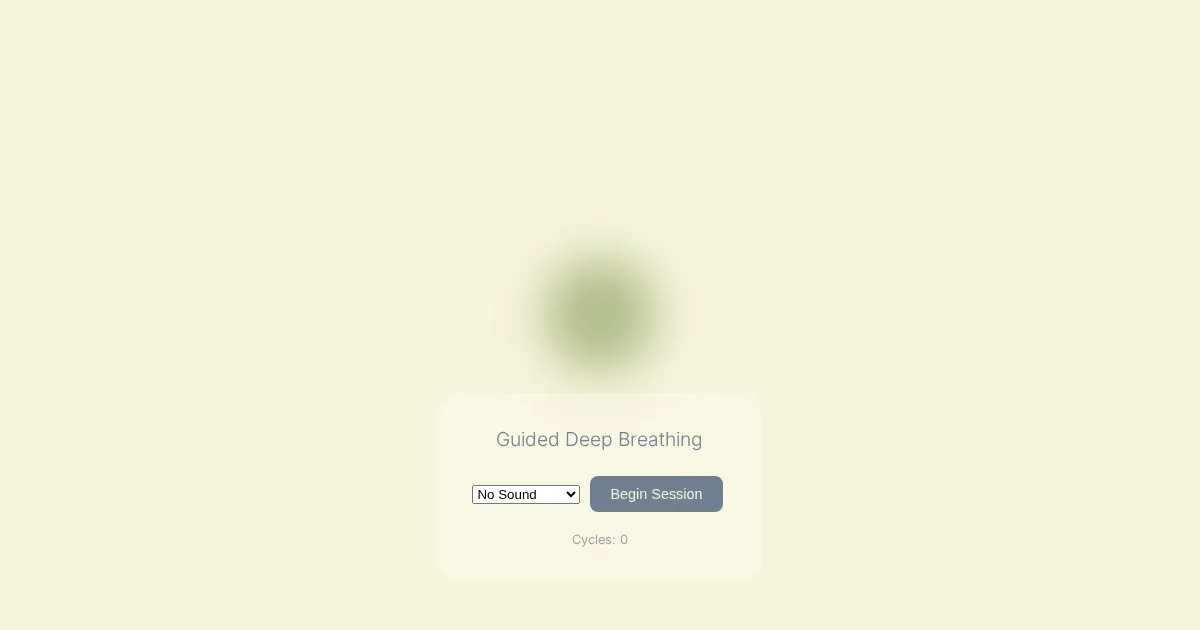
Guided Deep Breathing Exercise Timer with Ambient Sounds
Practice mindfulness with this guided deep breathing exercise timer. Featuring a rhythmic pulsating visual guide and calming ambient background sounds.
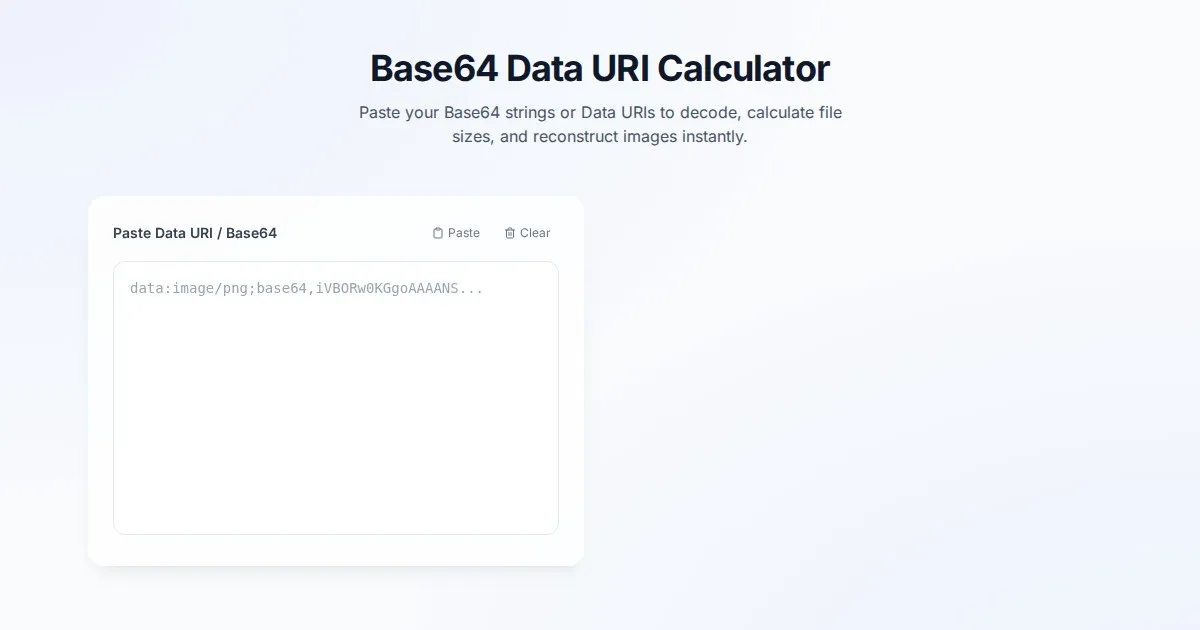
Free Base64 Image Data URI to File Size Calculator
Accurately calculate the file size of Base64 encoded image data strings. This free, web-based tool helps developers estimate binary file sizes for web apps.
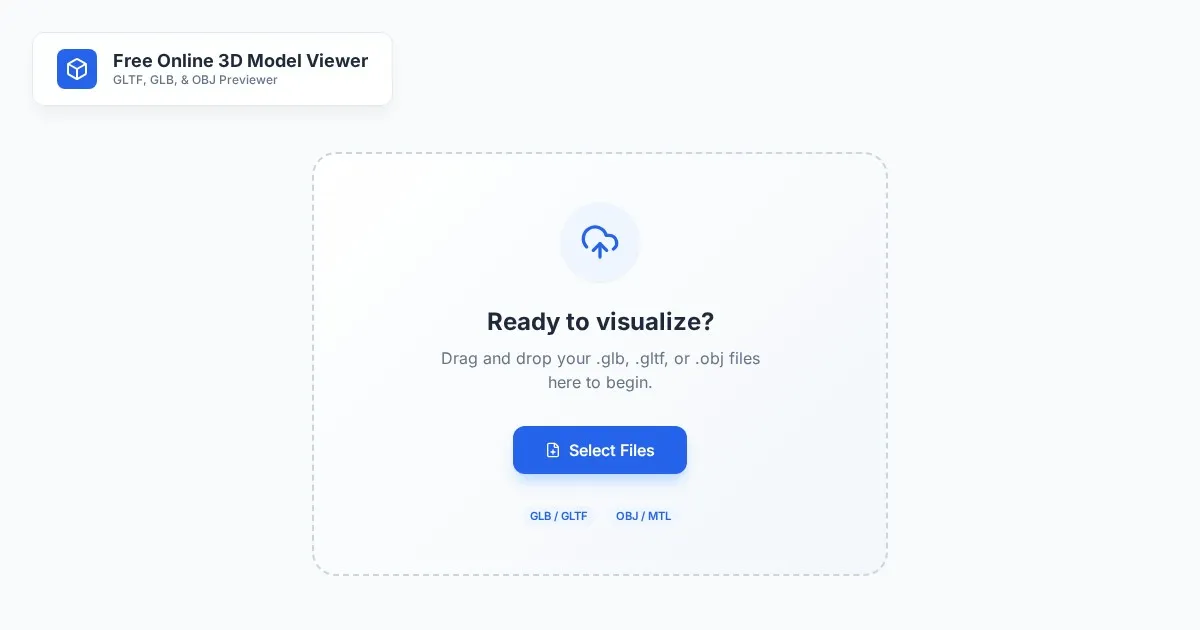
Free Online 3D Model Viewer - GLTF & OBJ File Previewer
Instantly preview 3D models online with this free 3D Model Viewer. Support for GLTF, GLB, and OBJ formats. Drag and drop your files for a fast, browser-based render.

Free Online Color Blindness Simulator & Image Filter Tool
Easily simulate color vision deficiencies like protanopia, deuteranopia, and tritanopia. Upload images to test design accessibility for color blindness.
Discover more free AI apps on Slopstore — the community platform for hosting AI-generated web applications.