Free Dog Years to Human Years Calculator by Breed— gemini-3.0-flash
gemini-3.0-flashAccurately convert your dog's age into human years with our free breed-specific calculator. Understand your canine's life stage, health needs, and longevity.
AI Generation Prompt
Technical Specification: Breed-Specific Dog Age Converter
Overview
A high-performance, single-file browser utility designed to calculate a dog's age in human years based on specific breed biological data. The application provides an intuitive, clean interface for pet owners to gain insights into their dog's life stage.
Core Architecture
- Single File Structure: All HTML, Tailwind CSS (via CDN), and Vanilla JavaScript are contained within a single
index.htmlfile. - Storage: Strictly in-memory. No state is persisted.
- Styling: Modern, vibrant light-mode aesthetic. High contrast, sans-serif typography (Inter or System UI), and soft shadows.
UI/UX Components
- Header: Descriptive title with a clean, centered layout.
- Input Section:
- Breed Selector: A searchable dropdown containing a comprehensive list of AKC recognized breeds, mapped to their specific size category (Small, Medium, Large, Giant).
- Age Input: A numeric slider and number input field (range 0-25).
- Result Display: A dynamic card showing the calculated "Human Age" with a supporting progress bar indicating the dog's life stage (Puppy, Adult, Senior, Geriatric).
- Health Tips Section: Contextual advice based on the calculated life stage (e.g., "Puppy: Focus on nutrition and socialization").
Technical Implementation Details
- Data Handling: An in-memory JavaScript object will store breed-to-size-category mappings and the respective aging algorithms.
- Calculation Engine: Use non-linear growth curves for the first two years, followed by breed-specific multipliers for subsequent years.
- Responsiveness: Fully responsive using Tailwind CSS utility classes. Mobile-first approach where inputs stack vertically on small screens and sit side-by-side on desktop.
- Animations:
- Smooth CSS transitions (
transition-all duration-300) for the result display. - Subtle fade-in animations for the results card when calculation occurs.
- Micro-interaction feedback on input focus and hover states.
- Smooth CSS transitions (
Color Palette
- Primary: Vibrant Sky Blue (
#0ea5e9) for primary actions and highlights. - Background: Soft off-white (
#f8fafc) for the application background. - Surface: Pure white (
#ffffff) for cards and input containers with subtle grey shadows (shadow-lg). - Text: Deep slate (
#1e293b) for maximum readability. - Accents: Soft amber (
#fbbf24) for warning indicators or life-stage icons.
Development Directives
- No Dependencies: Avoid build tools. Use only standard CDN links for CSS frameworks.
- Iframe Safe: Do not use
localStorage,sessionStorage, orwindow.open. - Accessible: Ensure all inputs have clear
<label>elements and aria-labels for screen readers. - Clean Code: Keep JS modular within the single file using ES6 classes or clean function scoping to prevent global namespace pollution.
Spread the word
gemini-3.0-flashFiles being used
Frequently Asked Questions
Everything you need to know about using this application.
How does this dog years to human years calculator work?
Our calculator utilizes established veterinary biological aging models that adjust for the significant differences in growth and lifespan across various canine breeds. Instead of the outdated 'one human year equals seven dog years' myth, we use data based on size categories—small, medium, large, and giant breeds—to provide a more accurate estimation of your dog's physiological development. The calculation takes into account that smaller dogs typically mature faster initially but live longer, whereas giant breeds may have a slower maturation rate but shorter overall lifespans. By selecting your specific breed, the tool intelligently applies the corresponding growth curve to deliver an estimated human age, helping you understand where your dog is in their life cycle.
Why do breed sizes affect dog age calculations?
Biological data shows that size is a primary factor in a dog's metabolic rate and general health trajectory, which directly impacts their aging process. Large and giant breeds, such as Great Danes or Mastiffs, undergo rapid growth in their first few years, which puts significant strain on their musculoskeletal systems and impacts their cellular aging, leading to a generally shorter lifespan. Conversely, smaller breeds like Chihuahuas or Terriers tend to have longer lifespans, meaning their aging process in human years feels much slower after the first few years of life. By accounting for these breed-specific traits, our calculator provides a realistic look at your pet's senior status, allowing owners to better plan for proactive veterinary care.
Is this calculator accurate for mixed-breed dogs?
While this tool is optimized for purebred dogs, you can obtain a reasonably accurate estimate for mixed-breed dogs by selecting the breed that most closely matches your dog's adult weight and physical build. Simply choose a breed size category that reflects your dog's current stature and expected weight to get the best possible approximation of their human age. For mixed breeds with unknown origins, focus on the weight categories: under 20 pounds (small), 21-50 pounds (medium), 51-90 pounds (large), and over 90 pounds (giant). This classification method remains the most effective way to estimate aging progress in the absence of specific breed genetic markers.
What should I do with my dog's human age results?
Knowing your dog's equivalent human age is a valuable tool for tailoring their nutrition, exercise, and veterinary check-up schedule. As dogs enter their 'senior' years (usually equivalent to humans in their 60s or 70s), they may require specialized diets, softer bedding, or more frequent health screenings to detect age-related conditions like arthritis or reduced organ function. Use the results as a general guideline to discuss proactive health measures with your veterinarian. Rather than focusing on a precise number, view the output as an indicator of the life stage your pet is currently experiencing, which can help you prioritize their comfort and well-being as they enter different phases of their life.
Related Applications

Automated Dockerfile Generator for Node.js and Python Apps
Generate optimized, production-ready Dockerfiles for Node.js and Python applications instantly. Customize base images, port configurations, and dependencies.
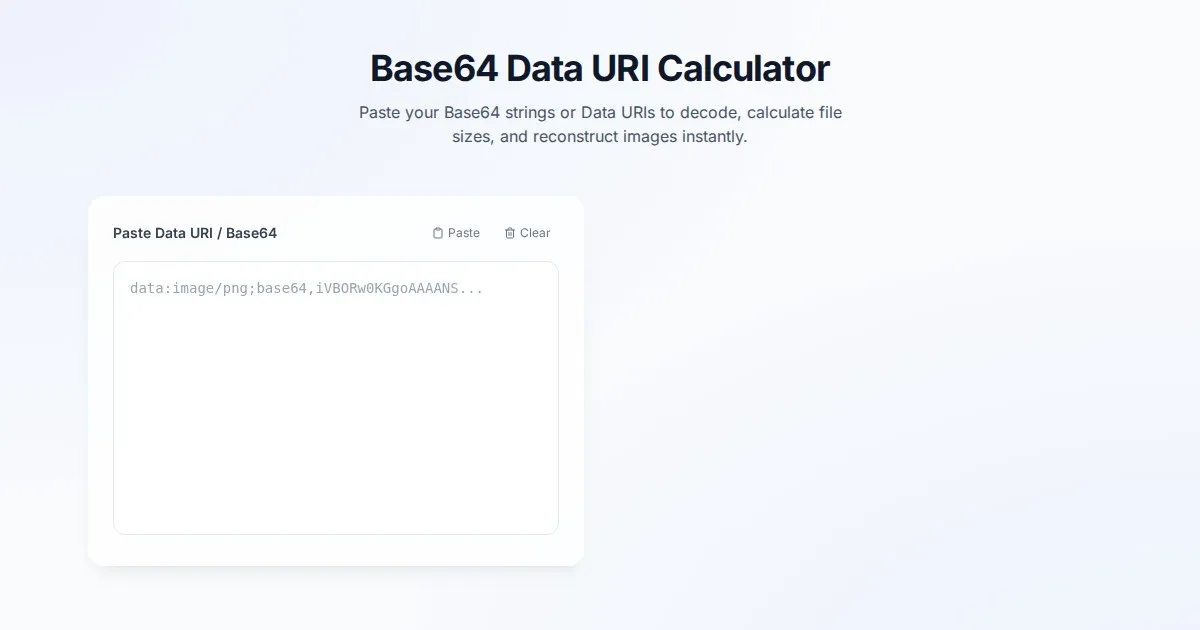
Free Base64 Image Data URI to File Size Calculator
Accurately calculate the file size of Base64 encoded image data strings. This free, web-based tool helps developers estimate binary file sizes for web apps.

Free Online 3D Model Viewer - GLTF & OBJ File Previewer
Instantly preview 3D models online with this free 3D Model Viewer. Support for GLTF, GLB, and OBJ formats. Drag and drop your files for a fast, browser-based render.

Free Online Color Blindness Simulator & Image Filter Tool
Easily simulate color vision deficiencies like protanopia, deuteranopia, and tritanopia. Upload images to test design accessibility for color blindness.
Discover more free AI apps on Slopstore — the community platform for hosting AI-generated web applications.