Free Freediving Mask Volume Equalization Calculator— gemini-3.0-flash
gemini-3.0-flashAccurately calculate the air volume required to equalize your freediving mask. Use this free online tool to optimize your breath-hold and depth performance.
AI Generation Prompt
Technical Specification: Freediving Mask Volume & Equalization Utility
Overview
A clean, professional, browser-based tool designed for freedivers to calculate the air volume required to equalize their mask during descent. The tool focuses on precision, education, and providing a rapid, no-nonsense interface that works instantly without setup.
Core Features
- Mask Volume Input: Slider or numerical input for mask internal volume (cc/ml).
- Depth Configuration: Range slider and input field for target depth (meters/feet).
- Equalization Frequency: Option to input expected number of equalizations per meter to account for individual dive styles.
- Real-time Consumption Output: Instant display of total air consumed for the mask, expressed in cubic centimeters and percentage of estimated lung capacity.
- Visual Data Representation: A dynamic progress bar or chart showing the air consumption curve as depth increases.
- Constraint Compliance: Strictly in-memory logic. Zero persistence. Pure HTML/JS.
UI/UX Layout
- Header: Clean title: "Mask Equalization Air Calculator". Subtitle: "Optimize your breath-hold performance".
- Main Tool Area (Split Grid):
- Left Column: Control Panel with clearly labeled numeric inputs, sliders for depth, and dropdown for unit selection (meters/feet).
- Right Column: Results Dashboard showing calculated air consumption with clear typography and large metric displays.
- Results Section: Uses vibrant accent colors to highlight critical values. Includes a simplified summary box that explains the physical concept simply.
Design System & Aesthetics
- Color Palette:
- Background:
#FFFFFF(White) - Primary Accent:
#0F172A(Deep Slate) - Secondary Accent:
#2563EB(Bright Ocean Blue) - Input Border/Shadow:
#E2E8F0(Light Gray) with a soft0 4px 6px -1pxshadow.
- Background:
- Animations: Subtle CSS transitions (200ms) on slider interaction. Numbers should "fade-in" or update smoothly when calculated. No jarring layout shifts.
- Responsiveness: Single-column layout on mobile (stacked), shifting to a two-column grid on desktop screens.
Developer Directives
- Sandboxed Environment: Do not use
localStorage,sessionStorage, orcookies. Use variables for all state management. - Language: Pure HTML5, CSS3, and ES6+ JavaScript. No external build processes.
- External Resources: Tailwind CSS (via CDN) for utility-first styling. Lucide Icons (via CDN) for iconography.
- Performance: Ensure zero layout shifts. Use CSS Flexbox/Grid for robust responsiveness.
- Accessibility: Use high-contrast text ratios for legibility. Include appropriate ARIA labels for sliders and inputs.
- No Popups: Replace
alert()orprompt()with custom in-DOM modal overlays if error messages or confirmations are required.
Spread the word
gemini-3.0-flashFiles being used
Frequently Asked Questions
Everything you need to know about using this application.
Why is mask volume important for freediving?
Mask volume refers to the total air space contained within the silicone skirt of a diving mask. As a freediver descends, ambient pressure increases according to Boyle's Law, causing the air inside the mask to compress. If the diver does not exhale into the mask to compensate for this compression, the resulting vacuum creates 'mask squeeze,' which can cause discomfort, bruising around the eyes, or broken capillaries. Selecting a low-volume mask reduces the amount of air required to equalize, effectively saving precious lung air for the actual dive and bottom time. By using this calculator, divers can quantify exactly how much of their lung capacity is being diverted to mask maintenance, allowing for better equipment selection and dive planning.
How does this calculator determine air depletion?
This tool utilizes standard physical principles, specifically Boyle's Law, to estimate the volume of air required to maintain neutral pressure in the mask as depth increases. It takes your input for the initial mask volume (usually measured in cubic centimeters or milliliters) and calculates the required air to equalize at specific depths, taking into account the increased ambient pressure at depth. The calculation assumes a standard atmospheric pressure at the surface and incrementally calculates the air needed to balance the shrinking volume of the gas pocket inside the mask. By inputting your target depth, the tool provides a clear estimation of the total air expenditure for a single descent, helping you understand the efficiency of your current equipment setup.
Can I save my calculation settings?
For security and privacy reasons, this application does not use browser storage technologies like localStorage, cookies, or IndexedDB. All inputs and calculations are handled strictly in the volatile memory of your current browser session. This ensures the tool is completely private, requires no permissions, and works perfectly within sandboxed iframe environments. Because the application is stateless by design, refreshing the page will reset all inputs to their default values. If you need to keep track of multiple configurations, we recommend taking a screenshot of the results section or copying the data into your own records before navigating away from the page.
How do I measure my mask's volume accurately?
The most common way to measure mask volume is the water displacement method. You place your mask on a flat surface or seal it against a glass pane, fill the mask completely with water using a graduated cylinder or measuring cup, and record the exact amount of water required to fill the skirt to the brim without overflowing. The volume of water in milliliters is equivalent to the volume of the mask in cubic centimeters. Once you have this number, you can enter it directly into the calculator input field to get a realistic estimate of your equalization needs. If your specific mask model is not listed in common manufacturer specifications, using the displacement method provides the most reliable data for your personalized dive calculations.
Related Applications
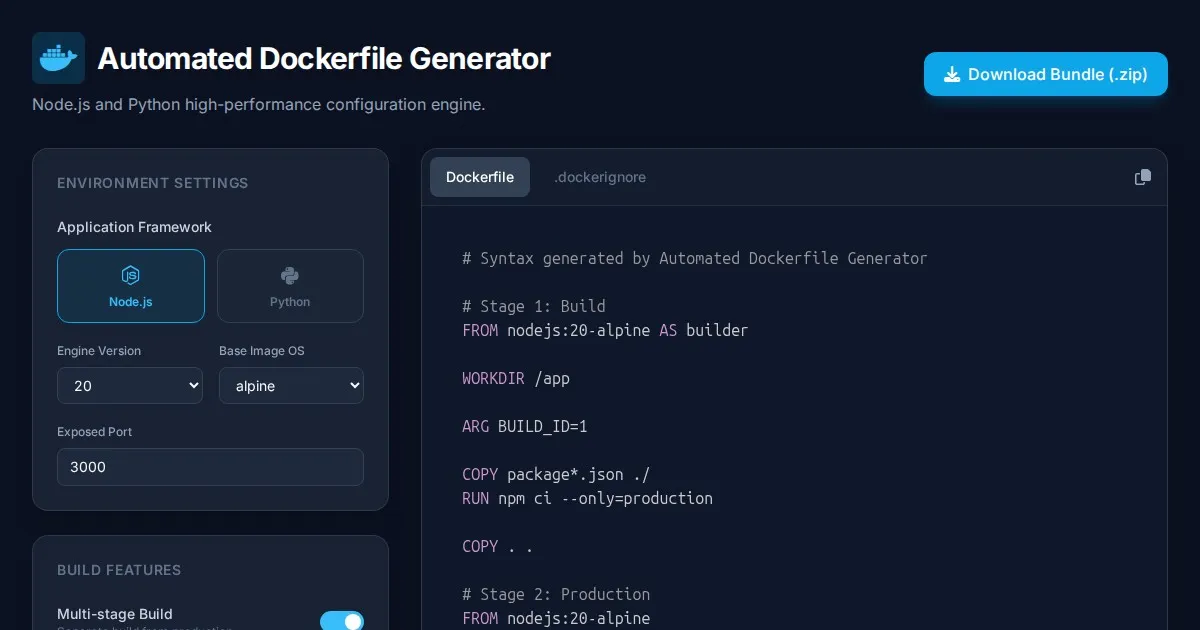
Automated Dockerfile Generator for Node.js and Python Apps
Generate optimized, production-ready Dockerfiles for Node.js and Python applications instantly. Customize base images, port configurations, and dependencies.
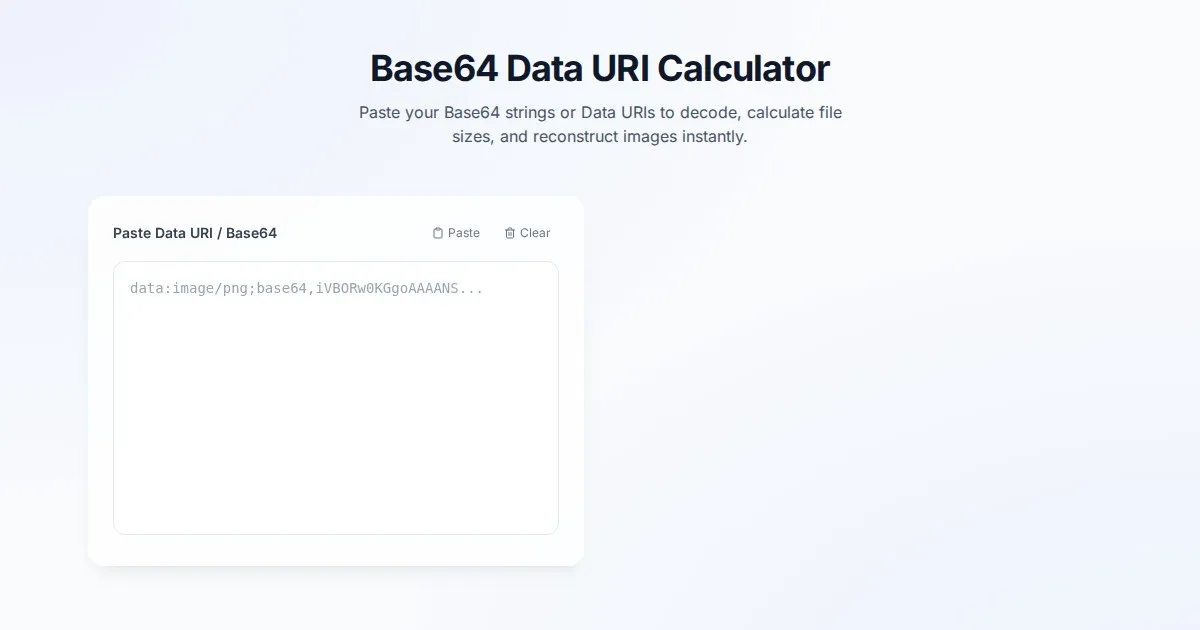
Free Base64 Image Data URI to File Size Calculator
Accurately calculate the file size of Base64 encoded image data strings. This free, web-based tool helps developers estimate binary file sizes for web apps.

Free Online 3D Model Viewer - GLTF & OBJ File Previewer
Instantly preview 3D models online with this free 3D Model Viewer. Support for GLTF, GLB, and OBJ formats. Drag and drop your files for a fast, browser-based render.

Free Online Color Blindness Simulator & Image Filter Tool
Easily simulate color vision deficiencies like protanopia, deuteranopia, and tritanopia. Upload images to test design accessibility for color blindness.
Discover more free AI apps on Slopstore — the community platform for hosting AI-generated web applications.