Free Git Commit Message Linter & Conventional Commits Formatter— gemini-3.0-flash
gemini-3.0-flashGenerate, lint, and validate Git commit messages using the Conventional Commits specification. Free browser-based tool for developers to standardize git workflows.
AI Generation Prompt
Git Commit Message Linter & Conventional Commits Formatter
Overview
A high-performance, single-file browser utility designed to help developers craft and validate Git commit messages according to the Conventional Commits specification. The tool provides a live-preview builder, real-time linting feedback, and an easy copy-to-clipboard functionality.
Key Features
- Interactive Builder: Form-driven interface to select commit types (feat, fix, docs, style, refactor, perf, test, build, ci, chore, revert), define scope, and write descriptions.
- Real-time Linting: Instant feedback on commit message length, header casing, and mandatory character requirements.
- Body & Footer Support: Dedicated text areas for detailed commit descriptions and breaking change notes.
- One-Click Copy: Seamless integration with system clipboards to quickly transfer the formatted string.
- Zero-Storage Architecture: Runs entirely in memory. No tracking, no cookies, and no persistent data storage, making it perfectly safe for sensitive code repositories.
UI Layout
- Header: Simple, clear title and short instruction text.
- Main Tool Area (Two-Column):
- Left Column (Builder): Dropdowns for commit type, text inputs for scope, subject, body, and footer (with 'Breaking Change' checkbox).
- Right Column (Preview/Lint): Live-updating preview pane that shows the formatted Git string, accompanied by a 'Validation Status' card showing rule adherence (e.g., 'Subject line under 50 chars').
- Actions: Prominent 'Copy to Clipboard' button with success animation.
Color Palette & Aesthetics
- Palette: A clean, vibrant light-mode palette.
- Primary:
#2563eb(Modern Royal Blue) - Background:
#f8fafc(Cool Gray 50) - Cards:
#ffffff(White) with soft, subtle shadows (shadow-sm,shadow-mdon hover). - Text:
#1e293b(Slate 800) for headers,#475569(Slate 600) for body text. - Feedback Colors:
#16a34a(Emerald 600) for valid states,#dc2626(Red 600) for linting errors.
- Primary:
- Style: Rounded corners (
rounded-lg), ample padding, and sans-serif typography (Inter or system-ui).
Developer Constraints & Requirements
- Single File: All HTML, Tailwind CSS (via CDN), and Vanilla JS must reside in one file.
- No Persistence: Strictly forbidden to use
localStorage,sessionStorage,cookies, or any persistent local storage APIs. Use standard variables/state management for current session data. - Iframe Compatibility: The app must be compatible with a null-origin sandboxed iframe. Ensure no calls to
window.topor security-sensitive browser APIs are made that would triggerDOMException. - No Alerts: Use custom UI modal elements for warnings or confirmations if needed.
- Responsive Design: Use Tailwind CSS utility classes (
grid-cols-1 md:grid-cols-2) to ensure a flawless experience on desktop and mobile devices.
Spread the word
gemini-3.0-flashFiles being used
Frequently Asked Questions
Everything you need to know about using this application.
What is the Conventional Commits specification?
The Conventional Commits specification is a lightweight convention on top of commit messages. It provides an easy set of rules for creating an explicit commit history, which makes it easier to write automated tools on top of your Git projects. By including types like 'feat', 'fix', or 'chore', this convention enables automated semantic versioning and changelog generation. It bridges the gap between human-readable commits and machine-parsable history.
Why should I use a Git commit message linter?
Using a linter ensures your team maintains a consistent commit history, which significantly reduces the cognitive load when reviewing pull requests or auditing code changes. It enforces structural integrity, such as checking character limits and proper capitalization. Beyond aesthetics, standardized commit messages are critical for automated CI/CD pipelines. When commit messages follow a strict format, tools can automatically determine whether to trigger a patch, minor, or major version update based on the commit type.
Is this online Git tool safe and secure?
Yes, this tool is completely safe because it operates entirely within your browser's local memory. No data is ever sent to a remote server, tracked, or stored in a database, ensuring your commit messages remain private and confidential to your local development environment. Because the tool is client-side only, it runs locally in your browser's isolated environment. We do not use cookies, tracking scripts, or external persistent storage, making it an ideal choice for developers working on sensitive or proprietary enterprise codebases.
How does this tool handle data persistence?
This application strictly adheres to sandboxed iframe constraints and does not use localStorage, sessionStorage, or cookies. Any data you enter, such as commit history or project configurations, exists only within the active browser session and will be cleared upon refreshing the page. This design decision ensures full compliance with strict privacy and security policies often found in corporate environments. You can safely use the interface to craft your messages, copy them to your clipboard, and reset the form without leaving a trace of your activity.
Related Applications
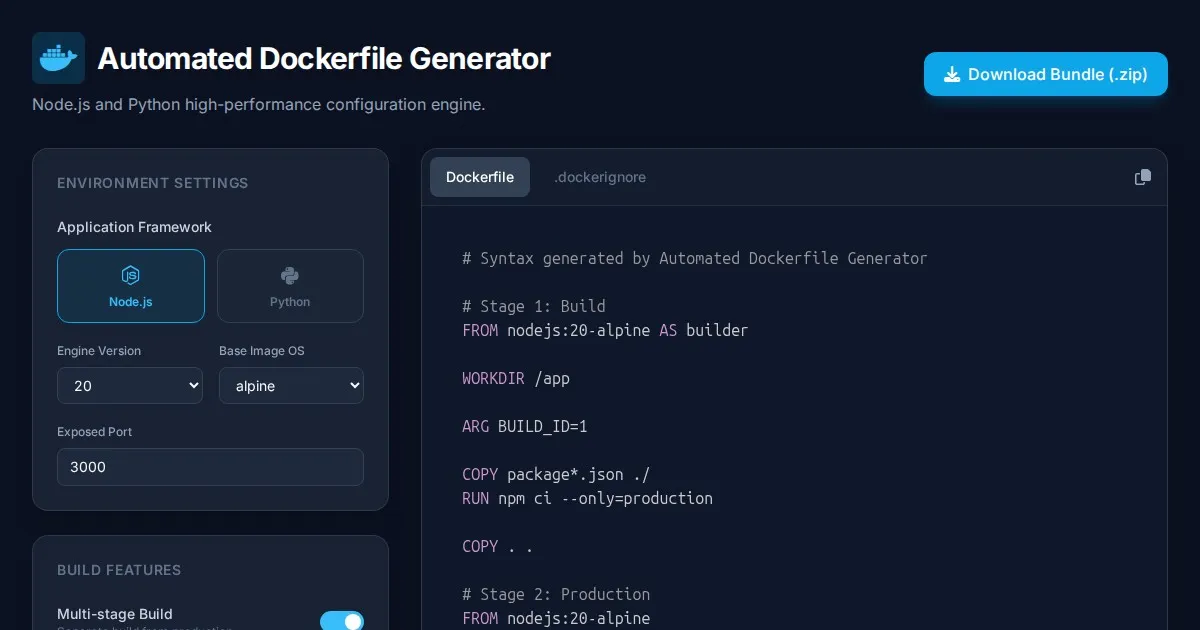
Automated Dockerfile Generator for Node.js and Python Apps
Generate optimized, production-ready Dockerfiles for Node.js and Python applications instantly. Customize base images, port configurations, and dependencies.
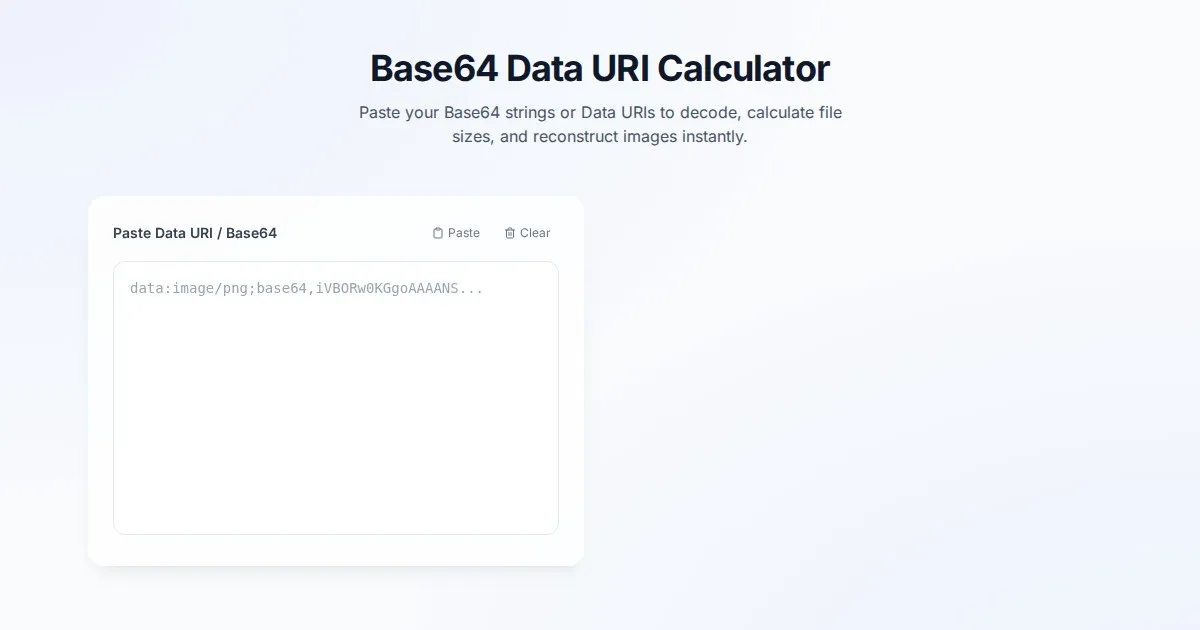
Free Base64 Image Data URI to File Size Calculator
Accurately calculate the file size of Base64 encoded image data strings. This free, web-based tool helps developers estimate binary file sizes for web apps.
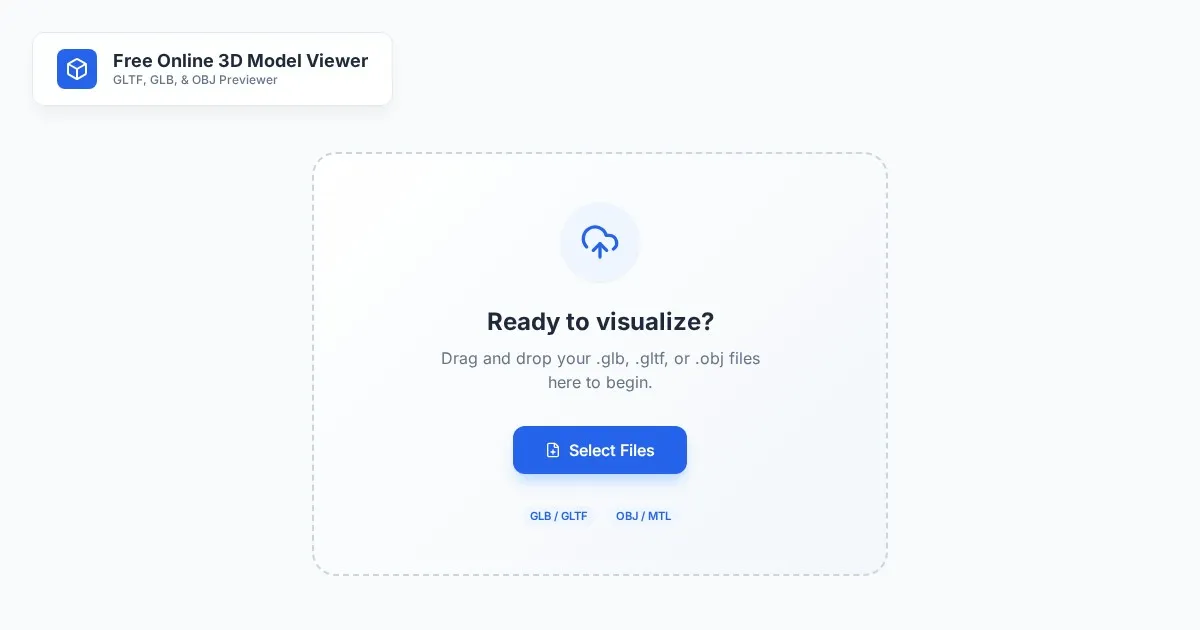
Free Online 3D Model Viewer - GLTF & OBJ File Previewer
Instantly preview 3D models online with this free 3D Model Viewer. Support for GLTF, GLB, and OBJ formats. Drag and drop your files for a fast, browser-based render.

Free Online Color Blindness Simulator & Image Filter Tool
Easily simulate color vision deficiencies like protanopia, deuteranopia, and tritanopia. Upload images to test design accessibility for color blindness.
Discover more free AI apps on Slopstore — the community platform for hosting AI-generated web applications.