Free Guitar Neck Relief & Truss Rod Bow Calculator— gemini-3.0-flash
gemini-3.0-flashCalculate optimal guitar neck relief and assess truss rod bow. Free online tool for DIY guitar setup and maintenance. Get precise, professional-grade measurements.
AI Generation Prompt
Guitar Neck Relief & Truss Rod Bow Assessment Tool
Overview
A clean, browser-based utility designed for guitarists and amateur luthiers to calculate and interpret neck relief measurements. This tool provides instant feedback on whether a measured relief value is within the standard "sweet spot" for a guitar, offering guidance on whether to loosen or tighten the truss rod.
Key Features
- Precision Input: Accepts measurements in either millimeters (mm) or inches (in) with support for standard feeler gauge increments.
- Status Indicator: A clear visual gauge that highlights the status of the neck (Back-bowed, Optimal, or Excess Relief).
- Educational Context: Provides brief, actionable advice based on the calculated status (e.g., "Slightly tighten the truss rod" or "Neck appears to be within standard playability range").
- Responsive Design: Mobile-first layout that works perfectly while holding the guitar and measuring.
- Pure State Logic: Zero external dependencies for logic; all calculations are performed in-memory via Vanilla JS.
UI/UX Specification
- Header: Clean title area with a brief helper text explaining the tool's purpose.
- Input Zone: A grouped section featuring unit toggles, a numerical input field for the relief measurement, and a dropdown for string tension profile (standard, high, low).
- Visual Gauge: A CSS-animated horizontal bar that moves a marker to represent the current state of the relief relative to standard tolerances.
- Feedback Panel: A prominent results card that updates in real-time as the user types, using smooth CSS fade transitions.
Design & Aesthetics
- Color Palette: A professional light-mode aesthetic using soft Slate grays, bright Sky Blue for primary actions, and Semantic colors (Emerald for "Optimal", Amber for "Attention Required", Rose for "Out of Bounds").
- Typography: Clean, sans-serif stack (e.g., system fonts like Inter or Roboto) for readability.
- Shadows/Transitions: Subtle box-shadows for cards to provide depth; all UI transitions (like button presses or input toggles) use ease-in-out timing functions.
Technical Implementation Directives
- Single File: Everything in one
.htmlfile. CSS in<style>blocks, JS in<script>blocks. - Sandboxed Compatibility: Absolutely no usage of
localStorage,sessionStorage, cookies, or persistent browser storage. All logic must reside within the volatile scope of the page execution. - Performance: Ensure no render-blocking calls. All interaction must be smooth and instant (client-side only).
- No Popups: Use modal
<div>elements if confirmations are required (though not needed for this tool) rather thanalert()orconfirm(). - Responsive: Use CSS Flexbox/Grid to ensure the tool is usable on phones, tablets, and desktops without layout shifting.
Spread the word
gemini-3.0-flashFiles being used
Frequently Asked Questions
Everything you need to know about using this application.
What is guitar neck relief?
Guitar neck relief is the slight concave bow intentionally introduced to a guitar neck to allow strings to vibrate without buzzing. This occurs because strings exert constant tension, and the truss rod counteracts this force to achieve the ideal curvature for playability. Achieving the correct relief balance is crucial for a comfortable action height. Too little relief causes fret buzz near the nut, while too much relief makes the guitar harder to play and intonation difficult to manage across the fretboard.
How do I measure my guitar's relief?
To measure neck relief, fret the low E string at the first fret and the fret where the neck meets the body simultaneously. Use a feeler gauge to measure the gap between the string and the top of the 7th or 8th fret wire. Our calculator helps interpret these measurements based on your instrument's scale length and preferred string gauge. By comparing your reading against standard industry targets, you can determine if your truss rod needs loosening or tightening.
Is a back-bowed neck dangerous for a guitar?
A back-bowed neck, where the fingerboard curves convexly, can lead to severe fret buzz and dead notes, particularly in the lower register. This condition indicates the truss rod is too tight, creating excessive back tension that pulls the wood against the natural string pull. It is important to address a back-bow immediately to maintain the playability and structural integrity of the instrument. Adjusting the truss rod in small increments is the standard procedure to bring the neck back to a flat or slightly concave position.
How often should I adjust my truss rod?
Truss rod adjustments are typically necessary when changing string gauges or when environmental changes like humidity cause the wood to expand or contract. If your guitar feels different under your fingers or you notice a sudden increase in fret buzz, it may be time to inspect the relief. While adjustments are part of routine maintenance, they should be performed sparingly. Always loosen the strings slightly before making large turns, and allow the neck a few hours to settle into its new position after any significant adjustment.
Related Applications
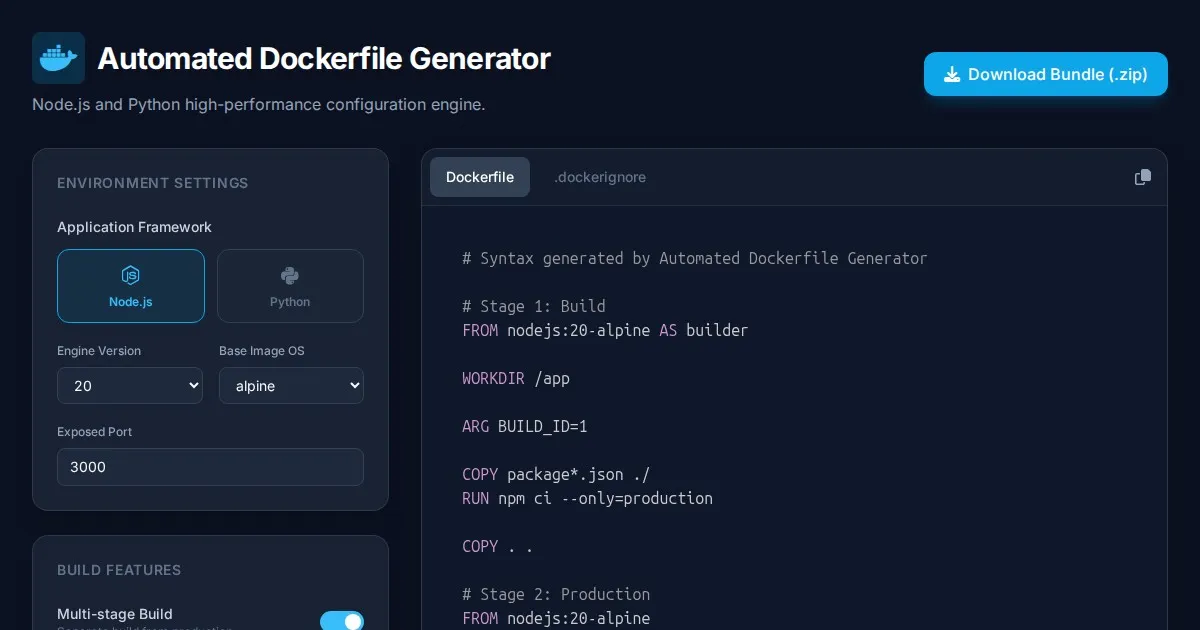
Automated Dockerfile Generator for Node.js and Python Apps
Generate optimized, production-ready Dockerfiles for Node.js and Python applications instantly. Customize base images, port configurations, and dependencies.
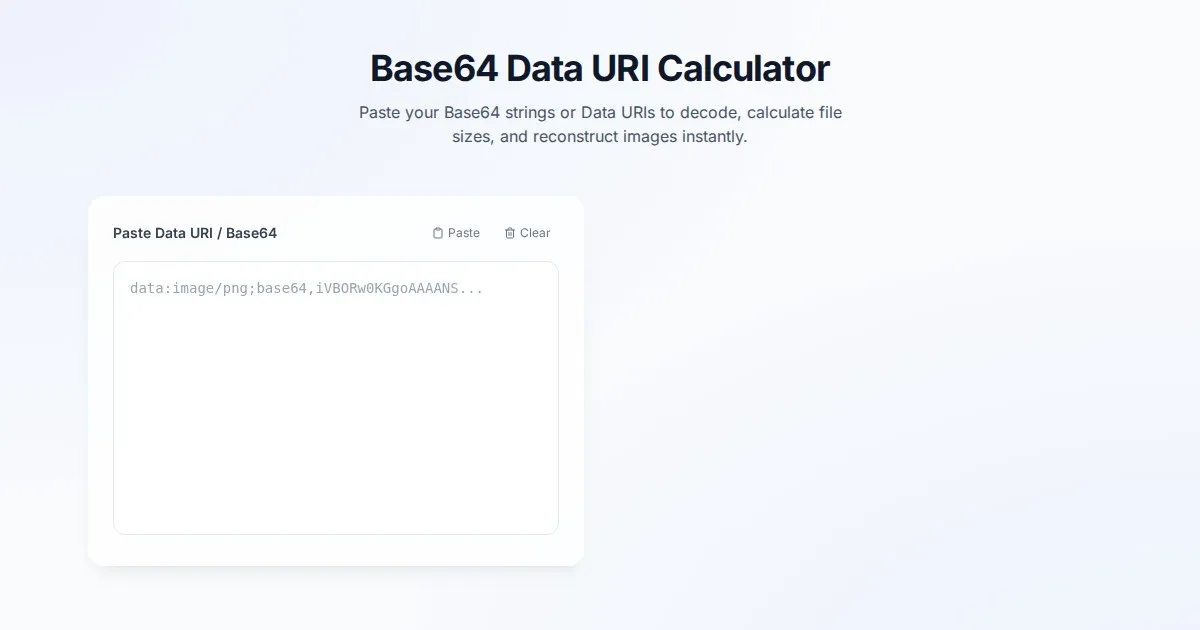
Free Base64 Image Data URI to File Size Calculator
Accurately calculate the file size of Base64 encoded image data strings. This free, web-based tool helps developers estimate binary file sizes for web apps.

Free Online Color Blindness Simulator & Image Filter Tool
Easily simulate color vision deficiencies like protanopia, deuteranopia, and tritanopia. Upload images to test design accessibility for color blindness.
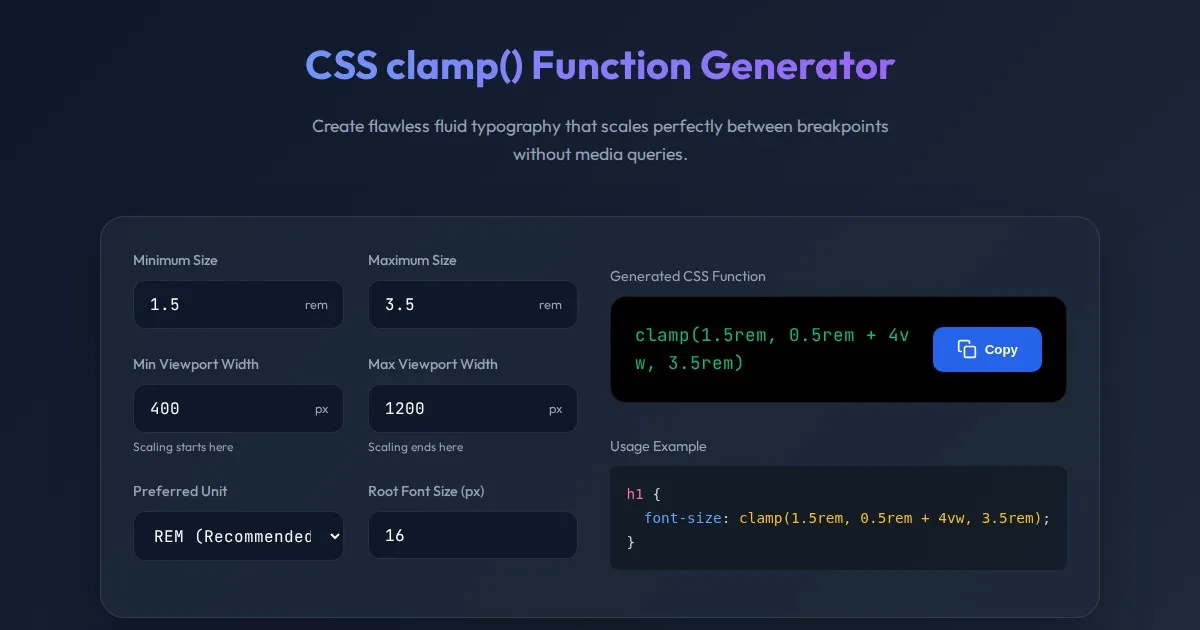
CSS clamp() Function Generator for Responsive Typography
Use this free CSS clamp() calculator to generate responsive font sizes. Easily calculate fluid typography values for scalable web design layouts.
Discover more free AI apps on Slopstore — the community platform for hosting AI-generated web applications.