Free Guitar Pickup Coil Winding Calculator | Turns & Resistance— gemini-3.0-flash
gemini-3.0-flashAccurately estimate guitar pickup coil turns and DC resistance based on wire gauge and bobbin dimensions. A free, web-based tool for DIY pickup builders.
AI Generation Prompt
Guitar Pickup Winding Technical Specification
Overview
A precision, browser-based utility designed for guitar builders and lutheries to calculate the relationship between magnet wire gauge, coil dimensions, turn counts, and final DC resistance.
Core Features
- Dynamic Calculation Engine: Real-time calculation of resistance (kΩ) based on turns, gauge, and bobbin volume.
- Preset Wire Gauges: Dropdown menu supporting standard magnet wire (42, 43, 44 AWG).
- Geometry Input: Precise fields for Bobbin Inner Width, Outer Width, and Height.
- Reverse Calculation: Users can input a Target Resistance (e.g., 7.5kΩ) to see the required turn count.
- Visual Data Dashboard: A clean summary card displaying total wire length, weight (estimated), and turn count required.
- Metric/Imperial Toggle: Seamless switching between inches and millimeters.
UI/UX Design
- Layout:
- Header: Clean, centered title with a brief subtitle explaining the tool.
- Input Section: A two-column grid (desktop) or single-column (mobile) container using cards for 'Bobbin Dimensions' and 'Wire Specifications'.
- Results Dashboard: A sticky or prominent panel that updates instantly as inputs change, featuring large, legible typography for 'Estimated Resistance' and 'Required Turns'.
- Interaction: Input sliders with linked number inputs for granular control.
- Aesthetic:
- Theme: Strict light mode. High-contrast Slate/Gray-900 text on off-white (#FAFAFA) background.
- Visuals: Soft, non-intrusive drop shadows (box-shadow: 0 4px 6px -1px rgba(0, 0, 0, 0.1)).
- Typography: Inter or System-Sans fonts, clean and professional.
- Transitions: All UI updates should have a 200ms ease-in-out transition.
Technical Implementation Constraints
- Architecture: Single HTML file containing all logic, styles, and markup. No external JS frameworks (Vanilla JS only).
- State Management: Pure in-memory state. Do not use
localStorageorsessionStorageas this app will run in a sandboxed iframe. Calculations must happen on-the-fly. - Dependencies: Tailwind CSS via CDN is permitted for layout. No complex bundling required.
- Responsiveness: Use CSS Flexbox/Grid to ensure the input cards stack vertically on mobile devices and align horizontally on screens larger than 768px.
- Performance: Ensure mathematical calculations are throttled/debounced if necessary to prevent layout jittering.
- Formatting: Use native
Intl.NumberFormatfor currency/measurement formatting.
Developer Instructions
- Use a clean, modular structure within the single HTML file (CSS
<style>block, JS<script>block at end of body). - Implement a 'Calculate' function that triggers on every input
changeorinputevent to ensure real-time responsiveness. - Ensure the tool is purely client-side; no server requests, no API calls.
- Ensure all links have
rel="noopener noreferrer". - If errors occur (e.g., impossible dimensions), display a subtle, non-blocking UI alert component within the results card rather than a browser
alert().
Spread the word
gemini-3.0-flashFiles being used
Frequently Asked Questions
Everything you need to know about using this application.
Why should I use a calculator for pickup winding?
Using a calculation tool allows lutheries and hobbyists to predict the DC resistance of a pickup before the winding process begins. This helps in achieving consistent tone profiles across multiple builds by ensuring the total wire length and number of turns align with specific output characteristics. Furthermore, by inputting your target resistance and specific bobbin dimensions, you can avoid over-winding or under-winding your coil. This accuracy prevents wasted materials and ensures your custom-wound pickups sound exactly as intended, reducing the need for trial-and-error prototyping.
How does wire gauge (AWG) affect pickup resistance?
The American Wire Gauge (AWG) system dictates the diameter of the copper wire, which directly impacts the electrical resistance per foot. Thinner wires, such as 43 or 44 AWG, have higher resistance per foot compared to 42 AWG, meaning you reach higher resistance numbers with fewer total turns. Selecting the correct AWG is critical because it also changes the physical volume of the coil. This tool accounts for these variations to ensure that as you select different gauges, the estimated resistance reflects the physical properties of the copper wire, helping you balance resistance goals with available bobbin space.
Does this tool account for winding tension and variations?
This application provides theoretical estimates based on idealized mathematical models of coil geometry and standard copper wire resistance constants. While it provides a highly accurate baseline, actual results in the workshop can vary slightly due to factors like wire tension, winding pattern, and environmental temperature. For the best results, treat these calculations as a guide to get you within the target range. Always verify your final winding with a calibrated digital multimeter immediately after the coil is finished to confirm the exact DC resistance against your calculated estimates.
What is the best way to use this calculator for my build?
Begin by measuring your pickup bobbin carefully, noting the inner and outer dimensions. Input these measurements along with your chosen wire gauge into the tool, and adjust the 'Total Turns' slider or input field until you reach your target resistance value. This gives you a clear target to aim for while operating your winding machine. Once you have your target turn count, use a digital turn counter on your winder to match the number provided by the calculator. By using this systematic approach, you remove the guesswork from pickup construction and create a reliable workflow for building professional-grade guitar pickups consistently.
Related Applications
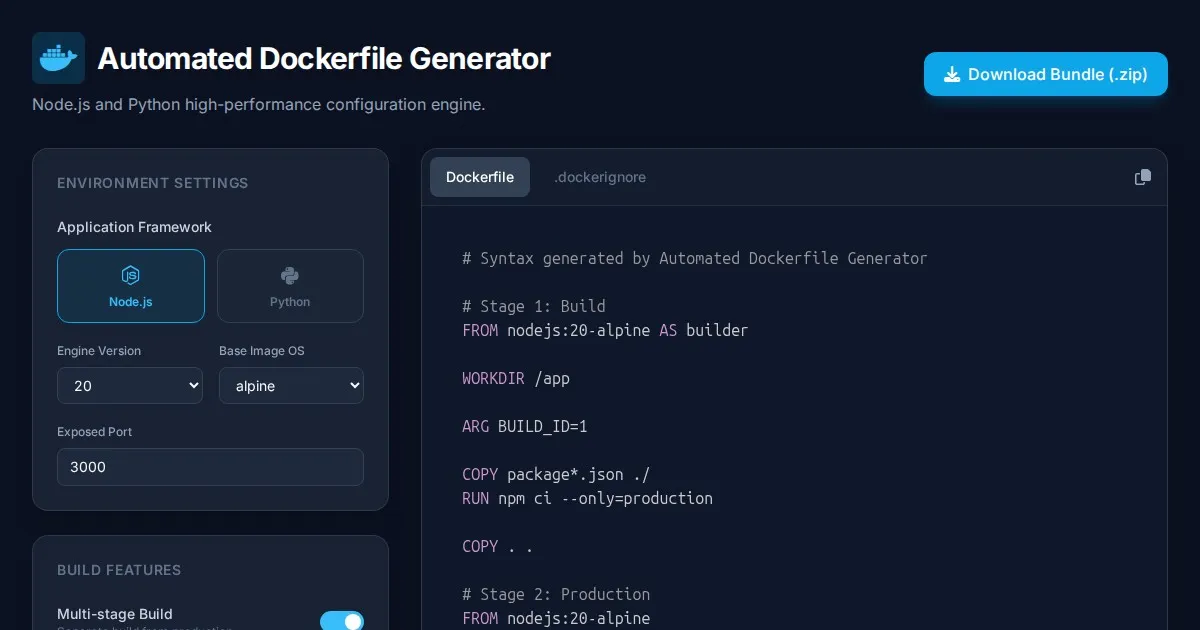
Automated Dockerfile Generator for Node.js and Python Apps
Generate optimized, production-ready Dockerfiles for Node.js and Python applications instantly. Customize base images, port configurations, and dependencies.
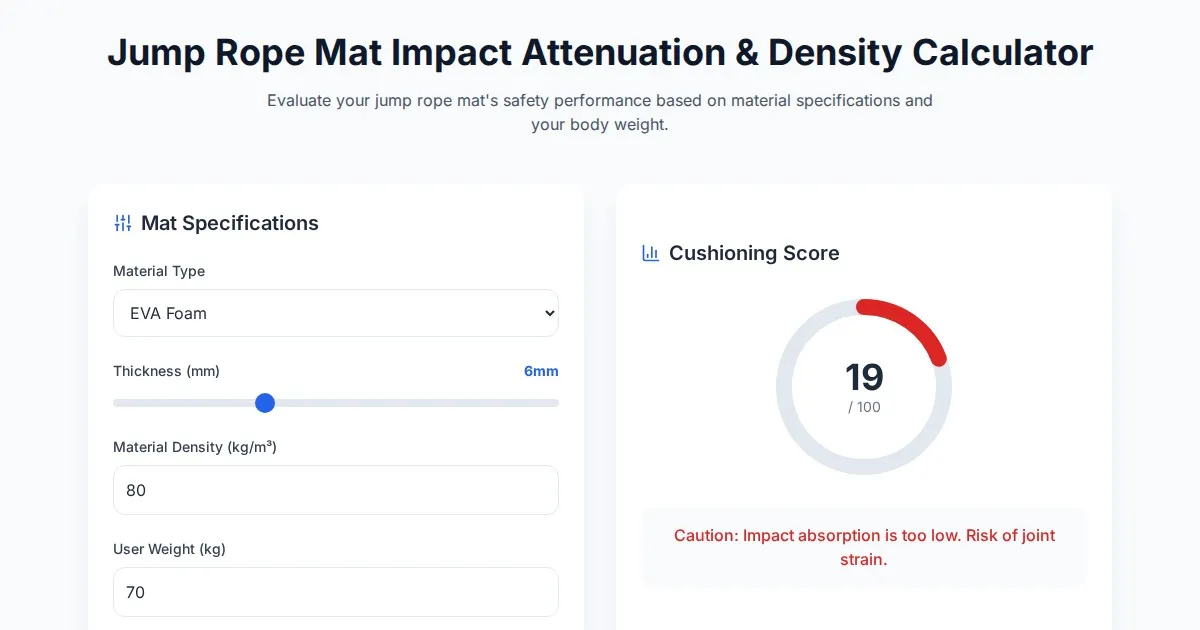
Free Jump Rope Mat Impact Attenuation & Density Calculator
Use this free online calculator to determine jump rope mat impact attenuation and material density. Safely assess if your workout flooring protects your joints.
Free Base64 Image Data URI to File Size Calculator
Accurately calculate the file size of Base64 encoded image data strings. This free, web-based tool helps developers estimate binary file sizes for web apps.

Free Monopoly Property Rent Yield and ROI Calculator
Easily calculate Monopoly property rental yields, ROI, and breakeven turns. Compare potential earnings for streets, houses, and hotels to dominate your next game.
Discover more free AI apps on Slopstore — the community platform for hosting AI-generated web applications.