Free Harmonica Position & Key Chart Generator— gemini-3.0-flash
gemini-3.0-flashEasily calculate harmonica keys and positions with our free online generator. Perfect for blues and folk musicians playing 1st, 2nd, and 3rd positions.
AI Generation Prompt
Harmonica Position & Key Generator Technical Specification
1. Overview
A browser-based, single-file utility tool designed to help musicians identify the correct harmonica key for a specific song key based on standard positions (1st through 12th). The app must be responsive, fast, and visually clean, utilizing a professional "SaaS" aesthetic.
2. Technical Constraints
- Single File: All HTML, CSS, and JS must reside in one
.htmlfile. No build processes allowed. - Storage: NO
localStorage,sessionStorage, orcookies. Application must remain stateless; data resets on refresh. - Dependencies: May use CDNs for Tailwind CSS and Lucide Icons only.
- Iframe Safe: No
alert(),confirm(), orprompt(). All interactions (modals, validation) must be native HTML/CSS overlays. - Performance: Instant calculation via native JavaScript.
3. UI/UX Layout
- Header: Clean, centered title with a brief subtitle describing the tool's purpose.
- Main Tool Area: A two-column grid (on desktop) or stacked (on mobile).
- Input Panel: Two clear dropdowns/selects: "Harmonica Key" (C, Db, D, Eb, E, F, F#, G, Ab, A, Bb, B) and "Position" (1st through 12th).
- Visual Indicator: A high-contrast display area showing the selected parameters.
- Results Section: A "Result Card" that displays the target key prominently (e.g., "Target Song Key: G"). Include a small "Theory Notes" section below to explain the relationship (e.g., "2nd Position - Cross Harp").
- Styling:
- Palette: White (#FFFFFF) background, Slate-900 (#0f172a) for text, Indigo-600 (#4f46e5) for primary action/accent.
- Typography: Inter (via Google Fonts).
- Shadows: Soft, professional drop-shadows on cards (e.g.,
shadow-lg,rounded-xl).
4. Feature List
- Key Transposition Engine: JavaScript logic using a lookup table to calculate the resulting key based on the selected harmonica key and position.
- Responsive Design: Mobile-first design. Dropdowns transform into full-width selectors on mobile.
- Print-Friendly: Include a media query
printCSS block to ensure the results card prints cleanly for musicians to use in their practice space. - Visual Feedback: Subtle hover effects on inputs and a smooth fade-in animation for result updates.
5. Development Directives
- CSS: Use Tailwind CSS classes for layout. Avoid custom CSS files.
- JavaScript: Use ES6+ standards. Use
DOMContentLoadedto initialize. Create a singleconstlookup table for key intervals (Circle of Fifths logic). - Accessibility: Ensure all inputs have associated
<label>elements oraria-labelattributes for screen readers. - Aesthetic: Strictly light-mode. No dark mode toggle. Use high-quality white space and generous padding to ensure a "premium" feel.
Spread the word
gemini-3.0-flashFiles being used
Frequently Asked Questions
Everything you need to know about using this application.
What are harmonica positions and why do they matter?
Harmonica positions refer to the relationship between the key of the harmonica and the key of the song being played. By starting on different holes or using different blowing and drawing patterns, a player can access different scales while using the same instrument. This is essential for blues, country, and folk music where specific scales are needed for different moods and genres. Mastering positions allows a musician to play in all twelve keys using only a limited set of harmonicas. For instance, playing in second position (cross harp) on a C harmonica allows the player to play in the key of G, which is the standard setup for most blues music, providing a more expressive and soulful sound compared to straight harp.
How do I use this harmonica key calculator?
To use this tool, simply select the key of your harmonica from the dropdown menu and choose the position you wish to play in, such as 1st, 2nd, or 3rd. The application will instantly calculate the resulting key of the music and display it clearly, helping you determine if you have the correct instrument for the song. The tool is designed for real-time interaction. As you adjust your selections, the results update immediately without requiring page reloads or calculations on your part. This allows you to quickly experiment with different combinations to find the perfect tonal match for your improvisation or backing tracks.
What is the difference between 1st, 2nd, and 3rd position?
First position, often called straight harp, is when you play in the same key as the harmonica itself. It is commonly used for folk melodies and simple tunes, focusing on the major scale and providing a bright, clean, and optimistic sound that works well for country and pop songs. Second position, known as cross harp, starts a fourth above the harmonica key. It is the most popular position for blues because it allows for easy access to the draw notes, which can be bent to create the characteristic blue notes. Third position starts a whole step above the harmonica key, offering a minor-sounding scale that is excellent for playing in minor keys.
Can I save my harmonica position charts for later?
This application operates entirely in your browser's memory and does not utilize persistent storage like cookies or local storage. This design choice ensures your privacy and security, as no data is ever written to your device or sent to an external server. Because the application does not save data, you can simply bookmark the page or keep the tab open during your practice session. If you need a permanent copy of your settings or charts, we recommend taking a screenshot of the results section or printing the page directly from your browser to keep a physical reference nearby.
Related Applications
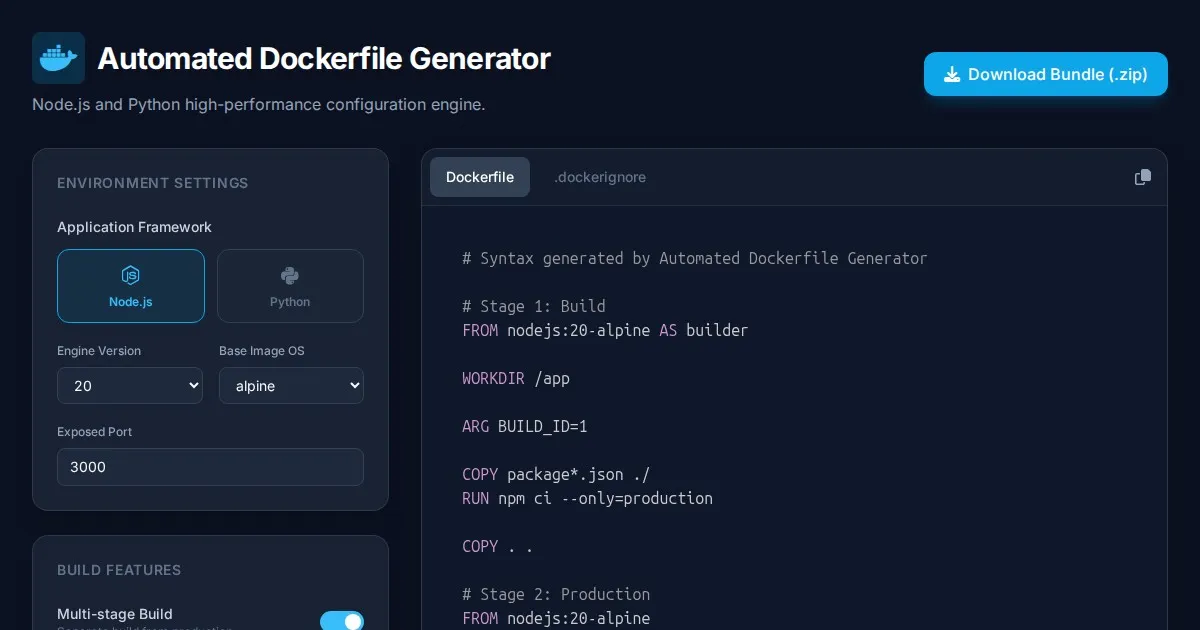
Automated Dockerfile Generator for Node.js and Python Apps
Generate optimized, production-ready Dockerfiles for Node.js and Python applications instantly. Customize base images, port configurations, and dependencies.
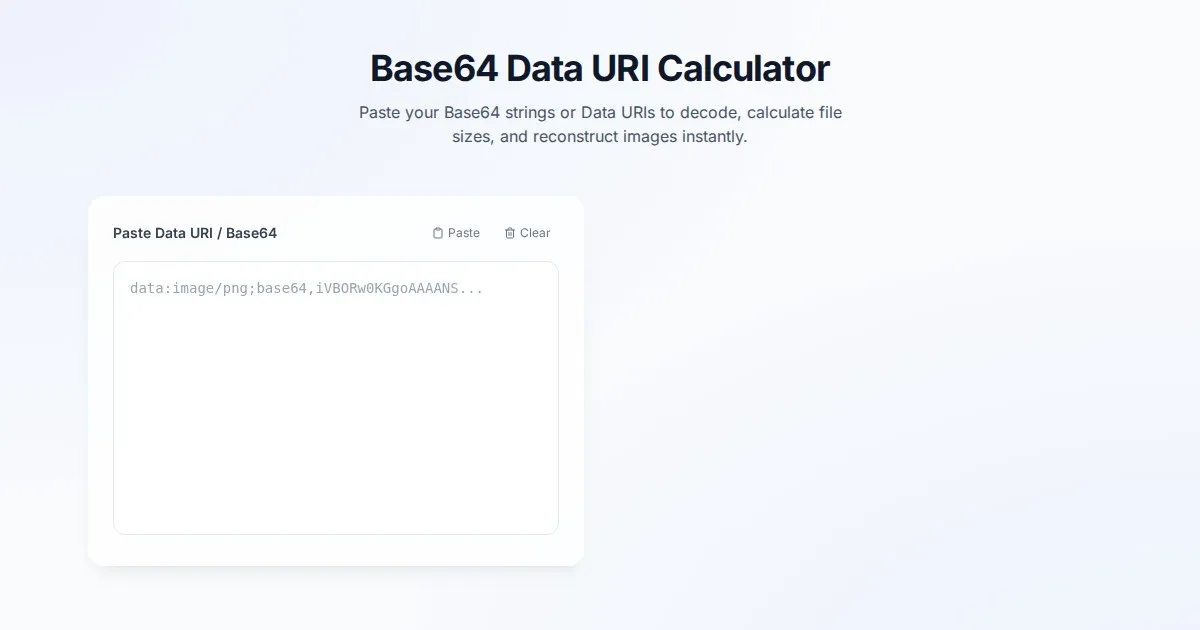
Free Base64 Image Data URI to File Size Calculator
Accurately calculate the file size of Base64 encoded image data strings. This free, web-based tool helps developers estimate binary file sizes for web apps.
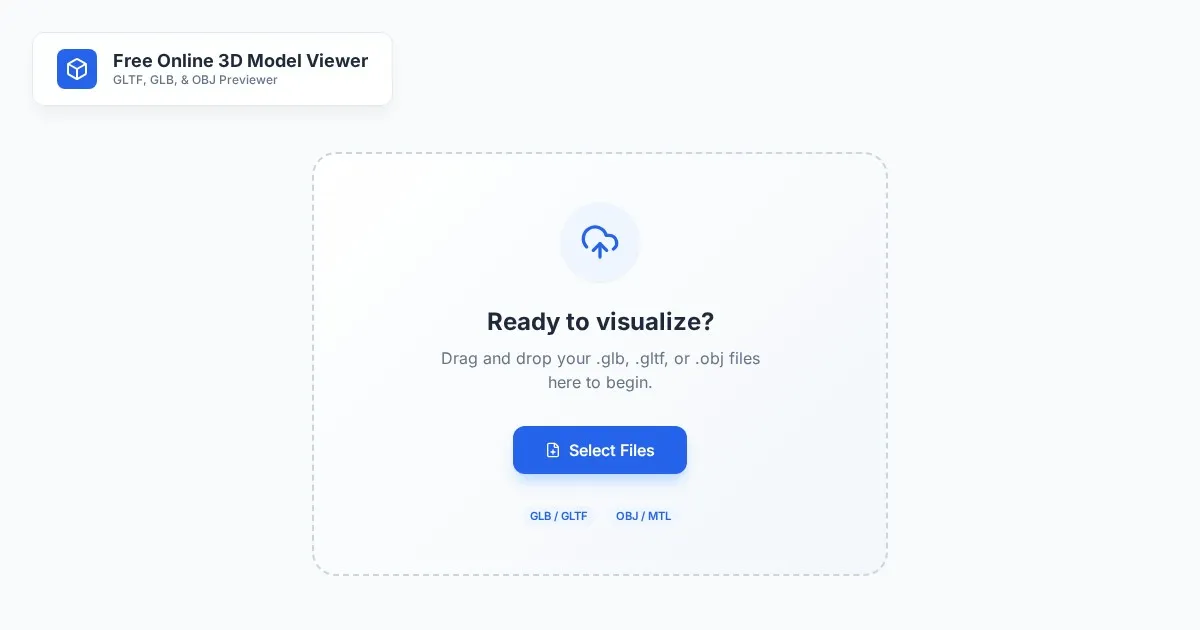
Free Online 3D Model Viewer - GLTF & OBJ File Previewer
Instantly preview 3D models online with this free 3D Model Viewer. Support for GLTF, GLB, and OBJ formats. Drag and drop your files for a fast, browser-based render.
Free Online Color Blindness Simulator & Image Filter Tool
Easily simulate color vision deficiencies like protanopia, deuteranopia, and tritanopia. Upload images to test design accessibility for color blindness.
Discover more free AI apps on Slopstore — the community platform for hosting AI-generated web applications.