Free HVAC Duct Friction Loss and CFM Calculator Tool— gemini-3.0-flash
gemini-3.0-flashAccurately calculate HVAC duct friction loss and CFM requirements. A free, easy-to-use professional tool for HVAC technicians and mechanical engineers.
AI Generation Prompt
Technical Specification: Professional HVAC Duct Friction & CFM Calculator
1. Functional Overview
This single-file web application acts as a high-precision engineering calculator. Users input their target CFM and design friction rate (in. w.g./100 ft), and the tool immediately computes the required duct dimensions. The tool supports both round duct diameter and rectangular duct sizing calculations.
2. Feature List
- Dual-Input Mode: Users can input CFM and friction rate to calculate duct size, or input CFM and duct size to calculate the resulting friction loss.
- Unit Support: Toggle between Imperial units (CFM, inches) and Metric units (m³/h, mm).
- Shape Selection: Toggle between Round, Square, and Rectangular duct shapes.
- Instant Results: Real-time calculation feedback as the user types (using optimized event listeners).
- Reference Table: A quick-reference chart overlay showing common standard duct sizes.
- Zero-Storage Architecture: No reliance on persistence; strictly in-memory processing.
3. UI/UX Layout
- Header: Clean, minimalist title "HVAC Duct Friction & CFM Calculator" with a brief utility description.
- Main Tool Area:
- Input Panel (Left/Top): A clean card layout containing labeled numeric input fields with clear icons for CFM, Friction Rate, and Shape.
- Output Panel (Right/Bottom): A prominent, highlighted area showing the calculated "Recommended Duct Size" or "Resulting Friction Loss."
- Aesthetic:
- Color Palette: High-contrast professional palette using slate grays, crisp whites, and a vibrant primary accent (e.g., a technical deep blue or teal).
- Typography: Sans-serif, human-readable fonts (e.g., Inter or system UI stacks).
- Shadows: Soft, subtle drop shadows to distinguish the tool cards from the page background.
4. Technical Constraints & Implementation
- Single File: All HTML, CSS (Tailwind CDN), and Vanilla JavaScript must reside in one file.
- State Management: Use a reactive object to hold input values. Update the DOM explicitly on input changes.
- Responsiveness: Use CSS Flexbox/Grid to stack the calculation panels vertically on mobile and side-by-side on desktop.
- Sandbox Compatibility:
- NO
localStorageorsessionStorage. - NO
alert(),prompt(), orconfirm(). Use hidden<div>elements for custom validation or error messages. - External assets must be fetched via secure CDN links.
- NO
5. Interaction Design
- Micro-interactions: Input fields should have a subtle border-color change on focus. The result card should use a CSS transition (opacity/transform) when updating to create a smooth, modern feel.
- Loading State: If complex calculations were involved (not needed here, but good practice), implement a subtle spinner. For this app, instant UI updates are expected.
Spread the word
gemini-3.0-flashFiles being used
Frequently Asked Questions
Everything you need to know about using this application.
How does this tool calculate duct friction loss?
This calculator utilizes standardized ASHRAE friction charts and widely accepted engineering approximations for airflow calculations. It correlates the Cubic Feet per Minute (CFM) with the friction rate (measured in inches of water column per 100 feet of duct) to determine the required duct diameter or dimensions. While this tool provides highly accurate estimations for standard residential and light commercial ductwork design, it is intended to support and streamline the work of HVAC technicians and engineers. It serves as a rapid reference tool rather than a replacement for complex, multi-zone Manual D calculation software.
Why is accurate duct sizing critical for HVAC systems?
Proper duct sizing is the foundation of an efficient heating and cooling system. When ducts are undersized, they create excessive static pressure, which forces the HVAC blower motor to work harder, consuming more electricity, increasing noise levels, and potentially leading to premature equipment failure. Conversely, oversizing ducts can lead to slow airflow, resulting in poor distribution of conditioned air throughout a building and reduced dehumidification capabilities in the summer. Achieving the correct balance ensures peak efficiency, better indoor air quality, and improved occupant comfort.
Does this tool save my data in the browser?
No, this application is strictly designed as a stateless tool. To comply with security requirements and sandbox limitations, this application does not use localStorage, cookies, or any form of persistent storage. Every calculation performed is volatile and exists only in the current session memory. Once you refresh the page or navigate away from the site, all input data and calculated results are cleared immediately. This ensures your project data remains private and secure, as nothing is ever written to your local device or external servers.
Is this tool suitable for complex commercial duct designs?
Related Applications
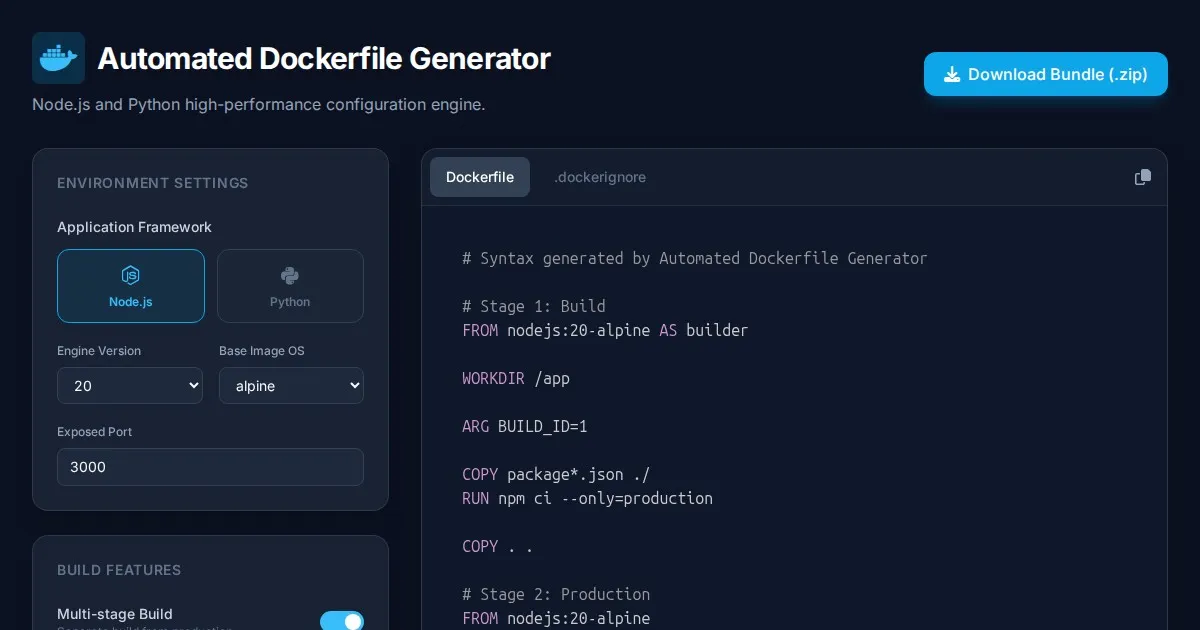
Automated Dockerfile Generator for Node.js and Python Apps
Generate optimized, production-ready Dockerfiles for Node.js and Python applications instantly. Customize base images, port configurations, and dependencies.
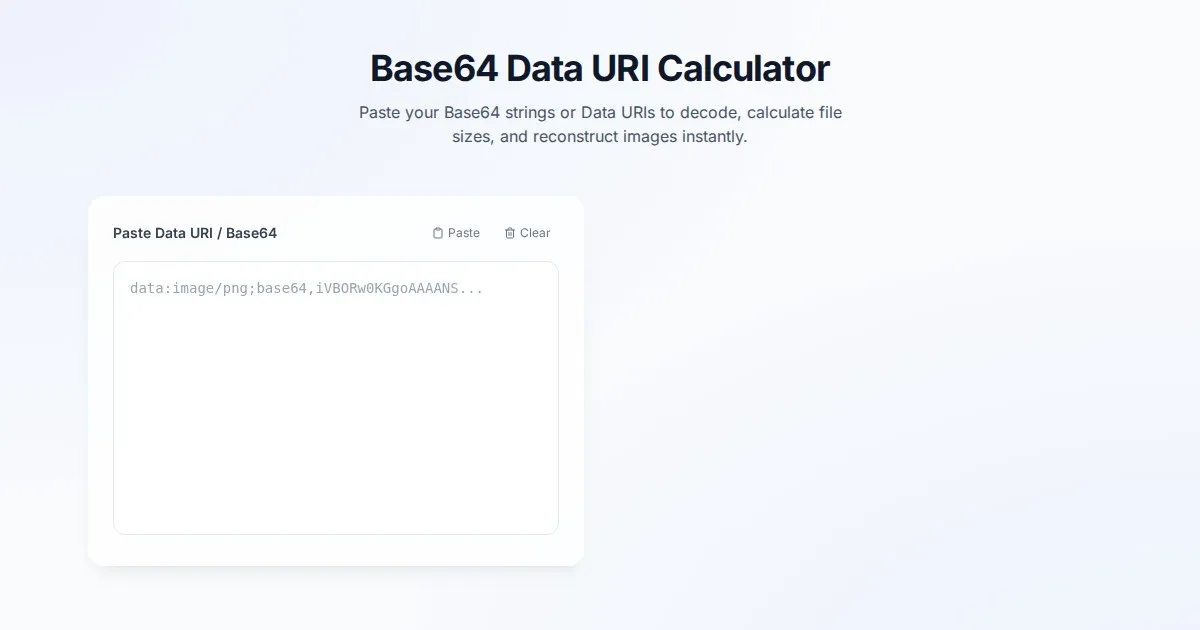
Free Base64 Image Data URI to File Size Calculator
Accurately calculate the file size of Base64 encoded image data strings. This free, web-based tool helps developers estimate binary file sizes for web apps.

Free Online 3D Model Viewer - GLTF & OBJ File Previewer
Instantly preview 3D models online with this free 3D Model Viewer. Support for GLTF, GLB, and OBJ formats. Drag and drop your files for a fast, browser-based render.

Free Online Color Blindness Simulator & Image Filter Tool
Easily simulate color vision deficiencies like protanopia, deuteranopia, and tritanopia. Upload images to test design accessibility for color blindness.
Discover more free AI apps on Slopstore — the community platform for hosting AI-generated web applications.