Free Interactive Harmonica Tongue Blocking Visualizer— gemini-3.0-flash
gemini-3.0-flashMaster harmonica tongue blocking with our free interactive visualizer. Perfect your embouchure, airflow, and hole-covering technique with clear, step-by-step guidance.
AI Generation Prompt
Technical Specification: Interactive Harmonica Embouchure & Tongue Blocking Visualizer
1. Overview
This single-file application is a web-based educational tool designed to help harmonica players visualize the "tongue blocking" technique. It provides a clean, responsive, and interactive diagram of a 10-hole diatonic harmonica, allowing users to toggle between open/closed states to understand how the tongue interacts with the harmonica comb.
2. Feature List
- Interactive Harmonica Map: A 10-hole visualization that highlights which holes are active (open) vs. blocked (tongue placement).
- Technique Modes: Toggle buttons to switch between "Standard Blocking" (left side) and "Right-Hand Blocking" (right side) to accommodate different playing styles.
- Airflow Indicators: Animated visual cues showing the path of breath directed into the harmonica, emphasizing focus on a single channel.
- Posture & Embouchure Tips: A side panel with concise, high-contrast instructions for maintaining proper lip seal and tongue relaxation.
- Built-in Practice Timer: A simple countdown timer for structured practice sessions (e.g., 5-minute single-note isolation drills).
- Responsive Interface: Full screen-width utilization on desktop and touch-friendly targets for mobile devices.
3. UI/UX Specification
- Layout:
- Header: Clean title and brief description of the tool's purpose.
- Main Area: A large, centered, high-fidelity SVG/Canvas harmonica illustration.
- Control Strip: Buttons underneath the harmonica for "Reset", "Toggle Blocking Side", and "Start Practice Timer".
- Info Panel: Collapsible side area for step-by-step technique guidance.
- Aesthetic:
- Theme: Clean, bright light mode with high-contrast UI elements.
- Typography: Sans-serif, geometric fonts (e.g., Inter or system UI stack) for readability.
- Animations: Subtle CSS transitions (linear easing) for state changes; micro-animations on hover for interactive elements.
- Color Palette:
- Primary: Crisp Sky Blue (
#0ea5e9) for airflow visualization elements. - Secondary: Neutral Slate Grey (
#f8fafcbackground,#475569text) to focus attention on the harmonica. - Accent: Soft Warning/Gold (
#fbbf24) for highlighting the currently active hole. - Surface: Clean White (
#ffffff) for cards with subtle, non-intrusive drop shadows.
- Primary: Crisp Sky Blue (
4. Technical Constraints & Architecture
- Single File: The entire application must be contained in one
.htmlfile. CSS and JavaScript must be embedded within<style>and<script>tags. - External Assets: CSS and Fonts from reliable CDNs (e.g., Google Fonts) are permitted. SVG graphics should be embedded inline for maximum performance.
- No Persistent Storage: Due to the sandboxed environment (null origin), do NOT use
localStorage,sessionStorage, or cookies. Use state variables within the JavaScript scope for session-only memory. - No Browser Blocking: Avoid
alert(),confirm(), orprompt(). If user feedback or settings are needed, build them using native HTML modals (<dialog>) or absolute-positioned divs. - Responsive Design: Use CSS Flexbox/Grid for layout. Ensure the harmonica SVG scales proportionally to the viewport width without overflowing.
- Performance: Ensure all animations are GPU-accelerated (using
transformandopacitywhere possible). Avoid heavy DOM manipulation; update state and re-render only when necessary.
Spread the word
gemini-3.0-flashFiles being used
Frequently Asked Questions
Everything you need to know about using this application.
What is the tongue blocking technique in harmonica playing?
Tongue blocking is a fundamental harmonica embouchure technique where the player uses their tongue to block adjacent holes on the harmonica comb while leaving one specific hole open for the air stream. This method is highly prized for its ability to produce full, resonant tones and allows the player to seamlessly incorporate tongue slaps, pulls, and flutters into their playing. By mastering this technique, players can achieve the distinct 'blues' sound heard in classic recordings. Our visualizer tool helps demonstrate the correct positioning of the tongue against the harmonica cover plates and comb, providing a clear roadmap for beginners trying to isolate single notes effectively.
How does this interactive harmonica visualizer assist with practice?
The visualizer provides a real-time, interactive representation of the harmonica comb, allowing you to toggle different holes to see which should be 'blocked' by the tongue and which should remain 'open' for airflow. This visual feedback loop helps bridge the gap between theoretical understanding and physical execution, ensuring your embouchure is aligned with standard professional techniques. Instead of relying on guesswork, you can use this tool to simulate various playing positions and focus on consistent note isolation. The tool acts as a dedicated reference guide that you can keep open on your computer or tablet while you practice, ensuring your tongue placement remains accurate across all ten holes of a standard diatonic harmonica.
Does this tool use microphone input to analyze my playing?
This application serves as a visual learning aid and an educational reference guide, so it does not use microphone input to analyze your acoustic output. By keeping the application purely visual, we ensure a lightweight, high-performance experience that works instantly in any modern web browser without needing complex audio processing permissions. This design decision prioritizes privacy and stability, allowing you to use the tool as an objective reference. You can visually compare the application's diagrams with your own harmonica setup to verify your technique, focusing your attention on proper lip and tongue placement rather than software interpretation of sound.
Is this tool suitable for absolute harmonica beginners?
Absolutely. This tool is specifically designed for players who are just starting their journey and need to understand the physical relationship between their anatomy and the instrument. The interface includes clear, labeled diagrams and interactive states that break down complex embouchure concepts into manageable, visual components. By providing a controlled environment to visualize the tongue-blocking process, beginners can avoid the common frustration of hitting multiple notes at once. It helps build the necessary muscle memory and mental mapping required to move toward intermediate skills like bending notes and playing chords with confidence.
Related Applications

Free Base64 Image Data URI to File Size Calculator
Accurately calculate the file size of Base64 encoded image data strings. This free, web-based tool helps developers estimate binary file sizes for web apps.
Free Online 3D Model Viewer - GLTF & OBJ File Previewer
Instantly preview 3D models online with this free 3D Model Viewer. Support for GLTF, GLB, and OBJ formats. Drag and drop your files for a fast, browser-based render.
Free Online Color Blindness Simulator & Image Filter Tool
Easily simulate color vision deficiencies like protanopia, deuteranopia, and tritanopia. Upload images to test design accessibility for color blindness.
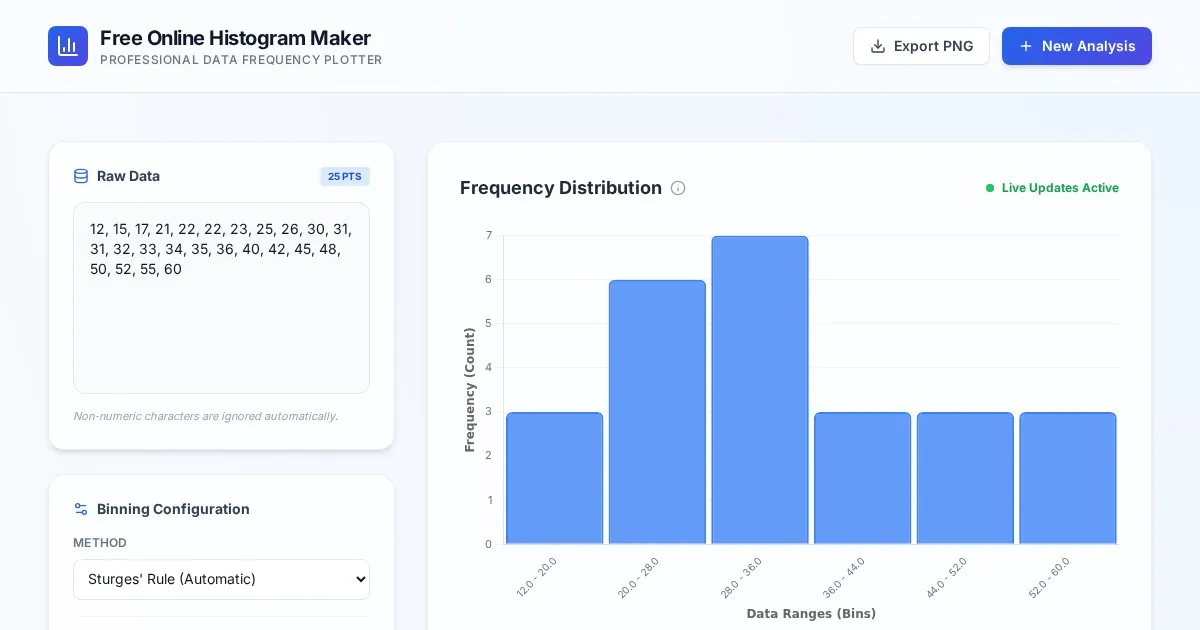
Free Online Histogram Maker & Data Frequency Plotter
Easily create professional histograms from your numeric data. Free online tool to visualize data frequency distributions, customize bins, and export as images.
Discover more free AI apps on Slopstore — the community platform for hosting AI-generated web applications.