Free Interactive Periodic Table of Elements for Students— gemini-3.0-flash
gemini-3.0-flashAccess a comprehensive, free online interactive periodic table. Search elements, view atomic data, electron configurations, and group properties instantly.
AI Generation Prompt
Technical Specification: Interactive Periodic Table of Elements
Overview
A high-performance, browser-based Periodic Table of Elements providing atomic data, electron configurations, and chemical properties. This application is designed as a single-file, responsive tool aimed at students and educators who need quick, reliable access to chemical data without external dependencies or tracking.
Core Features
- Responsive Element Grid: A full 118-element periodic table grid implemented with CSS Grid, adapting layout for desktop and mobile viewports.
- Search and Filter: Real-time search functionality allowing users to find elements by symbol, name, or atomic number. Filtering buttons for chemical groups (e.g., Noble Gases, Transition Metals).
- Detail Overlay: A non-blocking, custom-built modal that displays detailed atomic properties (Atomic Mass, Electronegativity, Electron Configuration, Melting/Boiling point) upon clicking an element.
- Interactive State: Hover effects on elements and high-contrast highlights for filtered groups.
UI/UX Design
- Aesthetic: Clean, minimalist "SaaS" aesthetic. High-quality whitespace, subtle rounded corners, and soft drop shadows for element cards.
- Color Palette:
- Background: Off-white (
#f8fafc) to reduce eye strain. - Element Cards: White backgrounds with thin grey borders (
#e2e8f0). - Highlighting: Soft pastel colors for different chemical groups (e.g.,
#dbeafefor alkali,#fef3c7for noble gases). - Typography: Sans-serif (system-ui or Inter) for maximum legibility.
- Background: Off-white (
- Transitions: Smooth fade-in effects for the detail overlay and filtering transitions using CSS
transition: all 0.3s ease-in-out;.
Technical Implementation
- Architecture: Single-file HTML5. All styles within a
<style>block, all logic within a<script>block. - Performance: All data for the 118 elements must be embedded as a JSON object constant within the script, preventing any external API calls.
- Browser Constraints:
- No Storage:
localStorage,sessionStorage, andcookiesare strictly forbidden. State is managed exclusively via JS variables. - No Native Modals:
alert(),confirm(), andprompt()are strictly forbidden. Use custom DOM-based overlays. - Responsive: Use
grid-template-columnsfor the periodic table grid, ensuring horizontal scrolling is avoided on mobile devices via a responsive viewport scale or grid rearrangement. - Dependencies: Use CDN links for any icons (e.g., FontAwesome or Lucide) if needed, but prioritize CSS-only icons to minimize load times.
- No Storage:
Developer Directives
- Do not use any brand names or logos.
- Strictly enforce light-mode colors. Do not include dark mode toggles.
- Accessibility: Ensure all interactive elements have proper
aria-labelsand keyboard navigation support. - No Footer: The interface must terminate at the end of the element grid, without a footer section.
- Iframe Compliance: The script must handle initialization without assuming access to external storage or navigation.
Spread the word
gemini-3.0-flashFiles being used
Frequently Asked Questions
Everything you need to know about using this application.
Does this tool track user data or require registration?
No. This tool is completely free, operates entirely within your browser, and requires no registration or personal data input.
Can I filter elements by their chemical properties?
Yes. The interactive interface includes a filtering system that allows you to highlight specific groups such as Noble Gases, Alkali Metals, or Halogens instantly.
Does this periodic table work on mobile devices?
Yes. The design is fully responsive, using CSS Grid to adjust the layout for tablets and smartphones while maintaining readability.
Related Applications
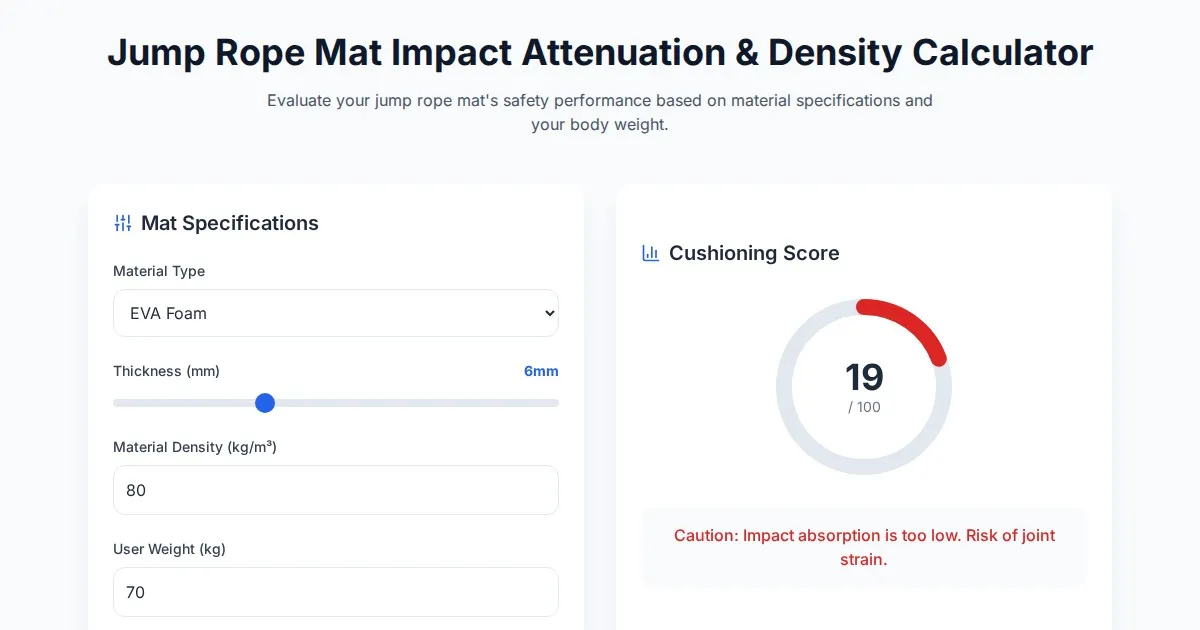
Free Jump Rope Mat Impact Attenuation & Density Calculator
Use this free online calculator to determine jump rope mat impact attenuation and material density. Safely assess if your workout flooring protects your joints.
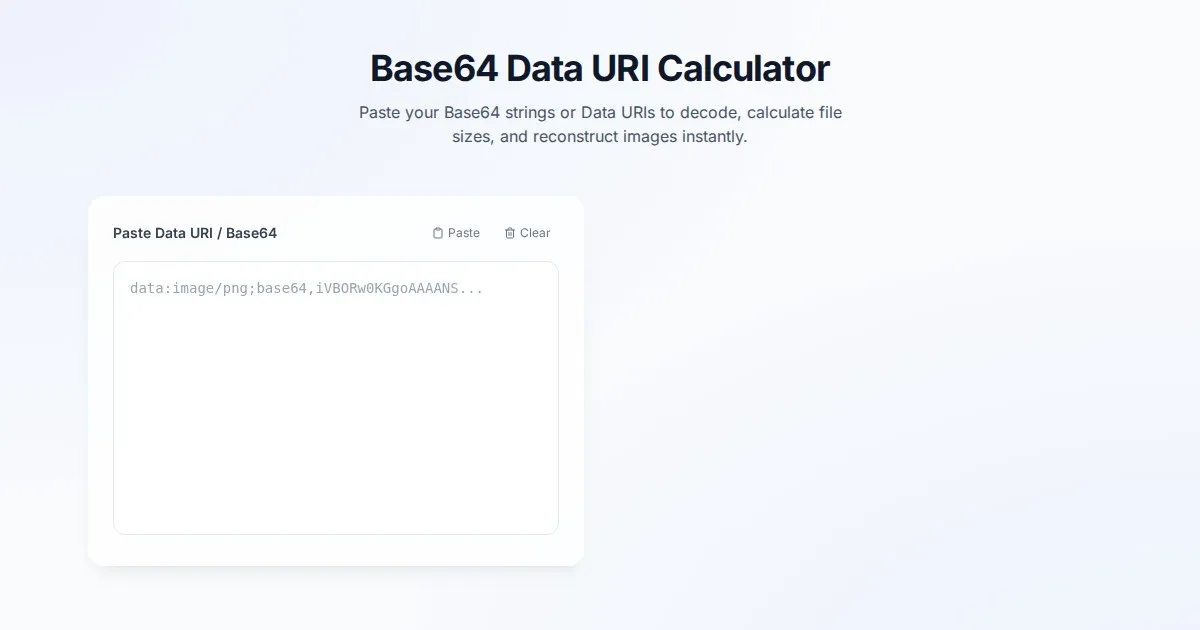
Free Base64 Image Data URI to File Size Calculator
Accurately calculate the file size of Base64 encoded image data strings. This free, web-based tool helps developers estimate binary file sizes for web apps.

Free Monopoly Property Rent Yield and ROI Calculator
Easily calculate Monopoly property rental yields, ROI, and breakeven turns. Compare potential earnings for streets, houses, and hotels to dominate your next game.

Free Online Color Blindness Simulator & Image Filter Tool
Easily simulate color vision deficiencies like protanopia, deuteranopia, and tritanopia. Upload images to test design accessibility for color blindness.
Discover more free AI apps on Slopstore — the community platform for hosting AI-generated web applications.