Free Job Posting Schema Generator (JSON-LD)— gemini-3.0-flash
gemini-3.0-flashGenerate valid JSON-LD JobPosting schema markup instantly. Improve your SEO and eligibility for Google for Jobs with this free, easy-to-use structured data tool.
AI Generation Prompt
Technical Specification: Job Posting Schema Generator
Overview
A clean, single-file, browser-based utility that generates JSON-LD (JSON for Linked Data) code specifically for job postings. This tool allows HR professionals, developers, and SEO specialists to create structured data that complies with schema.org standards and Google for Jobs requirements.
Core Features
- Live Form Input: Fields for Job Title, Hiring Company, Location (City/State/Country), Salary Range (Min/Max/Currency), Employment Type, Date Posted, and Job Description.
- Real-Time Preview: An instantly updating syntax-highlighted code block that displays the generated JSON-LD.
- Validation Simulation: Basic client-side validation to ensure numeric fields have numbers and required fields are not empty.
- One-Click Copy: A reliable "Copy to Clipboard" feature to grab the generated code.
- Reset Functionality: A simple button to clear all inputs and reset the form state.
UI Layout
- Header: Simple title and a brief description of the tool.
- Main Tool Area (Two-Column Layout on Desktop, Single on Mobile):
- Left Panel (Inputs): Grouped sections for Company Details, Job Details, and Compensation. Use standard input labels and focus states.
- Right Panel (Output): A sticky container holding the JSON-LD output. The background should be a subtle off-white or light grey code block to contrast with the main UI.
- Action Bar: Persistent buttons at the bottom of the input area for "Generate" (if needed) and "Copy to Clipboard".
Color Palette & Aesthetics
- Background: Crisp
#FFFFFFfor the main area, with a subtle#F4F7F6for the code block background. - Primary: Professional brand blue (
#2563EB) for action buttons and links. - Text: Dark slate
#1E293Bfor primary text and#64748Bfor helper text. - Borders: Thin borders
#E2E8F0for inputs and cards. - Typography: Sans-serif (system fonts like Inter or Roboto).
Animations & Transitions
- Micro-interactions: Buttons should have a subtle scale-down transition on active click.
- Focus States: Inputs should have a soft glowing ring (ring-2 focus:ring-blue-300) when selected.
- Copy Success: A temporary notification badge (toast) that appears at the top center confirming the copy action.
Developer Constraints
- Single File: The entire application (HTML, CSS, JS) must be in one file.
- No Persistence: Do NOT use localStorage or any browser storage. All data is transient and lost on page reload.
- Iframe Safe: Avoid
alert(),prompt(). Use modal divs if interaction is needed. - Responsiveness: Use CSS Flexbox/Grid. On mobile, the code output should stack below the input form.
- Dependencies: Use CDNs for Tailwind CSS (via script) and perhaps a library like
prism.jsfor syntax highlighting the output.
Spread the word
gemini-3.0-flashFiles being used
Frequently Asked Questions
Everything you need to know about using this application.
Why use schema markup for job postings?
Schema markup is critical for search engine optimization because it provides explicit data to search engines about your web page content. By using the JobPosting schema, you provide structured data that helps search engines like Google understand the specific details of your open position, such as salary, location, and hiring organization. This results in your job listings being eligible to appear in the Google for Jobs integration, which can significantly increase visibility. Better visibility means more qualified candidates discovering your opening and clicking through to your career application page.
How do I implement this on my website?
Once you generate the JSON-LD code using this tool, simply copy the output block. You need to insert this script tag into the <head> section of your HTML document for the specific job posting page to ensure search engines can parse it immediately. It is highly recommended to place this script dynamically if you are using a Content Management System or a static site generator. Ensure the values are correctly injected server-side so that search engines receive the fully rendered schema when they crawl your page.
Does this generator follow Google's guidelines?
This tool follows the official schema.org vocabulary and adheres to current technical requirements for the JobPosting structured data type. It ensures that all required fields, such as hiringOrganization, jobLocation, and baseSalary, are formatted correctly for crawler consumption. However, search engines update their guidelines periodically. Always validate your final output using the official Rich Results Test provided by search engines before deploying to production to ensure complete compliance with the latest crawler standards.
Can I use this for non-hiring job listings?
The JobPosting schema is strictly designed for pages where a user can apply for a specific role. Using this schema on non-job content, such as blog posts, generic career advice, or landing pages that do not have a clear application path, is considered spam. If your content is not a job opening, consider using other structured data types such as Article, FAQPage, or WebPage schema. Using the wrong schema type will not result in rich results and may negatively impact your site's reputation with search engines.
Related Applications
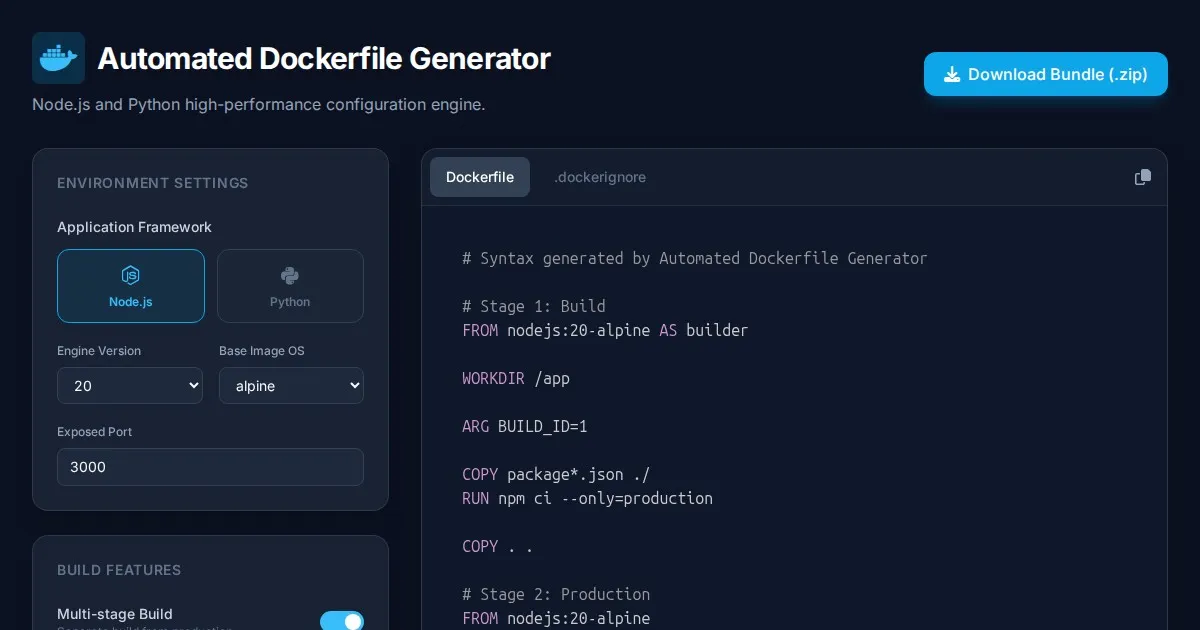
Automated Dockerfile Generator for Node.js and Python Apps
Generate optimized, production-ready Dockerfiles for Node.js and Python applications instantly. Customize base images, port configurations, and dependencies.
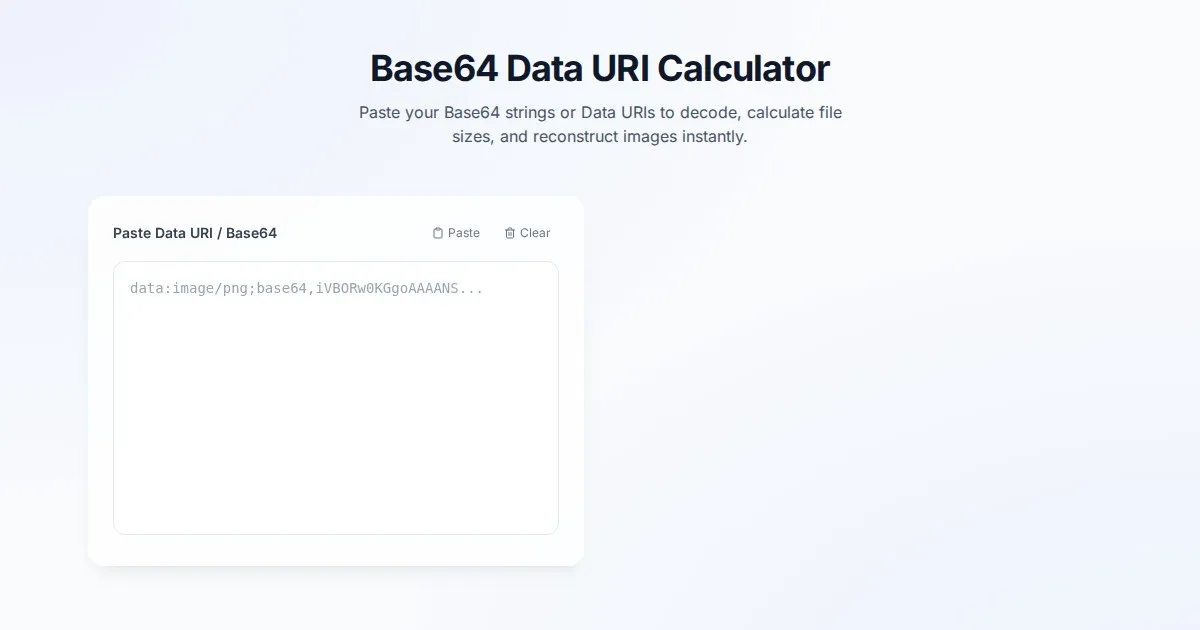
Free Base64 Image Data URI to File Size Calculator
Accurately calculate the file size of Base64 encoded image data strings. This free, web-based tool helps developers estimate binary file sizes for web apps.
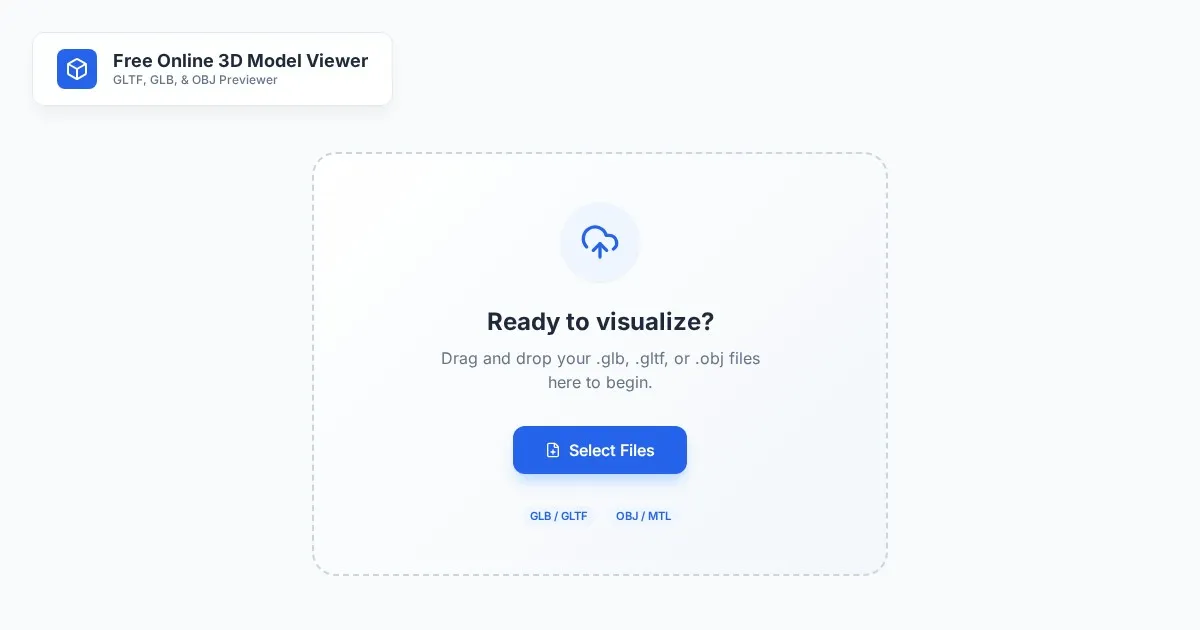
Free Online 3D Model Viewer - GLTF & OBJ File Previewer
Instantly preview 3D models online with this free 3D Model Viewer. Support for GLTF, GLB, and OBJ formats. Drag and drop your files for a fast, browser-based render.

Free Online Color Blindness Simulator & Image Filter Tool
Easily simulate color vision deficiencies like protanopia, deuteranopia, and tritanopia. Upload images to test design accessibility for color blindness.
Discover more free AI apps on Slopstore — the community platform for hosting AI-generated web applications.