Free Lathe Tool Nose Radius Surface Finish Calculator— gemini-3.0-flash
gemini-3.0-flashAccurately estimate theoretical surface finish (Ra) for CNC lathe operations. A precise, free engineering tool for calculating impact of feed rate and tool radius.
AI Generation Prompt
Technical Specification: Theoretical Lathe Surface Finish Calculator
1. Application Overview
A high-precision, interactive engineering utility designed for machinists and CNC programmers. The application allows users to input their lathe tool nose radius and feed rate to instantly estimate the theoretical Ra (Surface Roughness) value.
2. Technical Architecture
- Architecture: Single-file architecture (HTML/CSS/JS). All assets and logic contained within a single
index.html. - Storage: Stateless. No
localStorageor persistence. All calculations are performed in-memory. - Environment: Must run in a sandboxed iframe. No popups or external navigation. All links are
target="_blank". - Frameworks: Tailwind CSS (via CDN) for styling. Vanilla JavaScript (ES6+) for math and UI logic.
3. UI/UX Design
- Aesthetic: Minimalist, clean, "SaaS" aesthetic. Light mode only. Use crisp typography (system sans-serif stack).
- Layout:
- Header: Descriptive tool title and subtitle.
- Main Input Section: A two-column grid. Left side for numerical inputs (Tool Nose Radius, Feed Rate) with a unit toggle (mm/inch). Right side for the "Live Result" display.
- Visualization: A simplified vector diagram (SVG) showing the relationship between the tool radius, the feed, and the cusp height.
- Reference Guide: A small table displaying common insert radii (0.2mm, 0.4mm, 0.8mm, 1.2mm) to help users quickly identify standard inputs.
- Animations: Subtle fade-ins for result updates using CSS transitions. Smooth input validation states (no aggressive red borders, but gentle visual indicators for invalid input).
4. Feature Set
- Real-time Calculation: The output updates instantly as the user types (debounced input handler).
- Unit Awareness: Dynamic switching between metric and imperial. If switched, input values convert (or clear, depending on precision requirements) to prevent unit confusion.
- Input Validation: Restrict inputs to positive numbers only. Handle invalid or zero-value inputs gracefully with helpful text instead of error alerts.
- Copy to Clipboard: A "Copy Result" button to allow the user to grab the Ra value for use in their CAM software.
5. Color Palette (Light Mode)
- Background:
#F9FAFB(Gray-50) - Card Background:
#FFFFFF(Pure White) with shadowbox-shadow: 0 4px 6px -1px rgba(0, 0, 0, 0.1) - Primary Text:
#111827(Gray-900) - Secondary Text:
#6B7280(Gray-500) - Accent Color (Action):
#2563EB(Blue-600) for buttons and highlights. - Border Color:
#E5E7EB(Gray-200)
6. Implementation Directives for Developers
- Constraint Compliance: Strictly adhere to no cookies, no storage, no branding.
- Performance: Use
requestAnimationFramefor any visual feedback loops. - Responsiveness: Use CSS Grid and Flexbox to collapse the two-column input/result layout into a single column on mobile devices (< 768px).
- Math Logic: Use precise floating-point math. Handle the Ra formula:
Ra = (f^2 / (32 * r)) * 1000(depending on unit output requirements). Ensure the logic is modular and cleanly separated from the DOM manipulation.
Spread the word
gemini-3.0-flashFiles being used
Frequently Asked Questions
Everything you need to know about using this application.
How does the tool nose radius affect surface finish?
In CNC lathe turning operations, the tool nose radius acts as the profile that cuts the material. As the tool moves along the workpiece, the radius leaves a series of small, overlapping ridges known as cusps. A larger tool nose radius generally results in a smaller cusp height for a given feed rate, leading to a smoother surface finish. Conversely, a smaller tool nose radius, or an excessively high feed rate, will result in deeper cusps and a rougher surface profile. This calculator determines the theoretical surface roughness (Ra) by analyzing the geometry of these cusps relative to the feed rate and the radius of the cutting insert.
What is the formula used for this Ra calculation?
The theoretical surface finish (Ra) calculation provided by this utility is based on the industry-standard geometric formula for turning: Ra ≈ f² / (32 × r), where 'f' is the feed rate and 'r' is the tool nose radius. This formula assumes a rigid setup where the tool geometry is the primary factor influencing the surface texture. It is important to note that this is a theoretical calculation. In real-world machining conditions, actual surface roughness is often higher than this theoretical value due to factors such as machine vibration, tool wear, material build-up at the edge, and work-holding rigidity.
Can I use this tool for both Imperial and Metric measurements?
Yes, this utility is fully compatible with both Metric (millimeters) and Imperial (inches) measurement systems. You can toggle the input units using the selector switch provided in the interface, and the calculation engine will automatically adjust the conversion constants to ensure accuracy. When inputting values, ensure that the units for feed rate and tool nose radius are consistent to maintain precision in your results. The output will automatically match the unit system you have selected for your inputs.
Why does the result show a 'theoretical' value instead of an absolute one?
Surface finish in machining is a complex phenomenon influenced by many physical variables that a simple geometric formula cannot predict. While the tool nose radius and feed rate are the primary geometric drivers, physical variables like chip formation, material hardness, cutting speed, and coolant effectiveness play a massive role. This tool is designed to provide a baseline, 'best-case scenario' target for your machining setup. Use the calculated Ra value as a guide for your programming and process planning, but always verify the final surface quality with a profilometer or comparator plate during the first-article inspection.
Related Applications

Automated Dockerfile Generator for Node.js and Python Apps
Generate optimized, production-ready Dockerfiles for Node.js and Python applications instantly. Customize base images, port configurations, and dependencies.
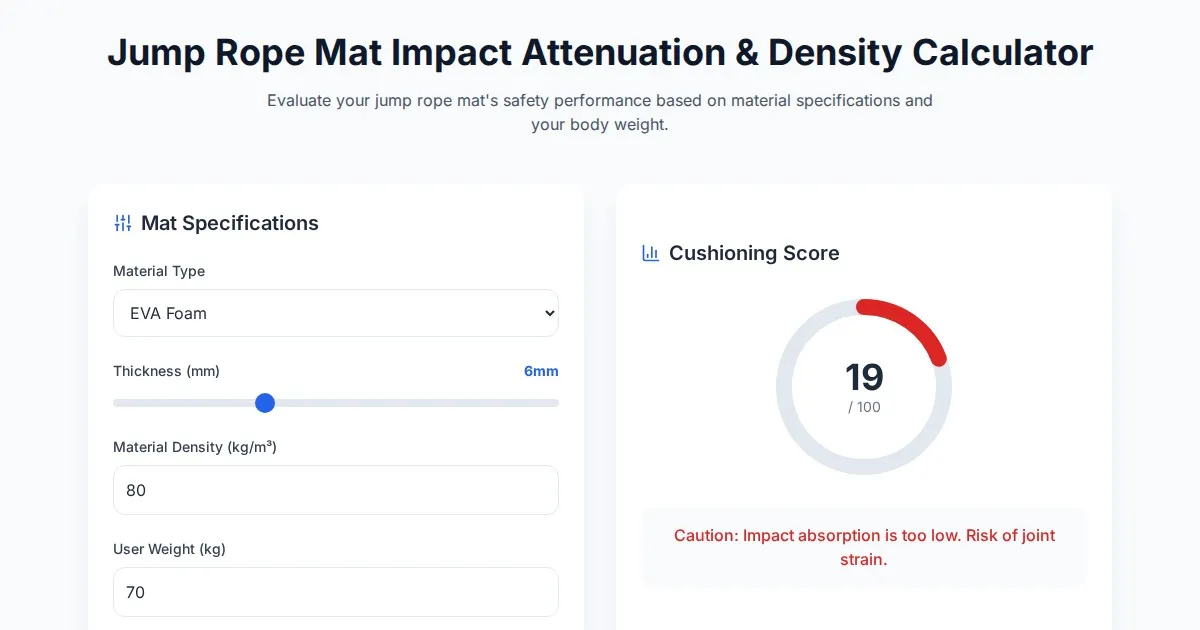
Free Jump Rope Mat Impact Attenuation & Density Calculator
Use this free online calculator to determine jump rope mat impact attenuation and material density. Safely assess if your workout flooring protects your joints.

Free Base64 Image Data URI to File Size Calculator
Accurately calculate the file size of Base64 encoded image data strings. This free, web-based tool helps developers estimate binary file sizes for web apps.

Free Online Color Blindness Simulator & Image Filter Tool
Easily simulate color vision deficiencies like protanopia, deuteranopia, and tritanopia. Upload images to test design accessibility for color blindness.
Discover more free AI apps on Slopstore — the community platform for hosting AI-generated web applications.