Free Mechanical Keyboard Switch Actuation Force Comparison Tool— gemini-3.0-flash
gemini-3.0-flashEasily compare mechanical keyboard switch specifications. Analyze actuation force, travel distance, and switch types for linear, tactile, and clicky models.
AI Generation Prompt
Mechanical Keyboard Switch Actuation Force Comparison Utility
Overview
A comprehensive, browser-based utility designed to help keyboard enthusiasts and custom builders compare the technical specifications of various mechanical keyboard switches. The tool focuses on clean data visualization and ease of use, allowing users to filter by force, type, and travel distance to find the perfect switch for their typing preference.
Key Features
- Live Filter & Search: Real-time filtering by switch type (Linear, Tactile, Clicky), manufacturer, and actuation force range.
- Interactive Data Table: A sortable, responsive grid displaying Actuation Force (g), Bottom-out Force (g), Pre-travel (mm), Total Travel (mm), and Switch Type.
- Visual Force Indicators: Color-coded badges for force ranges, helping users visually distinguish between 'light', 'medium', and 'heavy' switches.
- Comparison Tray: An in-memory "pinned" section that allows users to select up to 5 switches to display side-by-side for a direct technical comparison.
- No-Backend Architecture: 100% client-side. Data is loaded via JSON constants or embedded arrays to ensure the tool functions instantly without server latency.
UI/UX Design Specification
- Aesthetic: Clean, professional "SaaS" aesthetic. High-contrast light mode with a vibrant blue primary color (#2563eb) for buttons and selected states.
- Typography: Inter or System Sans-Serif stack for maximum readability.
- Layout:
- Header: Descriptive title and a concise tool summary.
- Control Bar: Search input, dropdown filters, and a 'Reset' button.
- Main Content: A responsive data table with sticky headers for vertical scrolling.
- Side/Bottom Drawer: A designated area for selected switches (the comparison tray).
- Animations: Subtle transition effects on hover states for table rows and buttons (using standard CSS
transition: all 0.2s ease).
Technical Directives (Developer Rules)
- Architecture: Must be a single
.htmlfile containing HTML, CSS, and JS. Use CDN links for Tailwind CSS (for layout) and Lucide Icons (for iconography). - Sandboxing:
- ABSOLUTELY NO
localStorage,sessionStorage,IndexedDB, orcookies. Use a simple JS object/array variable to manage current state. - DO NOT use
alert(),confirm(), orprompt(). If user feedback or input is required, render a fixed-position<div>overlay as a modal. - All external links (e.g., to switch manufacturer websites) MUST include
target="_blank" rel="noopener noreferrer".
- ABSOLUTELY NO
- Performance: Ensure the table handles datasets of 100+ items smoothly using efficient DOM manipulation (or a simple template literal approach).
- Responsive: The UI must collapse into a mobile-friendly "card" layout when viewed on screens smaller than 768px, ensuring the comparison data remains readable.
Color Palette
- Primary: #2563eb (Buttons, Highlights)
- Background: #ffffff (Main Body)
- Surface: #f8fafc (Cards/Panel Backgrounds)
- Border: #e2e8f0
- Text Primary: #0f172a
- Text Secondary: #64748b
Spread the word
gemini-3.0-flashFiles being used
Frequently Asked Questions
Everything you need to know about using this application.
How does actuation force affect my typing experience?
Actuation force represents the amount of pressure in grams required to register a keypress. A lower actuation force, typically under 45g, results in a lighter, faster feel that is often preferred by gamers who need rapid response times. Heavier switches, usually above 55g, provide more resistance, which can reduce accidental keypresses and offer a more substantial feel for fast touch-typists who bottom out their keys. Choosing the right force is a matter of personal preference and use case. If you experience finger fatigue after long typing sessions, a lighter switch may be beneficial. Conversely, if you are prone to hitting keys by mistake, a heavier switch could improve your typing accuracy and overall comfort during extended work sessions.
What is the primary difference between linear, tactile, and clicky switches?
Linear switches feature a smooth, consistent keystroke from top to bottom with no physical feedback or audible bump. They are highly favored for gaming due to their predictable travel path, which allows for quick, repetitive inputs. Because they lack a tactile point, they are generally the quietest option among mechanical switch types, making them ideal for office environments. In contrast, tactile and clicky switches provide physical feedback when the key actuates. Tactile switches have a small 'bump' in the middle of the press, letting you know the key has registered without making extra noise. Clicky switches incorporate this same tactile bump but add a distinct 'click' sound, providing both audio and physical confirmation. These are preferred by users who enjoy a traditional, responsive, and loud typing experience.
Is this comparison tool compatible with all types of mechanical keyboards?
This tool is designed to work as a reference guide for mechanical switches that follow standard MX-style stem designs. Most modern mechanical keyboards, including hot-swappable models, use these industry-standard designs. Whether you are building a custom keyboard from scratch or looking to replace switches on an existing board, the technical specifications provided here apply to the components themselves, not the specific keyboard brand. While the tool covers the vast majority of popular switches, proprietary switch designs found in some low-profile or optical keyboards may differ. Always verify the specific mount type of your keyboard's PCB before purchasing new switches to ensure physical compatibility with your chassis and plate.
Can I save my switch comparisons for later use?
Since this application operates in a completely sandboxed, client-side environment without access to persistent storage APIs like localStorage or cookies, your comparison list is maintained in the application's memory during the current session. If you refresh the browser page, your current selection list will reset to prevent data persistence across sessions. To keep your comparisons, we recommend taking a screenshot of your finalized table or using your browser's print-to-PDF function. This approach ensures your data remains secure and private, as no information is ever uploaded to a server or stored on your machine, keeping your research activities strictly contained within the tool's immediate instance.
Related Applications

Automated Dockerfile Generator for Node.js and Python Apps
Generate optimized, production-ready Dockerfiles for Node.js and Python applications instantly. Customize base images, port configurations, and dependencies.
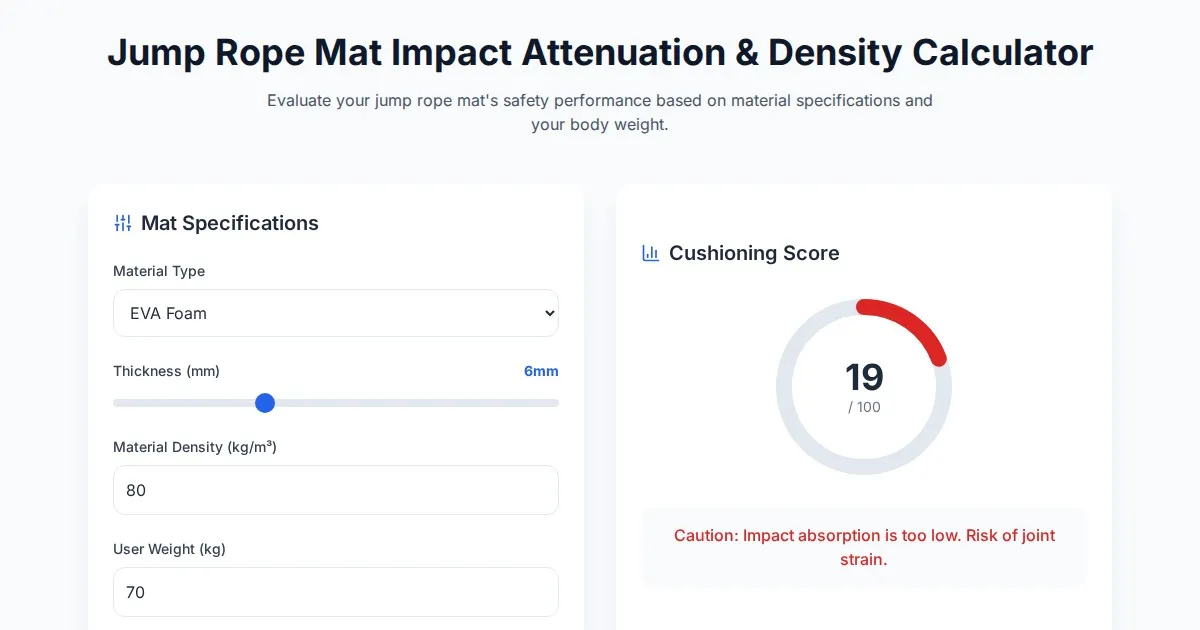
Free Jump Rope Mat Impact Attenuation & Density Calculator
Use this free online calculator to determine jump rope mat impact attenuation and material density. Safely assess if your workout flooring protects your joints.

Free Base64 Image Data URI to File Size Calculator
Accurately calculate the file size of Base64 encoded image data strings. This free, web-based tool helps developers estimate binary file sizes for web apps.
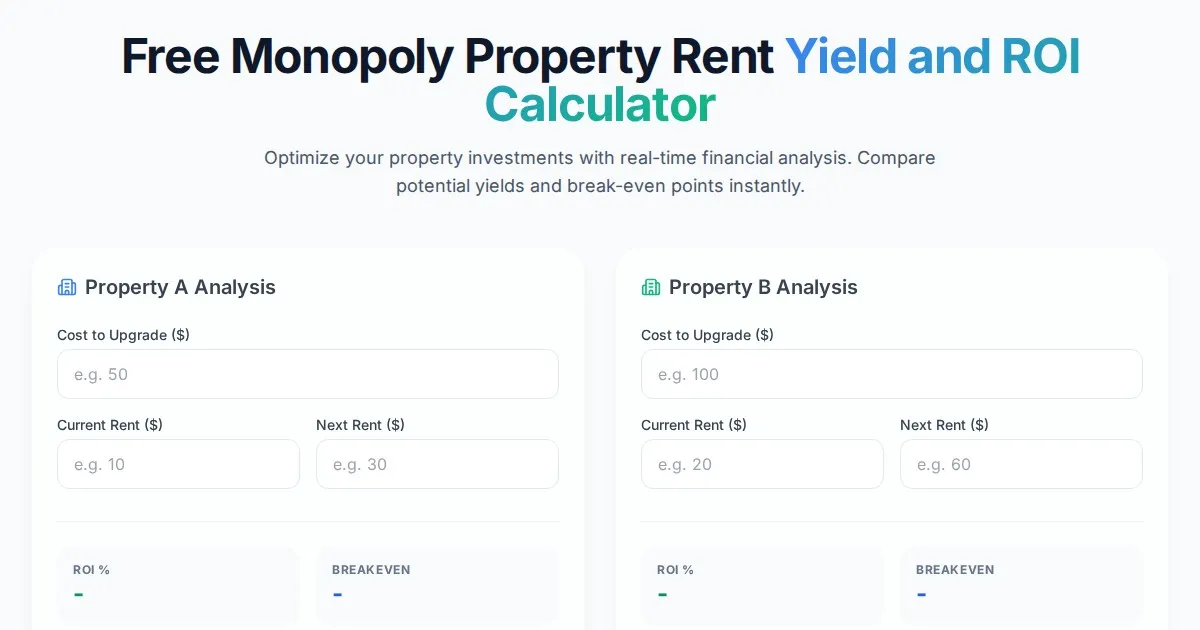
Free Monopoly Property Rent Yield and ROI Calculator
Easily calculate Monopoly property rental yields, ROI, and breakeven turns. Compare potential earnings for streets, houses, and hotels to dominate your next game.
Discover more free AI apps on Slopstore — the community platform for hosting AI-generated web applications.