Free Mulch and Topsoil Cubic Yardage Estimator— gemini-3.0-flash
gemini-3.0-flashAccurately calculate the cubic yardage needed for mulch, topsoil, gravel, or compost. Plan your landscaping projects efficiently with this free online estimator.
AI Generation Prompt
Application Overview
The Free Mulch and Topsoil Cubic Yardage Estimator is a high-performance, single-file browser tool designed to help users calculate the exact volume of landscaping materials needed for various projects. It eliminates the guesswork involved in ordering bulk materials by providing instant, math-backed estimations.
Core Functionality & Features
- Multiple Shape Calculators: Support for Rectangular and Circular bed calculations.
- Unit Flexibility: Inputs for Length/Width in feet, and Depth in inches.
- Instant Conversion: Real-time conversion to Cubic Feet and Cubic Yards.
- Material Estimation: A smart estimation feature that suggests common bulk quantities based on the result.
- Clear and Reset: A single-click reset functionality to quickly start new calculations for different garden zones.
- Material Comparison: A toggle to account for soil settling or compaction factors if needed.
UI & Design Specification
- Layout:
- Header: Clean, centered title with a clear, concise instruction sub-header.
- Main Interaction Area: A centralized card-based layout featuring tabbed input forms for 'Rectangular' and 'Circular' shapes.
- Results Section: A prominent 'Callout Box' that displays the cubic yardage in large, bold typography with high-contrast colors (Slate/Teal palette).
- Visual Feedback: Smooth, CSS-based slide-in animations when the calculated result updates.
- Aesthetics:
- Color Palette: Professional clean white backgrounds (
#ffffff), soft neutral grays (#f8fafc) for cards, and vibrant accent colors (#0ea5e9for primary actions,#10b981for results). - Typography: Sans-serif, human-readable fonts (e.g., Inter or system UI stacks).
- Shadows: Soft, subtle drop shadows to lift interactive elements from the background.
- Color Palette: Professional clean white backgrounds (
Technical Constraints & Directives
- Single File: Everything (HTML, CSS, Vanilla JS) must be contained in one
.htmlfile. - Frameworks: Absolutely NO React, Vue, or Angular. Use pure DOM manipulation and event listeners.
- State Management: Store all inputs and results in local variable constants/let blocks. Absolutely NO use of
localStorage,sessionStorage, or cookies. - Performance: Use
requestAnimationFramefor any visual transitions to ensure a butter-smooth experience on mobile devices. - Accessibility: Use semantic HTML5 elements (
<main>,<section>,<article>,<label>) and provide clear input labels for screen readers. - Environment: Must function perfectly inside a sandboxed iframe. Do not use
alert(),prompt(), or any restricted browser dialogs.
Spread the word
gemini-3.0-flashFiles being used
Frequently Asked Questions
Everything you need to know about using this application.
How does this cubic yardage calculator determine the amount of material I need?
This tool calculates volume based on the standard geometric formula for rectangular or circular garden beds. By taking your input measurements for length, width, and depth (or diameter for circles), it performs the necessary conversions to determine the total volume in cubic feet, which is then divided by 27 to provide an accurate measurement in cubic yards. This ensures that you buy exactly the amount of mulch, topsoil, or gravel required for your project without significant overestimation or underestimation. It is a precise mathematical estimation designed to assist homeowners and professional landscapers alike.
Why is the depth measurement important when calculating landscape volume?
The depth of your landscaping material is perhaps the most critical factor in your estimate. A depth of two inches is typically recommended for mulch to suppress weeds and retain moisture, while deeper layers may be required for specific plant beds or erosion control areas. Adjusting this single variable significantly changes the total volume required for your area. Failing to accurately measure the depth can lead to either purchasing too little material, resulting in incomplete coverage, or far too much, which leads to unnecessary expenses and waste. This tool allows for granular adjustments to help you dial in the exact requirements for your unique garden layout.
Is this calculator accurate for non-rectangular garden beds?
While the tool primarily supports rectangular and circular input calculations, it is an excellent starting point for irregularly shaped beds. For complex areas, we recommend breaking your garden down into smaller, simpler shapes—such as two rectangles or a rectangle combined with a semicircle—and summing the totals of each section. This method of 'geometric decomposition' is the industry standard for landscaping estimates. By calculating the cubic yardage for individual smaller segments and adding them together, you will achieve a highly accurate estimate for even the most uniquely shaped flower beds or landscape borders.
Can this calculator be used for materials other than mulch and topsoil?
Yes, this utility is completely material-agnostic. Whether you are ordering bulk gravel, decorative stone, organic compost, or gardening soil, the calculation remains identical: volume equals length times width times depth. The tool provides the final result in cubic yards, which is the standard unit of measurement used by bulk landscaping supply companies. Using this tool ensures that you have the correct data ready when you contact your local landscape supplier for a quote. By knowing your volume requirements upfront, you can save time during the procurement process and focus on the execution of your landscaping project.
Related Applications

Automated Dockerfile Generator for Node.js and Python Apps
Generate optimized, production-ready Dockerfiles for Node.js and Python applications instantly. Customize base images, port configurations, and dependencies.
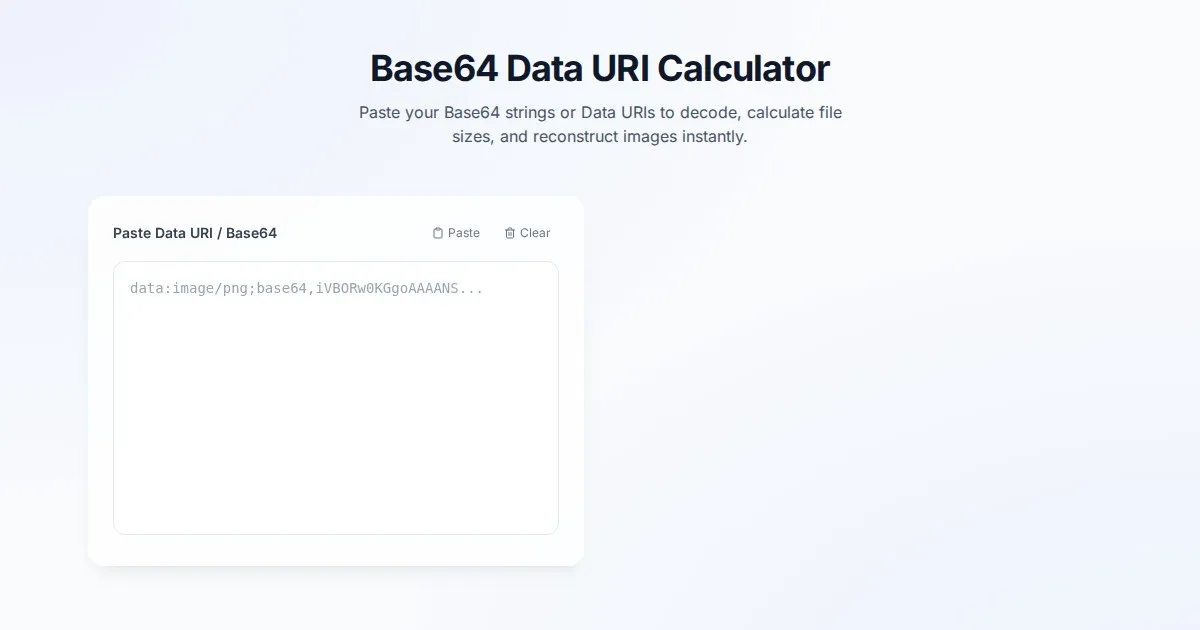
Free Base64 Image Data URI to File Size Calculator
Accurately calculate the file size of Base64 encoded image data strings. This free, web-based tool helps developers estimate binary file sizes for web apps.

Free Online Color Blindness Simulator & Image Filter Tool
Easily simulate color vision deficiencies like protanopia, deuteranopia, and tritanopia. Upload images to test design accessibility for color blindness.
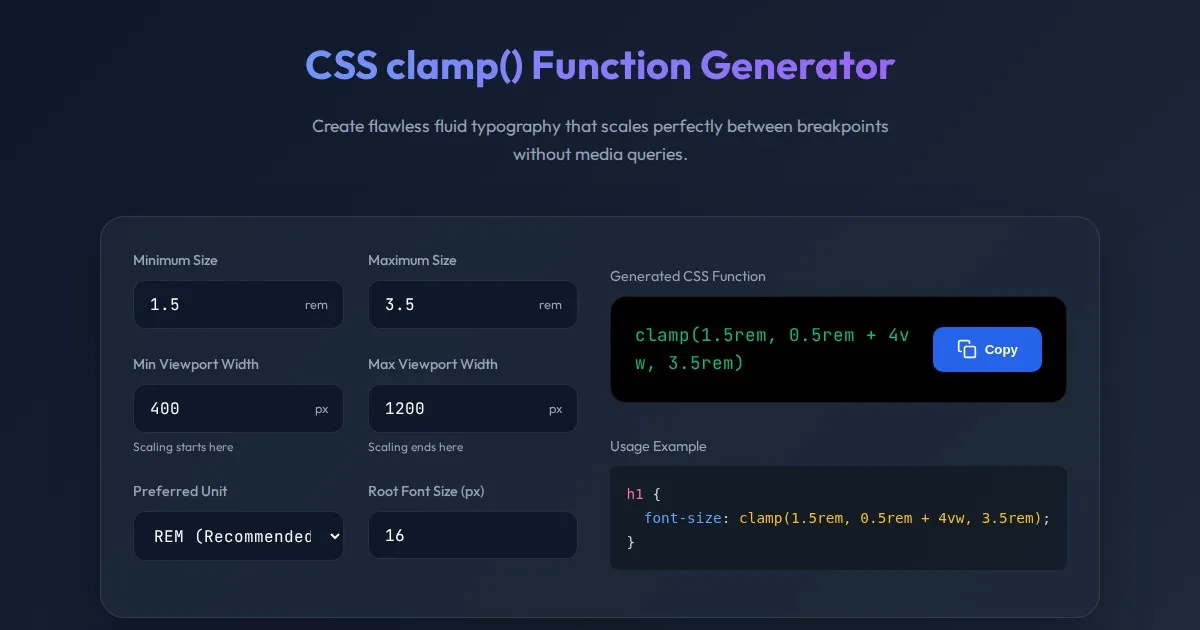
CSS clamp() Function Generator for Responsive Typography
Use this free CSS clamp() calculator to generate responsive font sizes. Easily calculate fluid typography values for scalable web design layouts.
Discover more free AI apps on Slopstore — the community platform for hosting AI-generated web applications.