Free Neutral Density (ND) Filter Exposure Time Calculator— gemini-3.0-flash
gemini-3.0-flashCalculate accurate long exposure shutter speeds for your camera with our free ND filter calculator. Perfect for photographers and videographers.
AI Generation Prompt
Neutral Density Filter Exposure Calculator Specification
Overview
This single-file web application serves as a precise utility for photographers and videographers to compute adjusted shutter speeds when utilizing Neutral Density (ND) filters. The tool provides a clean, responsive interface that eliminates the need for manual math in the field.
Technical Architecture
- Type: Single-file HTML5 application (HTML + CSS + JS in one file).
- Framework: Vanilla JavaScript, standard HTML5/CSS3 (No build steps, no external frameworks).
- Dependencies: Tailwind CSS via CDN for styling, Lucide Icons via CDN for iconography.
- Constraints:
- Strictly NO localStorage, sessionStorage, or Cookies (Stateless design).
- No popups (alert/prompt/confirm); use custom HTML modals if required.
- Must handle window resizing for mobile, tablet, and desktop.
- All external links must have
target="_blank" rel="noopener noreferrer".
Feature Specifications
- Base Exposure Input:
- Dropdown or segmented control for standard shutter speeds (1/8000s to 30s).
- Filter Selection:
- Dropdown selection by "Stops" (1 to 10 stops) and "ND Factor" (ND2 to ND1000).
- Result Display:
- Large, high-visibility output for the calculated shutter speed.
- Visual indicator showing the total light reduction in stops.
- Bulb Mode Support:
- Clear text display for exposures exceeding 30 seconds (e.g., "Use Bulb Mode: 1m 20s").
- Instant Update:
- Real-time calculation logic; as soon as a user selects a filter, the result updates without a 'Calculate' button click.
UI/UX Design
- Aesthetic: Minimalist, high-end SaaS "Light Mode".
- Color Palette:
- Background:
#f8fafc(Cool gray-50). - Card Surface:
#ffffffwith subtle soft shadows. - Primary Accent:
#3b82f6(Blue-500) for active states/results. - Text:
#1e293b(Slate-800) for primary,#64748b(Slate-500) for secondary.
- Background:
- Layout:
- Centered responsive card component.
- Header section with tool title.
- Input area using segmented buttons or clean dropdowns.
- Results section with a prominent, readable typography.
- Micro-interactions:
- CSS transitions for all hover states.
- Smooth fade-in for calculation results.
Explicit Developer Directives
- DO NOT use any storage APIs. All calculations must occur in-memory.
- Style: Ensure all elements are responsive. Avoid absolute positioning that breaks on smaller screens. Use Flexbox or CSS Grid.
- Performance: Keep the JavaScript payload extremely light. The app should load instantly.
- Accessibility: Ensure high contrast text and keyboard-navigable inputs for all form elements.
Spread the word
gemini-3.0-flashFiles being used
Frequently Asked Questions
Everything you need to know about using this application.
What is an ND filter exposure calculator?
A Neutral Density (ND) filter exposure calculator is a specialized utility designed to help photographers determine the correct shutter speed when using light-reducing filters. By inputting the base shutter speed and the strength of the ND filter (measured in stops or ND factor), the tool automatically calculates the necessary duration to achieve a correct exposure. This is essential for long-exposure photography, such as capturing silky waterfalls or motion-blurred clouds during daylight hours. Without this calculation, it is easy to under-expose or over-expose the image, resulting in lost data and missed shots.
How do I calculate shutter speed with an ND filter?
To calculate the new shutter speed, you first need to establish your 'base' exposure—the shutter speed your camera would require without the filter to achieve a proper exposure. Once you have the base speed, you apply the ND filter factor or number of stops to that value. Our tool simplifies this process by automating the mathematical multiplication. You simply select your base shutter speed and the filter density, and the tool instantly provides the adjusted time, ensuring your camera settings are perfectly optimized for the chosen lighting conditions and creative goals.
Can this tool be used for video production?
Absolutely. Videographers often use ND filters to maintain the '180-degree shutter rule,' which states that your shutter speed should be double your frame rate (e.g., 1/50th of a second for 25fps video). In bright sunlight, this speed is often too fast, potentially causing overexposure. By using this calculator, videographers can quickly determine the exact ND filter strength required to maintain their desired aperture and ISO settings while keeping the shutter speed at the ideal cinematic rate. This allows for professional-looking motion blur even in extremely bright environments.
Is this calculator accurate for long exposures?
Yes, the calculation method is mathematically precise and follows standard photographic exposure theory. It works for all shutter speeds, ranging from high-speed fractions of a second to long-exposure 'bulb' settings lasting several minutes. However, it is important to note that when exposure times exceed 30 seconds, many sensors experience 'reciprocity failure' or color shifts. While this tool provides the exact mathematical time, you may need to adjust your results based on your specific camera model’s characteristics for extremely long exposures.
Related Applications
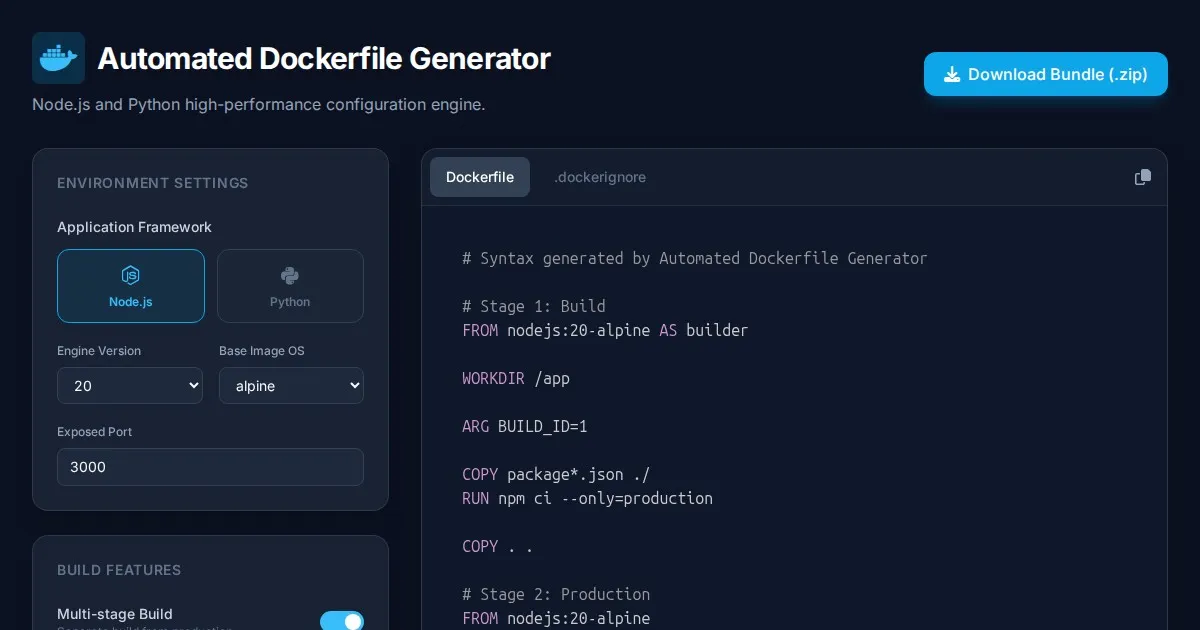
Automated Dockerfile Generator for Node.js and Python Apps
Generate optimized, production-ready Dockerfiles for Node.js and Python applications instantly. Customize base images, port configurations, and dependencies.
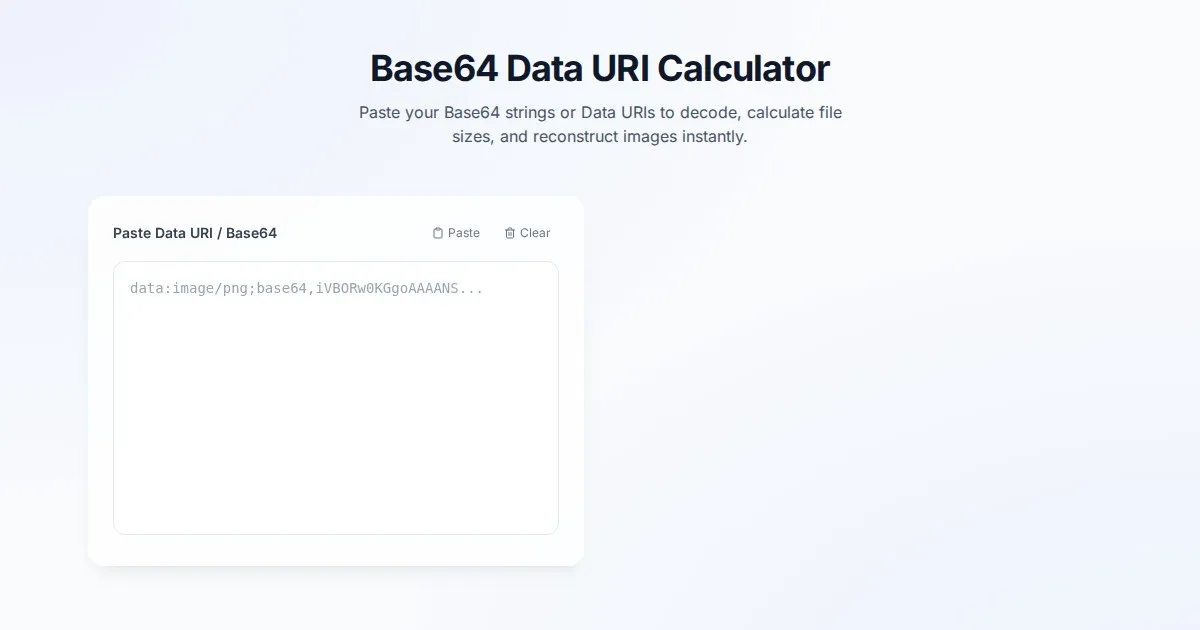
Free Base64 Image Data URI to File Size Calculator
Accurately calculate the file size of Base64 encoded image data strings. This free, web-based tool helps developers estimate binary file sizes for web apps.
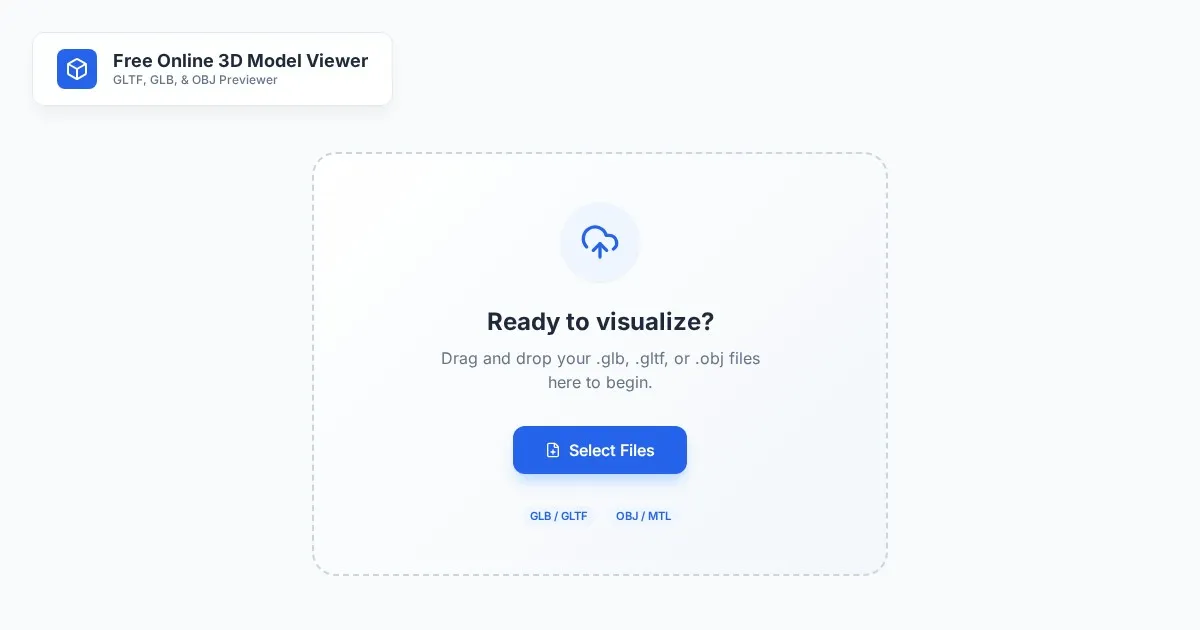
Free Online 3D Model Viewer - GLTF & OBJ File Previewer
Instantly preview 3D models online with this free 3D Model Viewer. Support for GLTF, GLB, and OBJ formats. Drag and drop your files for a fast, browser-based render.
Free Online Color Blindness Simulator & Image Filter Tool
Easily simulate color vision deficiencies like protanopia, deuteranopia, and tritanopia. Upload images to test design accessibility for color blindness.
Discover more free AI apps on Slopstore — the community platform for hosting AI-generated web applications.