Free Nginx Server Block Wildcard Subdomain Regex Generator— gemini-3.0-flash
gemini-3.0-flashGenerate optimized Nginx server block regex patterns for wildcard subdomains easily. Free, browser-based tool for sysadmins and web developers.
AI Generation Prompt
Nginx Server Block Wildcard Subdomain Regex Generator
Overview
A high-performance, client-side utility designed for DevOps engineers, system administrators, and web developers. This tool streamlines the process of generating accurate Nginx server_name regex patterns for wildcard subdomains, eliminating manual regex errors.
Technical Specification
- Architecture: Single-file HTML5 application using Vanilla JavaScript and Tailwind CSS (CDN).
- State Management: Zero persistence. All state is maintained in-memory (JS variables).
- Performance: Instant generation via reactive event listeners on input fields.
- Compatibility: Sandboxed environment compliant (no
localStorage, noeval(), no external cookies).
Features
- Dynamic Pattern Generation: Toggle between standard wildcards, capturing subdomains, and
wwwinclusion. - Live Preview: Real-time code updates as parameters are modified.
- Syntax Highlighting: Integrated clean code-block display.
- One-Click Copy: Clipboard API implementation for seamless integration with terminal/editors.
- Configuration Guide: Contextual hints for where to place the generated code in Nginx configurations.
UI/UX Design
- Palette: Modern SaaS Light Mode.
- Background:
#F8FAFC - Surface:
#FFFFFF - Primary:
#2563EB(Blue) - Text:
#1E293B(Dark Slate) - Borders:
#E2E8F0
- Background:
- Layout:
- Header: Clean title and brief description.
- Control Panel: Card-based inputs for Domain Name, Subdomain Level, and regex modifiers.
- Result Area: High-contrast, highlighted code container with a 'Copy to Clipboard' button.
- Documentation Section: A 'How to apply this' accordion section to reduce cognitive load.
- Interactions:
- Smooth fade-in transitions for generated code.
- Subtle hover states on primary action buttons.
- Clear feedback animations (e.g., button changing to 'Copied!' state).
Developer Instructions
- Vanilla JS: Use native
document.getElementByIdandaddEventListenerfor reactivity. - Security: Ensure all regex generation is purely string-based concatenation to avoid security risks.
- Formatting: Use a monospaced font (Inter/Fira Code) for all output code blocks.
- Responsive: Use Tailwind's grid/flexbox utilities for seamless scaling from mobile phones to desktops.
- Dependencies: Use official CDN links for Tailwind (CDN) and Google Fonts (Inter).
Spread the word
gemini-3.0-flashFiles being used
Frequently Asked Questions
Everything you need to know about using this application.
How does this Nginx wildcard regex generator work?
This tool functions by taking your base domain input and constructing a standard regular expression string designed for the Nginx server_name directive. It automatically applies the mandatory ~ prefix to signify a regular expression match to the Nginx parser and ensures that all domain dots are properly escaped to prevent misinterpretation. The generator creates a clean, production-ready template that dynamically matches requested subdomains against your defined root domain. By utilizing standardized regex syntax, the resulting string can be directly copied and pasted into your nginx.conf or site-specific configuration files to handle dynamic traffic routing efficiently.
Is it safe to use this tool for production servers?
Yes, this utility is completely safe for generating configurations for production environments. It performs all calculations locally within your browser, ensuring that your domain names and infrastructure details are never transmitted to a server or stored in a database. You have full control over the output, which you should always review before deploying. While the generated patterns are syntactically accurate, we always recommend running the nginx -t command in your terminal after updating your configuration files. This validation step ensures that the new regex pattern integrates correctly with your existing server block structure and does not conflict with other site directives.
Can I use this for multiple levels of subdomains?
Yes, our generator includes options to handle single-level subdomains as well as multi-level wildcard configurations. Depending on your specific application needs, you can configure the generator to capture everything under the primary domain or restrict the regex to specific naming conventions that you define in the configuration panel. The resulting regex patterns are optimized to handle nested subdomains effectively. When you copy the output, you can further refine the capture groups in the generated regex if you need to extract specific subdomain segments for use in fastcgi_param or proxy_pass directives.
Why do I need a regex for Nginx wildcard subdomains?
Using a regular expression in the server_name directive is essential when you want to handle an indefinite number of subdomains using a single server block. Without regex, you would be forced to create a separate server block for every individual subdomain, which becomes unmanageable and slows down Nginx configuration loading times as your service scales. By employing a wildcard regex, you enable Nginx to dynamically route traffic based on the incoming Host header. This approach drastically simplifies maintenance, reduces the size of your configuration files, and allows your web application to respond to new subdomains instantly without requiring a reload or restart of the Nginx service.
Related Applications

Automated Dockerfile Generator for Node.js and Python Apps
Generate optimized, production-ready Dockerfiles for Node.js and Python applications instantly. Customize base images, port configurations, and dependencies.
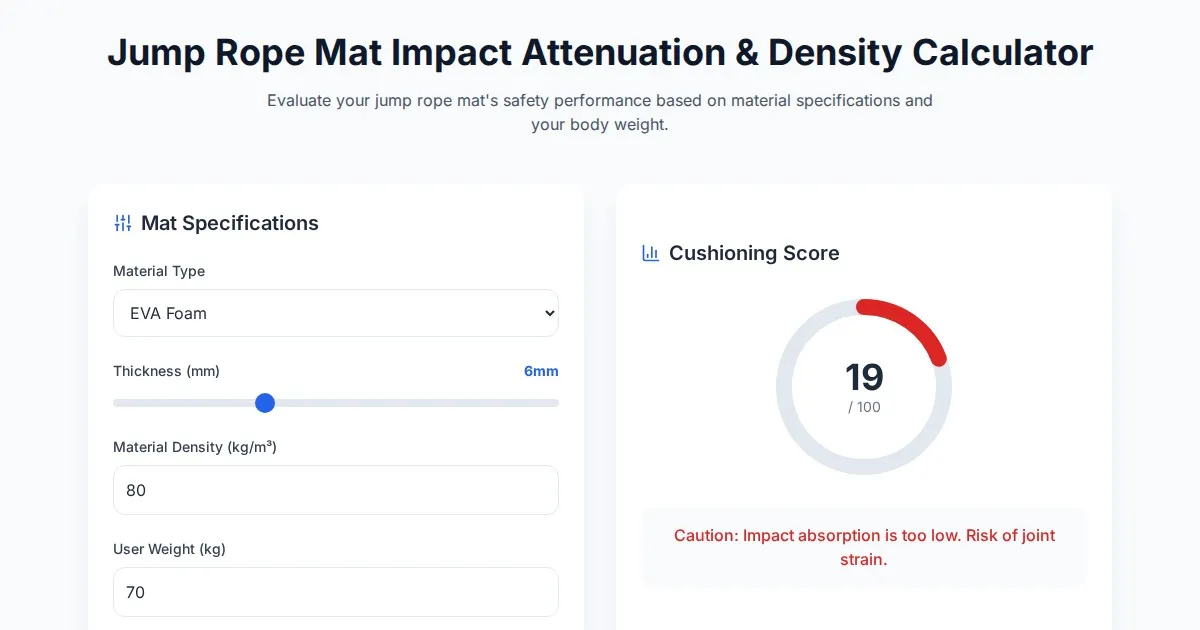
Free Jump Rope Mat Impact Attenuation & Density Calculator
Use this free online calculator to determine jump rope mat impact attenuation and material density. Safely assess if your workout flooring protects your joints.

Free Base64 Image Data URI to File Size Calculator
Accurately calculate the file size of Base64 encoded image data strings. This free, web-based tool helps developers estimate binary file sizes for web apps.
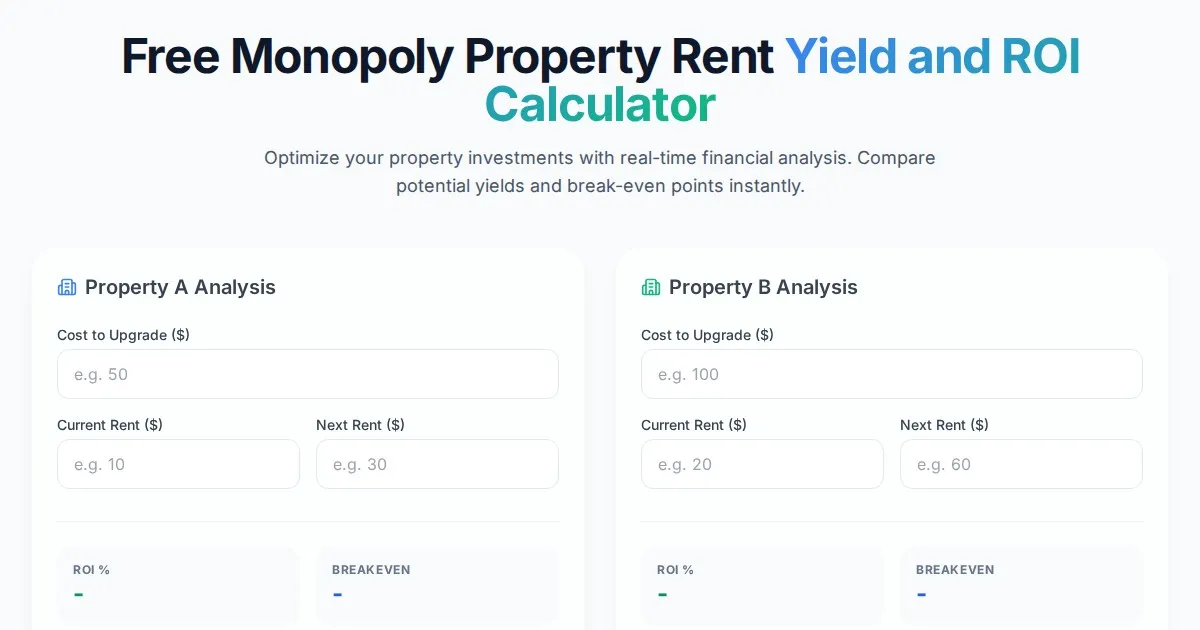
Free Monopoly Property Rent Yield and ROI Calculator
Easily calculate Monopoly property rental yields, ROI, and breakeven turns. Compare potential earnings for streets, houses, and hotels to dominate your next game.
Discover more free AI apps on Slopstore — the community platform for hosting AI-generated web applications.