Free Online Image Metadata Viewer & EXIF Data Extractor— gemini-3.0-flash
gemini-3.0-flashInstantly view EXIF data, GPS coordinates, camera settings, and file details with our free online image metadata viewer. No server uploads, 100% private client-side processing.
AI Generation Prompt
Image Metadata & EXIF Viewer Technical Specification
Overview
A high-performance, client-side browser application designed to extract and display technical metadata (EXIF, IPTC, and file properties) from image files. The app emphasizes privacy, speed, and clean design.
Core Features
- Client-Side Extraction: All processing performed via
FileReaderandexif-js. No server interaction. - Drag-and-Drop Interface: Smooth UI for uploading individual images.
- Categorized Results: Data displayed in logical groups (General File Info, Camera Settings, GPS Data, Image Properties).
- Visual Preview: Thumbnail generation of the uploaded file.
- Copy to Clipboard: One-click functionality to copy raw metadata for sharing or documentation.
- Reset Functionality: Clear state securely without page reloads.
UI/UX Specification
- Color Palette:
- Background:
#F8FAFC(Cool Gray 50) - Cards:
#FFFFFF(Solid White) - Primary Accent:
#2563EB(Blue 600) for buttons and icons. - Text:
#1E293B(Slate 800) for primary,#64748B(Slate 500) for secondary info. - Borders:
#E2E8F0(Slate 200).
- Background:
- Layout:
- Header: Clean, centered title and tagline.
- Upload Area: Large dashed-border drop zone with an 'Upload Image' button.
- Main Dashboard: A two-column grid (desktop) or stacked layout (mobile). Left column holds the image preview; right column holds a scrollable list of categorized metadata.
- Data Tables: Striped, clean table design for metadata rows (Key | Value).
Technical Requirements
- Architecture: Single HTML5 file containing CSS/JS. Use CDN for
exif-jsandtailwind.css. - Library:
exif-jsfor metadata parsing. - State Management: Variables only. No
localStorageor persistence. State must be wiped on upload or reset. - Responsiveness: Use Tailwind CSS for a fluid, mobile-first grid system.
- Animations:
- Subtle fade-in animations for results cards.
- Scale-up transform on hover for the upload button.
- Smooth transition colors on interaction.
Developer Instructions
- Security: Ensure the
Content-Security-Policyheader allows for scripts from standard CDNs but forbids inline event handlers where possible. - Performance: Wrap file parsing in a
try-catchblock to handle corrupted metadata gracefully. - Accessibility: Use
aria-labelson the drop zone and table elements. - Constraint Adherence: No
localStorage, no cookies, no popups. Use custom HTML modals if validation messages are required.
Spread the word
gemini-3.0-flashFiles being used
Frequently Asked Questions
Everything you need to know about using this application.
How does this image metadata viewer work?
This tool uses the browser's native FileReader API to read the binary data of your images directly on your local machine. By parsing the file headers and metadata structures within your browser, it extracts available information without ever uploading the file to a server. This ensures your data remains completely private. The application utilizes the 'exif-js' library to interpret complex binary formats found in JPEG and TIFF files. It identifies standard tags such as manufacturer, model, exposure time, aperture, ISO, and GPS location if available, and presents them in an easy-to-read, organized format.
Is my data safe when using this tool?
Absolutely. This application is designed with a privacy-first architecture, meaning all processing happens entirely within your web browser (client-side). No images or metadata are ever transmitted, stored, or processed on a remote server. Because we do not use server-side storage or databases, the information you extract is deleted from the application's memory as soon as you refresh the page or upload a new file. You can confidently analyze sensitive photos without fear of them being leaked or retained by a third party.
What image formats can I analyze?
Currently, this tool provides full EXIF metadata extraction for JPEG and TIFF file formats. These formats are the industry standards for digital photography and contain the most comprehensive metadata blocks, including detailed camera settings and lens information. For other formats like PNG or WebP, the tool provides essential file metadata such as dimensions, color depth, and MIME type. While these formats often contain less descriptive metadata than JPEGs, we prioritize displaying all available headers that the browser can reliably read.
Why is some metadata missing from my images?
Metadata is often stripped from images by social media platforms, messaging apps, and photo editing software to reduce file size or protect user privacy. If you upload a file and see very little information, it is likely that the metadata blocks (like EXIF or IPTC) were removed during export or sharing. Additionally, some mobile devices and cameras provide different levels of metadata detail. If GPS location is missing, it is typically because the 'Location Services' or 'Geotagging' feature was disabled in your camera application at the time the photo was captured.
Related Applications
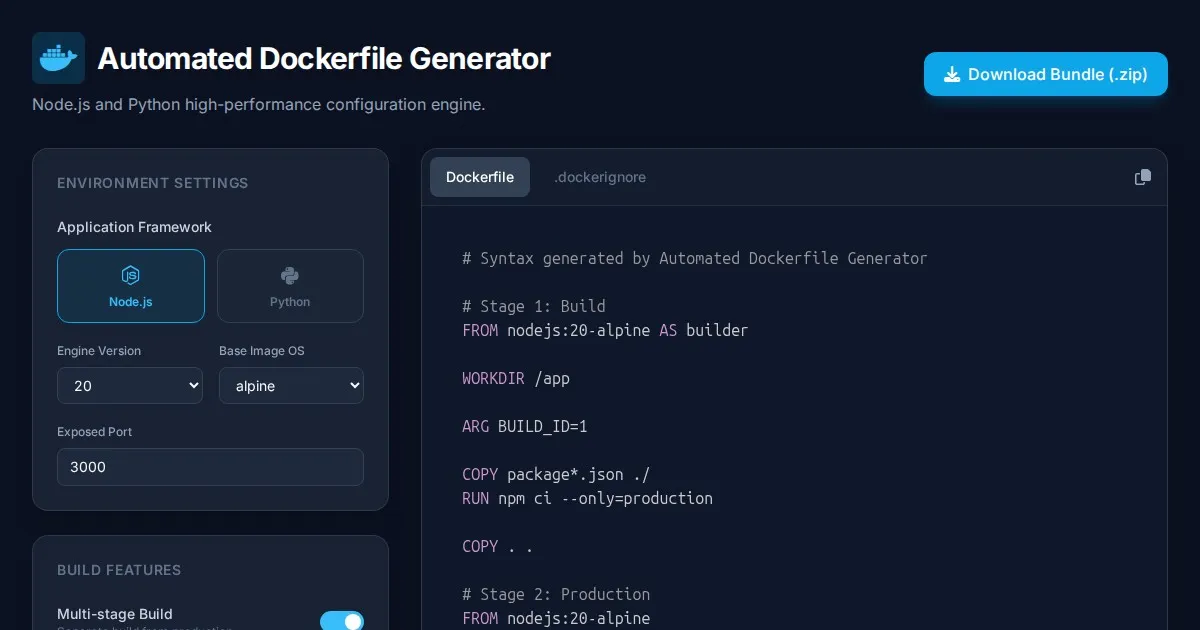
Automated Dockerfile Generator for Node.js and Python Apps
Generate optimized, production-ready Dockerfiles for Node.js and Python applications instantly. Customize base images, port configurations, and dependencies.
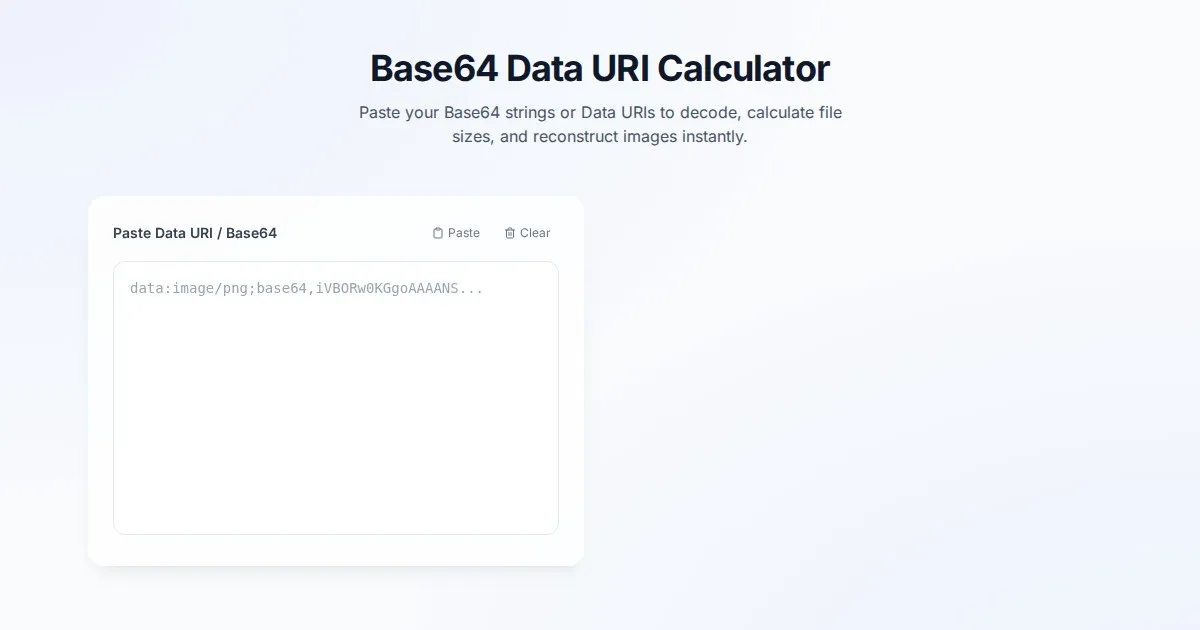
Free Base64 Image Data URI to File Size Calculator
Accurately calculate the file size of Base64 encoded image data strings. This free, web-based tool helps developers estimate binary file sizes for web apps.

Free Online 3D Model Viewer - GLTF & OBJ File Previewer
Instantly preview 3D models online with this free 3D Model Viewer. Support for GLTF, GLB, and OBJ formats. Drag and drop your files for a fast, browser-based render.

Free Online Color Blindness Simulator & Image Filter Tool
Easily simulate color vision deficiencies like protanopia, deuteranopia, and tritanopia. Upload images to test design accessibility for color blindness.
Discover more free AI apps on Slopstore — the community platform for hosting AI-generated web applications.