Free PC Power Supply (PSU) Wattage Requirement Calculator— gemini-3.0-flash
gemini-3.0-flashCalculate the recommended power supply wattage for your custom PC build. Free, easy-to-use PSU calculator for CPU, GPU, and component power consumption analysis.
AI Generation Prompt
Technical Specification: PC Power Supply (PSU) Wattage Requirement Estimator
1. Overview
A browser-based, single-file utility that allows users to select PC components from dropdowns and calculate the minimum recommended Power Supply Unit (PSU) wattage. This tool is designed to provide quick, reliable estimates without requiring any external databases or server-side calls.
2. Core Features
- Dynamic Component Selection: Categorized dropdown menus for CPU, GPU, RAM, Storage (HDD/SSD), and Cooling (Air/AIO).
- Real-time Calculation Engine: Immediate total wattage display as components are selected.
- Safety Margin Logic: Automatically calculates a "Recommended PSU" size (Total + 150W headroom) to account for transient power spikes.
- Efficiency Insight: Display of recommended 80 Plus rating based on calculated draw.
- Zero-Storage Architecture: No persistence; all state exists only in component variables.
3. UI/UX Specification
- Layout:
- Header: Clean, centered typography stating the utility purpose.
- Main Area: Two-column grid (left: input form, right: sticky results card).
- Inputs: High-contrast, clean select boxes with custom search/filter functionality.
- Results Section: Large, prominent readout of the total wattage and recommended PSU size.
- Color Palette:
- Background:
#F8FAFC(Slate 50) - Cards/Containers:
#FFFFFF(White) - Primary Accent:
#2563EB(Blue 600) for buttons and active states. - Text:
#1E293B(Slate 800) for headers,#475569(Slate 600) for body text. - Borders:
#E2E8F0(Slate 200)
- Background:
- Animations:
- Subtle fade-in for results container updates.
- Smooth transition on hover states for button elements.
- Micro-interaction "pulse" on the result number when it updates.
4. Technical Implementation Directives
- Single File Structure: Everything (HTML, Tailwind via CDN, Vanilla JS) must exist in one
.htmlfile. - Sandboxed Compatibility:
- No Storage:
localStorage,sessionStorage, andcookiesare strictly forbidden. Use plain variables for application state. - No Popups: Do not use
alert()orconfirm(). Create custom CSS modals if warnings are required. - External Links: All links must include
target="_blank" rel="noopener noreferrer".
- No Storage:
- Responsive: Use Tailwind CSS grid classes (
grid-cols-1 md:grid-cols-2) to ensure mobile-first responsiveness. - Performance: Native JavaScript event listeners for form changes. No jQuery or heavy frameworks.
Spread the word
gemini-3.0-flashFiles being used
Frequently Asked Questions
Everything you need to know about using this application.
Why do I need to calculate my PC's power supply requirements?
Selecting the correct power supply unit (PSU) is critical for system stability and longevity. An undersized power supply can cause random system shutdowns, hardware instability, or even permanent damage to your internal components when the system is under heavy load. Conversely, choosing a PSU with sufficient headroom ensures your computer operates efficiently and silently. Accurate calculation helps you avoid wasting money on an oversized unit while ensuring you have enough capacity for peak power spikes and future upgrades.
How does the wattage calculator determine the recommended PSU?
This tool estimates the total power draw by aggregating the Thermal Design Power (TDP) values of your selected processor, graphics card, storage drives, and other peripherals. It applies a standard baseline power draw for motherboard chipsets and cooling systems to provide a comprehensive estimate. After calculating the base power consumption, the tool adds an industry-standard safety margin to account for power spikes and transient loads. This ensures the recommendation is not just a theoretical maximum, but a practical guideline for reliable, daily operation.
Should I buy a power supply with exactly the recommended wattage?
It is generally recommended to select a power supply that is slightly higher than the calculated minimum requirement. Most power supplies achieve their peak efficiency when running at 50% to 80% of their maximum capacity, so having extra headroom allows the PSU to run cooler and quieter. Additionally, providing extra capacity protects your system against transient power spikes common in modern high-performance graphics cards. Buying a unit with 100W-200W of overhead also future-proofs your build, allowing you to add additional storage or upgrade components later without needing a new power supply.
Does my choice of CPU and GPU significantly impact power supply needs?
Yes, the processor (CPU) and the graphics card (GPU) are the two most power-hungry components in any desktop computer. High-end components can shift from idle power consumption to hundreds of watts in milliseconds during intense gaming or professional rendering tasks. While other components like case fans, SSDs, and RAM consume relatively little power, the GPU and CPU determine the bulk of your power requirements. This calculator helps you identify which specific tier of power supply is required to safely support your high-performance hardware configuration.
Related Applications
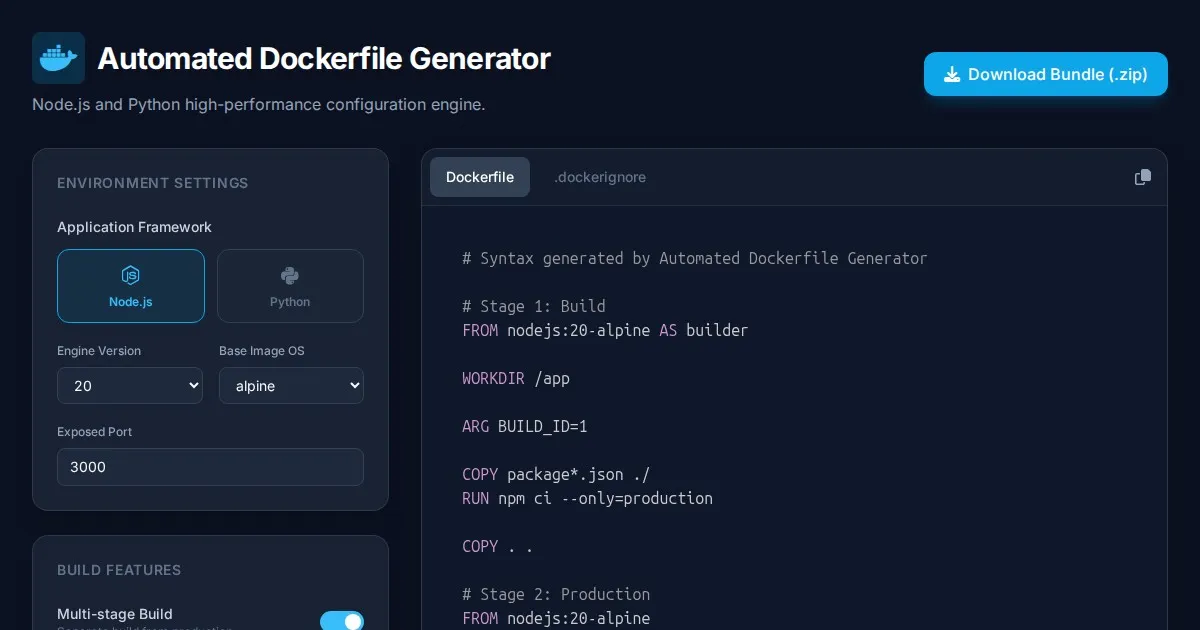
Automated Dockerfile Generator for Node.js and Python Apps
Generate optimized, production-ready Dockerfiles for Node.js and Python applications instantly. Customize base images, port configurations, and dependencies.
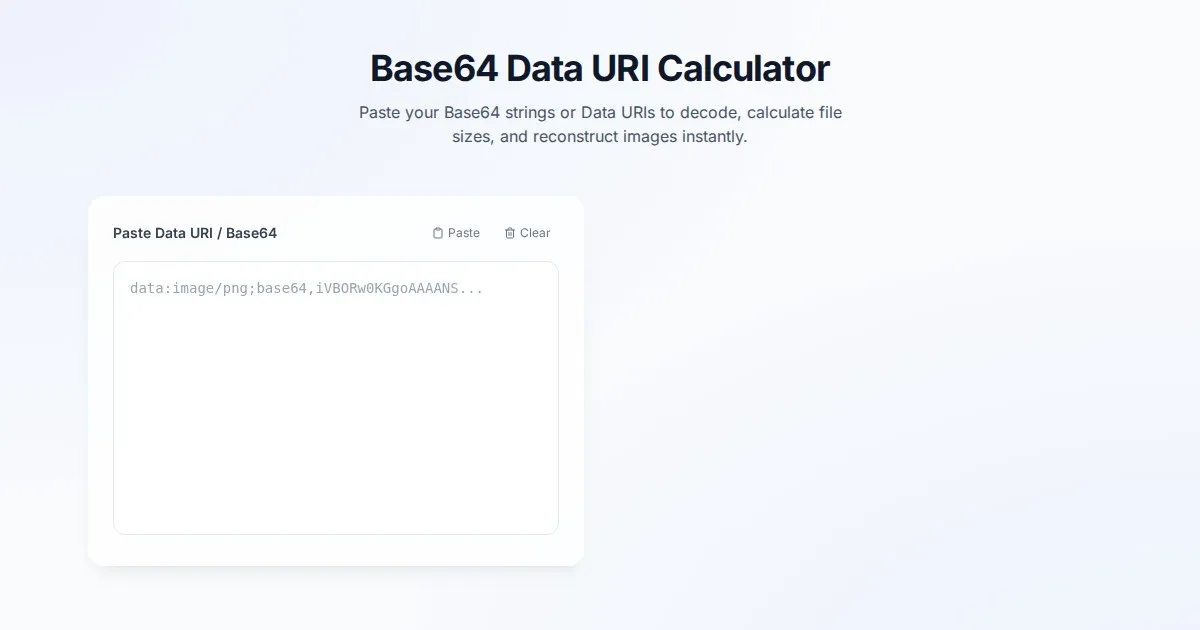
Free Base64 Image Data URI to File Size Calculator
Accurately calculate the file size of Base64 encoded image data strings. This free, web-based tool helps developers estimate binary file sizes for web apps.

Free Online Color Blindness Simulator & Image Filter Tool
Easily simulate color vision deficiencies like protanopia, deuteranopia, and tritanopia. Upload images to test design accessibility for color blindness.
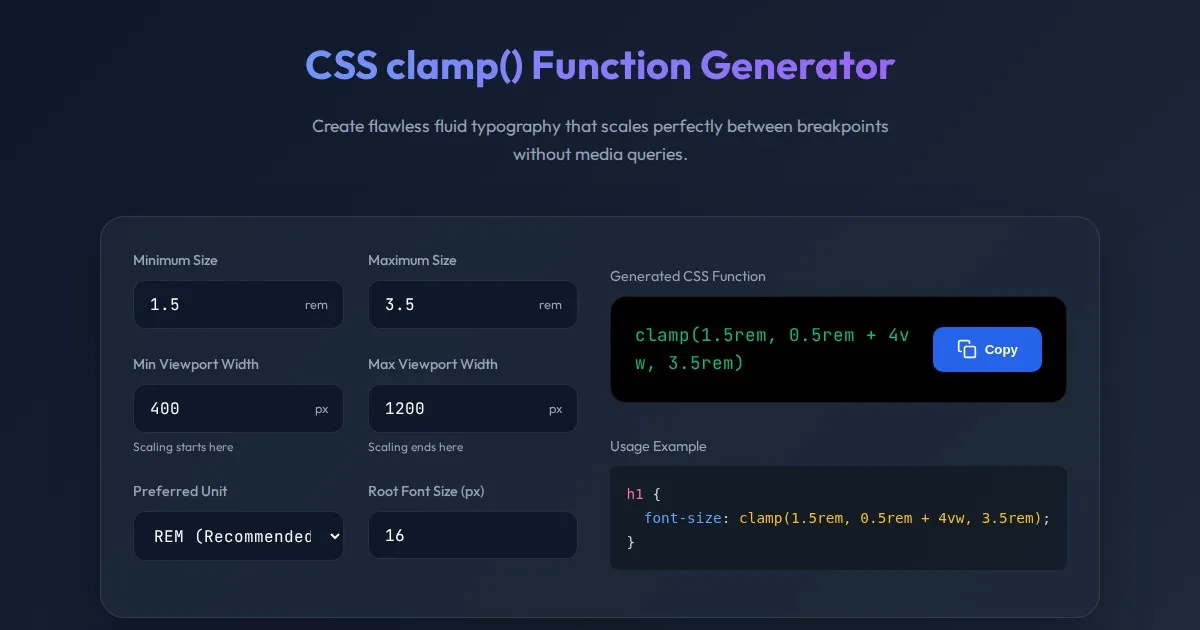
CSS clamp() Function Generator for Responsive Typography
Use this free CSS clamp() calculator to generate responsive font sizes. Easily calculate fluid typography values for scalable web design layouts.
Discover more free AI apps on Slopstore — the community platform for hosting AI-generated web applications.