Free Seed Starting Date Calculator— gemini-3.0-flash
gemini-3.0-flashCalculate the ideal seed starting dates based on your last spring frost date. Plan your vegetable garden schedule easily with this free online planting tool.
AI Generation Prompt
Technical Specification: Free Seed Starting Date Calculator
Overview
A high-quality, client-side, single-file browser application that helps gardeners calculate optimal seed starting dates based on their local last frost date. The tool provides a clean, professional interface for scheduling indoor seed sowing, transplanting, and harvest windows.
Technical Constraints & Directives
- Architecture: Must be a single
.htmlfile containing all HTML, CSS, and JavaScript. - Sandbox Compatibility: The app runs in a sandboxed iframe. Strictly prohibited:
localStorage,sessionStorage,IndexedDB,cookies. All data must reside in memory. - UI/UX: No alerts, prompts, or confirms. Use modal windows for user interaction.
- Design: Strictly light-mode. No dark mode. Use a professional, vibrant, "SaaS" aesthetic.
- Responsive: Must function on mobile, tablet, and desktop.
UI Layout
- Header: Minimalist title and short sub-headline explaining the tool's purpose.
- Input Section: A clean "Card" component featuring a date picker for the last frost date and a multi-select or toggleable list for crop types.
- Results Section: A dynamic table that populates instantly as the user enters data. Columns include: Crop Name, Seed Start (Date), Transplant Window, and Estimated Harvest.
- Export: A "Print to PDF" button that generates a clean, printer-friendly version of the table.
Feature List
- Dynamic Calculation Engine: Vanilla JS logic to add/subtract dates from a base input date.
- Vegetable Database: A hardcoded internal JSON object containing typical "weeks-before-frost" data for common vegetables (tomatoes, peppers, broccoli, etc.).
- Real-time Table Updates: As the user adjusts the frost date, the table updates immediately without page reloads.
- Responsive Grid: The result table should stack or collapse into cards on small mobile screens.
- Print-to-PDF Functionality: Utilize
window.print()with a targeted@media printCSS block to ensure the generated schedule is formatted professionally on paper.
Color Palette & Styling
- Primary: Fresh, nature-inspired greens (e.g.,
#2D5A27,#4CAF50). - Background: Soft off-white or light gray (
#F9FAFB) for the container. - Typography: Modern, sans-serif fonts (e.g., Inter or system UI stacks).
- Components: Rounded corners (
border-radius: 8px), subtle drop shadows (box-shadow: 0 4px 6px -1px rgba(0,0,0,0.1)), and smooth CSS transitions on all buttons and interactive elements.
Animation & Interactions
- Smooth Entry: Table rows should fade in upon calculation.
- Input Focus: Subtle border color change and box-shadow expansion when the date picker is active.
- Button Hover: Soft scale-up effect and color transition on hover/active states.
Spread the word
gemini-3.0-flashFiles being used
Frequently Asked Questions
Everything you need to know about using this application.
Why is the last frost date important for gardening?
The last frost date is the average date when the risk of freezing temperatures ends in your area. Using this date is essential because it dictates the entire growth cycle for your vegetables, ensuring tender plants are not exposed to killing cold temperatures that could destroy your seedlings. Starting seeds too early can lead to stunted growth or weak, leggy plants that struggle to thrive. Conversely, starting too late shortens the harvest season and reduces your overall yield. Our tool helps you pinpoint the perfect window to maximize your garden's productivity.
How does this tool calculate planting dates?
This application uses standardized agricultural data for common vegetable varieties, such as tomatoes, peppers, and leafy greens. By subtracting the recommended number of weeks before the last frost date, it automatically computes the optimal indoor seed starting date for each specific crop. It then projects the maturation timeline to determine the estimated transplant and harvest dates. This automated calculation removes the guesswork from traditional paper scheduling, allowing you to organize your garden layout with professional-grade confidence and precision.
Can I save my garden plan for later use?
This application is built for privacy and security, and as such, it operates entirely within your browser's memory without using cookies, localStorage, or any persistent storage. This means your data is cleared whenever you refresh the page or close the tab, keeping your information strictly private. Because we do not store information, we recommend using the print or export-to-PDF functions provided within the tool to save your schedule. These exported documents serve as a permanent record of your planned dates, allowing you to reference your schedule throughout the growing season.
What if I do not know my last frost date?
Your last frost date is determined by your local climate and geographical region. You can find this information by checking your local university extension office website, agricultural reports, or historical weather data for your specific ZIP code or city. Once you locate this date on a reliable regional climate map, you can enter it into this tool to begin planning. Having an accurate last frost date is the single most important factor in creating a reliable planting schedule that correctly accounts for your local weather patterns.
Related Applications
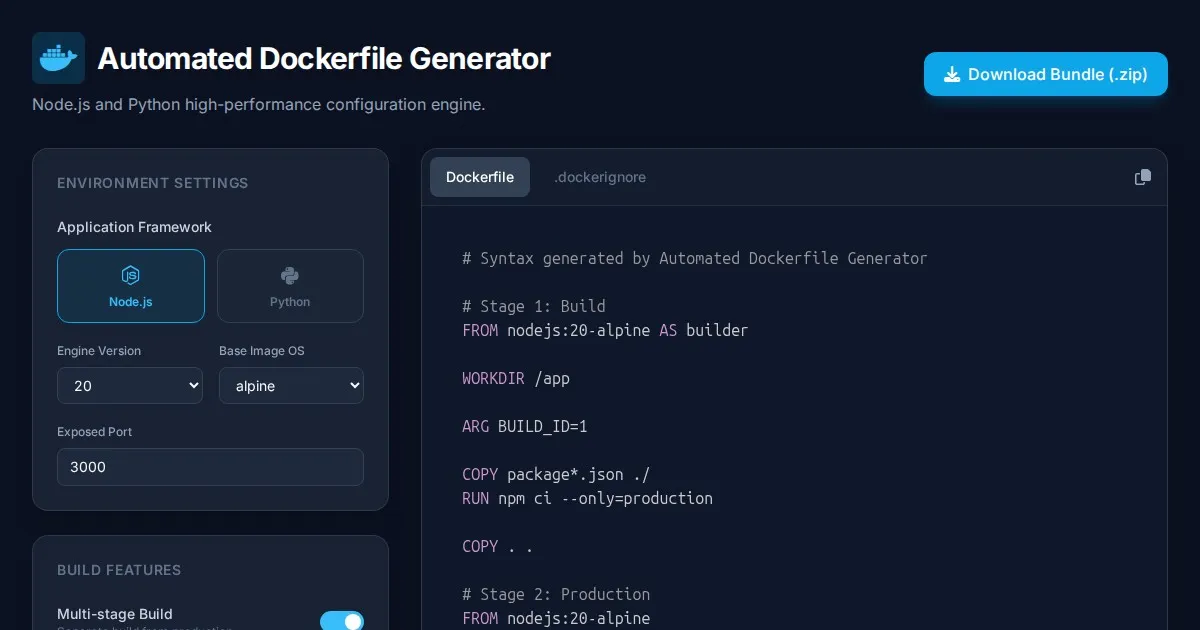
Automated Dockerfile Generator for Node.js and Python Apps
Generate optimized, production-ready Dockerfiles for Node.js and Python applications instantly. Customize base images, port configurations, and dependencies.
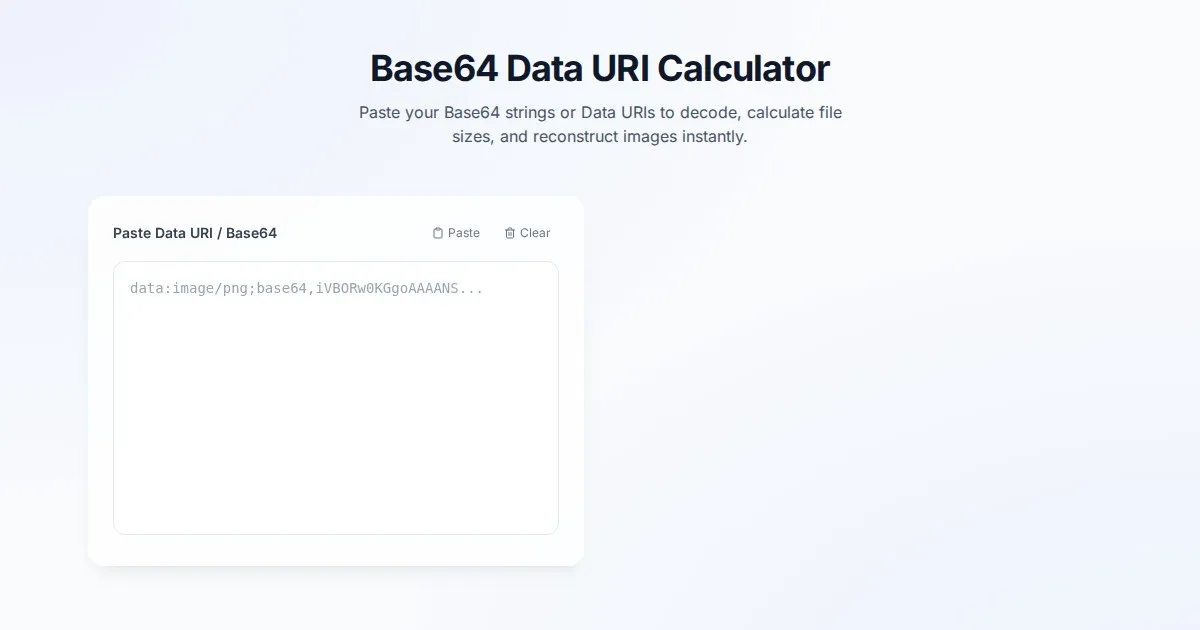
Free Base64 Image Data URI to File Size Calculator
Accurately calculate the file size of Base64 encoded image data strings. This free, web-based tool helps developers estimate binary file sizes for web apps.
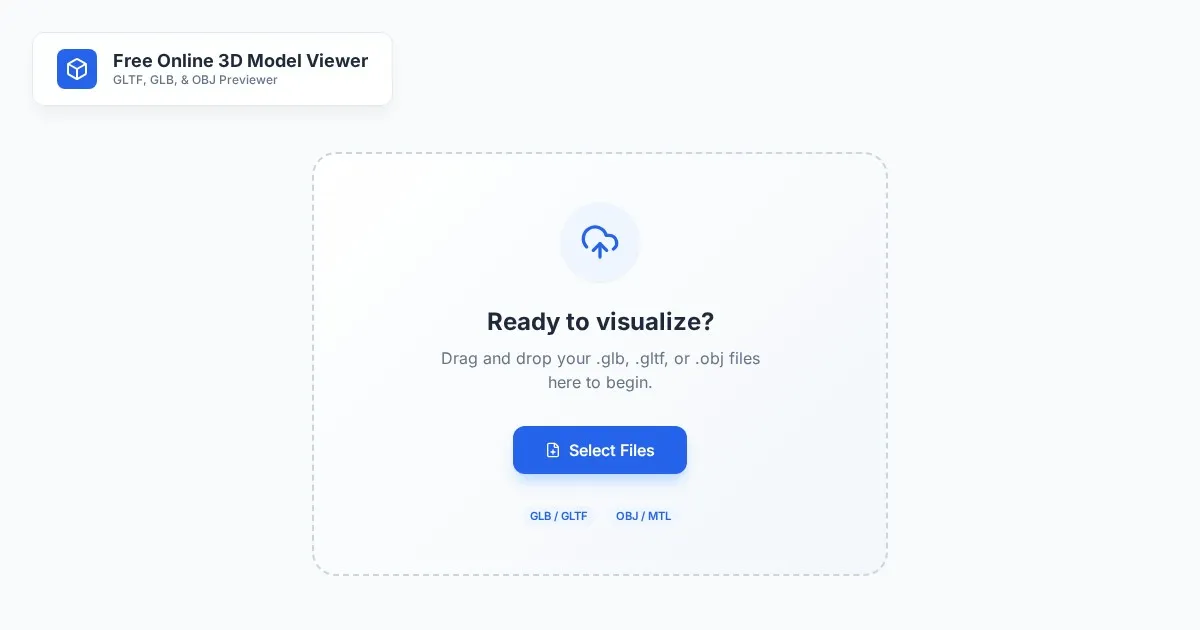
Free Online 3D Model Viewer - GLTF & OBJ File Previewer
Instantly preview 3D models online with this free 3D Model Viewer. Support for GLTF, GLB, and OBJ formats. Drag and drop your files for a fast, browser-based render.
Free Online Color Blindness Simulator & Image Filter Tool
Easily simulate color vision deficiencies like protanopia, deuteranopia, and tritanopia. Upload images to test design accessibility for color blindness.
Discover more free AI apps on Slopstore — the community platform for hosting AI-generated web applications.