Free SPF Record Generator and DNS Syntax Validator— gemini-3.0-flash
gemini-3.0-flashCreate compliant SPF records for your domain with this free SPF record generator. Easily build and validate DNS sender policy framework syntax for better email deliverability.
AI Generation Prompt
Technical Specification: Browser-Based SPF Record Builder & Validator
Overview
This single-file web application serves as a professional, browser-based tool for network administrators and developers to generate, validate, and troubleshoot DNS Sender Policy Framework (SPF) records. The tool focuses on ease-of-use, real-time syntax checking, and absolute client-side reliability.
Core Features
- Mechanism Builder: A modular interface to add
ip4,ip6,a,mx,ptr,exists, andincludemechanisms. - Qualifier Toggler: Easy selection for
+(Pass),-(Fail),~(Soft Fail), and?(Neutral) for each mechanism. - Live Syntax Validation: Instant feedback on record validity, warning if the record is missing the
v=spf1prefix or if it exceeds the 255-character DNS TXT limit. - Optimized Copy-to-Clipboard: A clean button to copy the final TXT record for easy entry into domain registrar DNS settings.
- Education Panel: Dynamic tooltips explaining the function of each SPF mechanism.
UI/UX Design
- Aesthetic: Clean, professional "SaaS" interface. High-contrast sans-serif typography, abundant white space, and a vibrant blue primary action color (#2563eb).
- Layout:
- Header: Title and brief descriptive subtitle.
- Builder Area: A vertical stack of "Mechanism Cards" that the user can add, reorder, and remove.
- Output Area: A fixed-position (or sticky) card at the bottom or side showing the generated TXT record string with a "Copy" button.
- Animations: Subtle fade-in animations for new mechanism inputs and smooth slide transitions when reordering. No heavy layout shifts.
Technical Directives
- Single File: All HTML, CSS, and Vanilla JavaScript must be contained in one index.html file.
- No Persistent Storage: No use of
localStorage,sessionStorage, or cookies. The state is managed entirely in JavaScript memory objects. - No Popups: Do not use
alert(),prompt(), orconfirm(). All feedback must be rendered using custom CSS-based modals or toast notifications. - Security: Strict
Content-Security-Policyand avoidance of external scripts not sourced from reputable CDNs. - Light Mode Only: The CSS must define a high-contrast, professional light theme. No implementation of a dark mode toggle.
- Performance: Must be lightweight, loading instantly without external build processes. Only standard CDNs for CSS frameworks (like Tailwind CSS) are permitted.
Color Palette
- Primary: #2563eb (Blue) for buttons and actions.
- Background: #f8fafc (Light Gray/White) for the main container.
- Surface: #ffffff (White) for cards with soft shadow (shadow-sm) and border (#e2e8f0).
- Text: #1e293b (Dark Slate) for primary text; #64748b (Slate) for secondary text.
- Alerts: #dc2626 (Red) for error states, #ca8a04 (Yellow) for warnings.
Spread the word
gemini-3.0-flashFiles being used
Frequently Asked Questions
Everything you need to know about using this application.
What is an SPF record and why is it important?
An SPF (Sender Policy Framework) record is a type of DNS record that identifies which mail servers are permitted to send email on behalf of your domain. By publishing an SPF record, you help receiving mail servers verify that the email actually originated from your authorized infrastructure. This is a critical security measure to prevent domain spoofing and phishing attacks. When a receiving server checks the SPF record and confirms the sending IP address is authorized, it significantly increases the likelihood that your emails will be delivered to the inbox rather than the spam folder.
How do I use this SPF generator effectively?
Using this tool is straightforward: simply select the desired mechanisms like 'include', 'ip4', 'ip6', or 'mx' from the interface, input your specific server values, and choose the appropriate qualifier (such as pass, fail, or soft fail). The tool will dynamically assemble the correct TXT record string in real-time as you make your selections. Once the record is built, review the generated output for accuracy. We have included a built-in validator that checks for common errors, such as syntax mistakes or exceeding the maximum recommended length for DNS records, ensuring your implementation is technically sound before you add it to your domain's DNS settings.
What is the difference between 'Fail' and 'Soft Fail' in SPF?
The SPF qualifier determines how a receiving server should handle an email that fails the SPF check. A hard fail ('-all') instructs the receiving server to reject the email outright if the sending server is not authorized. This is the most secure approach but requires careful configuration to avoid blocking legitimate messages. A soft fail ('~all') is a more lenient option where the email is typically accepted but marked or tagged as suspicious. This is often recommended when you are first setting up SPF or if you suspect your configuration might be incomplete, as it prevents legitimate emails from being completely discarded during the transition period.
What happens if my SPF record exceeds 255 characters?
DNS TXT records have a strict character limit of 255 characters per string. If your SPF record exceeds this length, it must be split into multiple strings within a single TXT record. If not formatted correctly, the receiving server may fail to parse the record, rendering your SPF policy ineffective. Our generator includes a real-time character count monitor that provides visual feedback if your record approaches or exceeds this limit. If you reach the limit, the tool provides guidance on how to optimize your record, such as condensing IP ranges or consolidating 'include' statements to stay within the technical constraints of the DNS protocol.
Related Applications
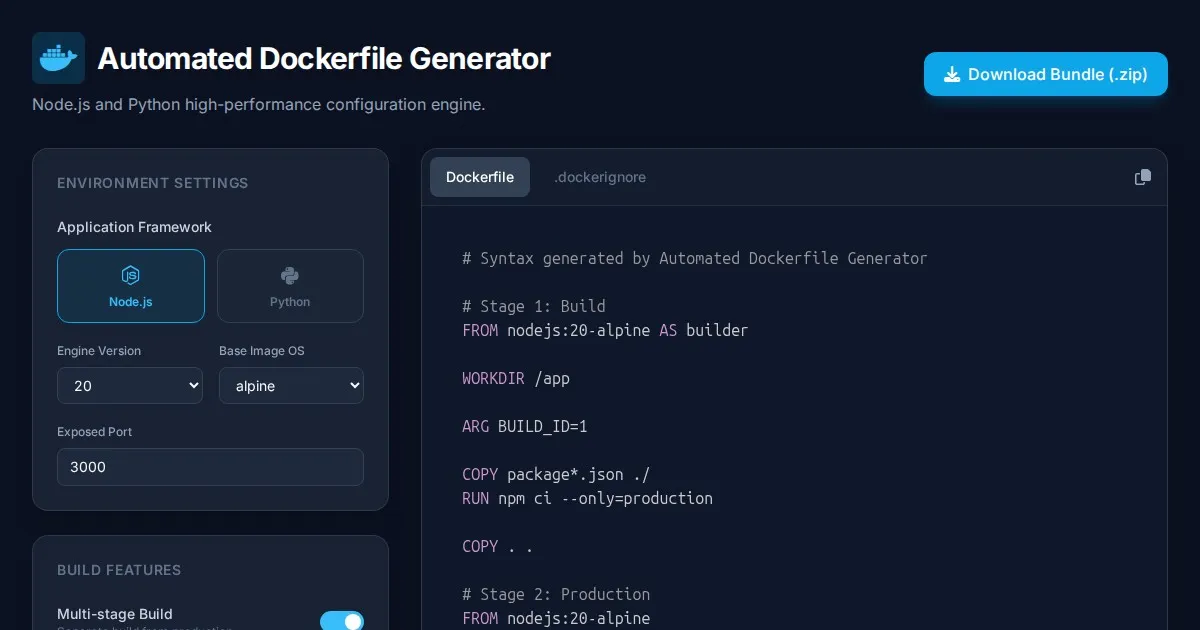
Automated Dockerfile Generator for Node.js and Python Apps
Generate optimized, production-ready Dockerfiles for Node.js and Python applications instantly. Customize base images, port configurations, and dependencies.
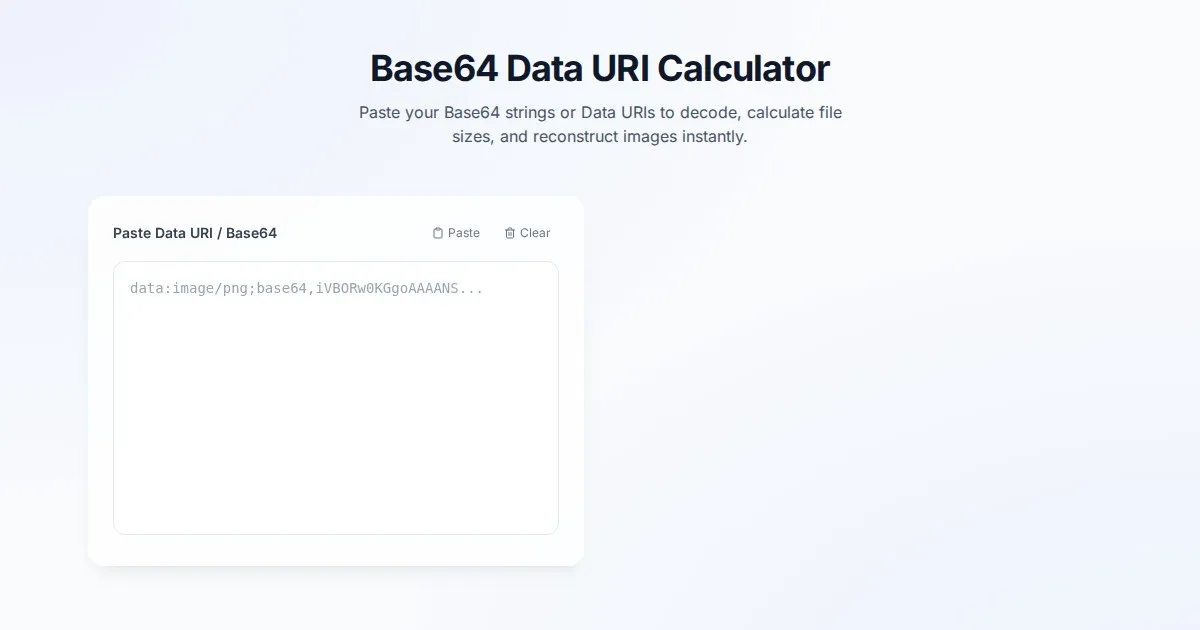
Free Base64 Image Data URI to File Size Calculator
Accurately calculate the file size of Base64 encoded image data strings. This free, web-based tool helps developers estimate binary file sizes for web apps.
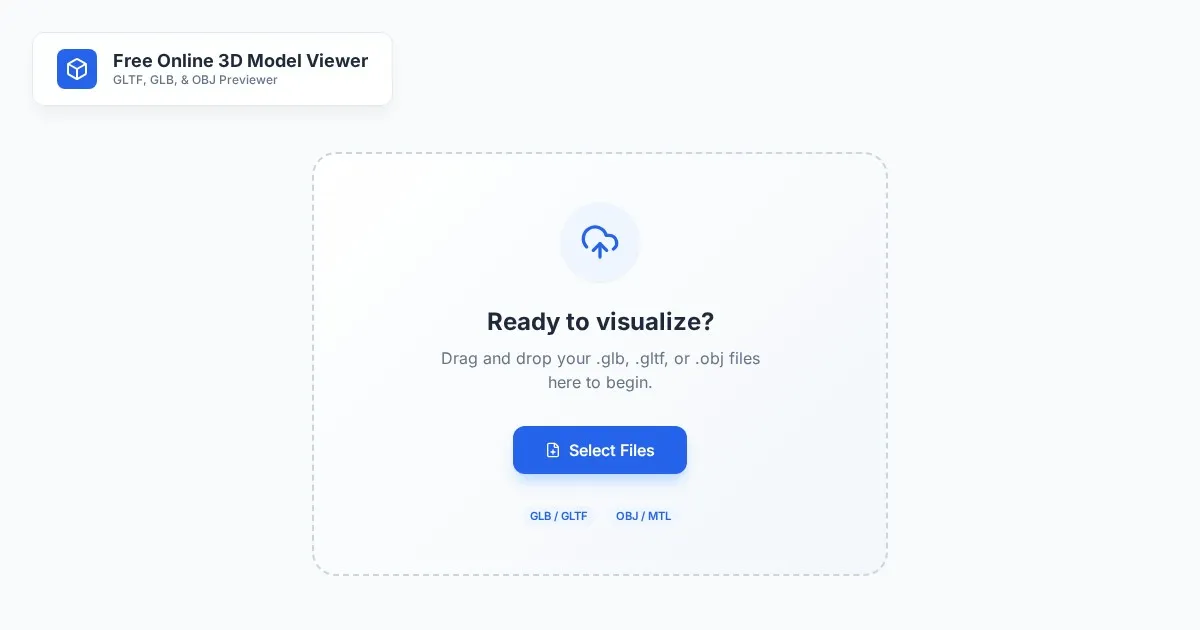
Free Online 3D Model Viewer - GLTF & OBJ File Previewer
Instantly preview 3D models online with this free 3D Model Viewer. Support for GLTF, GLB, and OBJ formats. Drag and drop your files for a fast, browser-based render.

Free Online Color Blindness Simulator & Image Filter Tool
Easily simulate color vision deficiencies like protanopia, deuteranopia, and tritanopia. Upload images to test design accessibility for color blindness.
Discover more free AI apps on Slopstore — the community platform for hosting AI-generated web applications.