Free Studio Lighting High Key vs Low Key Exposure Visualizer— gemini-3.0-flash
gemini-3.0-flashA free, interactive studio lighting exposure simulator. Learn high key vs low key lighting techniques, visualize luminance zones, and master photography exposure.
AI Generation Prompt
Studio Lighting Exposure Zone Visualizer
Overview
This single-file application is an interactive educational tool designed to help photographers understand the relationship between studio lighting styles (High Key vs. Low Key) and exposure metrics. Users can manipulate lighting intensity and exposure compensation in real-time, observing the impact on a dynamic histogram and a luminance-mapped false-color view of a 3D-rendered subject.
Technical Implementation Constraints
- Single File: The entire application (HTML, CSS, JS) must be contained within one HTML file.
- Storage: Absolutely NO use of
localStorage,sessionStorage, or cookies. The state is purely in-memory and resets on refresh. - Environment: Must run perfectly inside a sandboxed iframe. Use
window.requestAnimationFramefor smooth updates. - Aesthetic: Strictly light-mode design. Use high-contrast, clean typography (e.g., Inter or system sans-serif) and a professional color palette (whites, light grays, soft blues).
UI Layout
1. Header
- Simple, clean navigation title describing the tool.
- A brief "How-to" toggle to explain the zone mapping overlays.
2. Main Workspace
- Left Pane (Viewer): A canvas element rendering a high-quality 3D-shaded subject. Support for two display modes: 'Standard Render' and 'Zone Map Overlay' (false-color visualization of brightness levels 0-10).
- Right Pane (Controls):
- Lighting Preset Selector: Buttons for "High Key" (resets sliders to bright settings) and "Low Key" (resets to dark settings).
- Sliders:
- Key Light Intensity (0-100%)
- Exposure Compensation (-2 to +2 EV)
- Contrast Ratio (1:1 to 1:16)
- Live Histogram: A real-time SVG or Canvas path that updates as sliders move, showing the luminosity distribution of the current frame.
Color Palette
- Primary Surface:
#FFFFFF(White) - Secondary Surface:
#F8F9FA(Soft Gray) - Text:
#212529(Dark Slate) - Accent/Histogram:
#4A90E2(Soft Professional Blue) - Shadows: Soft diffuse drops shadows (e.g.,
0 4px 6px rgba(0,0,0,0.1)) to maintain a SaaS look.
Interactions & Animations
- Smooth Transitions: All slider adjustments must trigger a redraw of the canvas and histogram with a transition duration of ~150ms to prevent visual flickering.
- Responsive Design:
- Desktop: Side-by-side Layout.
- Mobile: Stacked layout (Viewer on top, Controls on bottom).
- Micro-interactions: Subtle hover states on buttons and active state indicators on the current mode.
Feature Set
- Real-time Histogram: Visual representation of pixel luminosity distribution.
- Zone False-Color Map: A toggleable view that highlights regions of the subject based on their Zone System value (e.g., Zone 0 = Black, Zone 10 = White).
- Exposure Indicator: Displays the current EV value in real-time.
- Educational Tooltips: Interactive "i" icons next to control labels that, when clicked, explain the concept (e.g., 'What is a 1:16 contrast ratio?').
Spread the word
gemini-3.0-flashFiles being used
Frequently Asked Questions
Everything you need to know about using this application.
What is high key lighting?
High key lighting is a style of photography that uses bright, even lighting to reduce shadows and create a light, airy mood. It is frequently used in fashion, beauty, and portrait photography to emphasize a clean, cheerful, or optimistic aesthetic. By filling the frame with bright light and minimizing contrast, high key images appear predominantly in the upper tones of the histogram. This technique requires careful management of exposure to avoid washing out details while maintaining a soft, high-intensity look across the subject.
What is low key lighting?
Low key lighting focuses on shadows, contrast, and dramatic depth by utilizing a limited amount of light. It relies on deep blacks and midtones, often leaving large portions of the frame in darkness to create mystery, intensity, or moodiness in portraits and art photography. When creating low key images, the photographer must ensure that the exposure is intentionally controlled to keep the histogram bunched on the left side. Mastering this technique allows for a more cinematic feel, where selective lighting highlights specific features while obscuring the background.
How does the Zone System apply to digital photography?
The Zone System, originally developed by Ansel Adams, provides a framework for understanding luminance values from absolute black (Zone 0) to pure white (Zone 10). In digital photography, this system helps visualize how different parts of a scene translate to the histogram. By mapping these zones to your digital exposure, you can ensure that skin tones, highlights, and shadows fall within the correct exposure range. This interactive visualizer simulates these zones so users can intuitively grasp how lighting setups influence the final digital output.
Why is this tool useful for beginners?
This tool provides a risk-free, cost-effective way to practice lighting concepts without needing a studio, expensive cameras, or studio lighting equipment. Beginners can instantly adjust variables like exposure, lighting ratios, and key light intensity to see real-time changes. By offering immediate visual feedback through histograms and false-color overlays, the tool accelerates the learning process. It bridges the gap between theoretical photography knowledge and practical application, helping students develop an eye for light before they ever step onto a set.
Related Applications

Free Base64 Image Data URI to File Size Calculator
Accurately calculate the file size of Base64 encoded image data strings. This free, web-based tool helps developers estimate binary file sizes for web apps.
Free Online 3D Model Viewer - GLTF & OBJ File Previewer
Instantly preview 3D models online with this free 3D Model Viewer. Support for GLTF, GLB, and OBJ formats. Drag and drop your files for a fast, browser-based render.

Free Online Color Blindness Simulator & Image Filter Tool
Easily simulate color vision deficiencies like protanopia, deuteranopia, and tritanopia. Upload images to test design accessibility for color blindness.
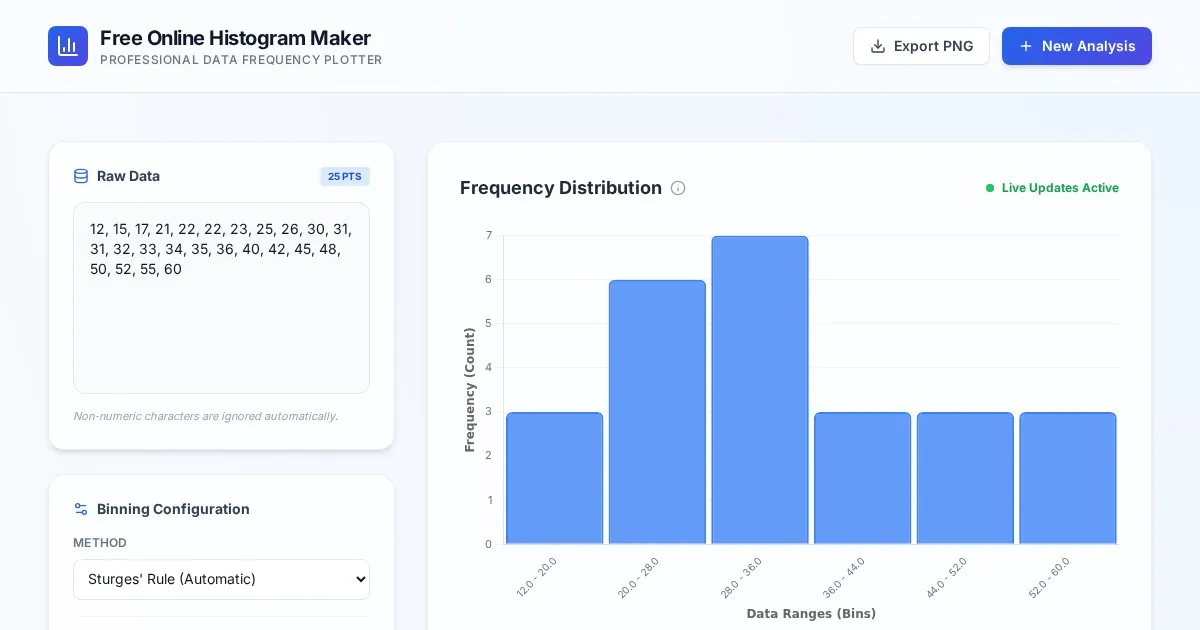
Free Online Histogram Maker & Data Frequency Plotter
Easily create professional histograms from your numeric data. Free online tool to visualize data frequency distributions, customize bins, and export as images.
Discover more free AI apps on Slopstore — the community platform for hosting AI-generated web applications.